
Kings
Roasted Pumpkin Seeds
What it is
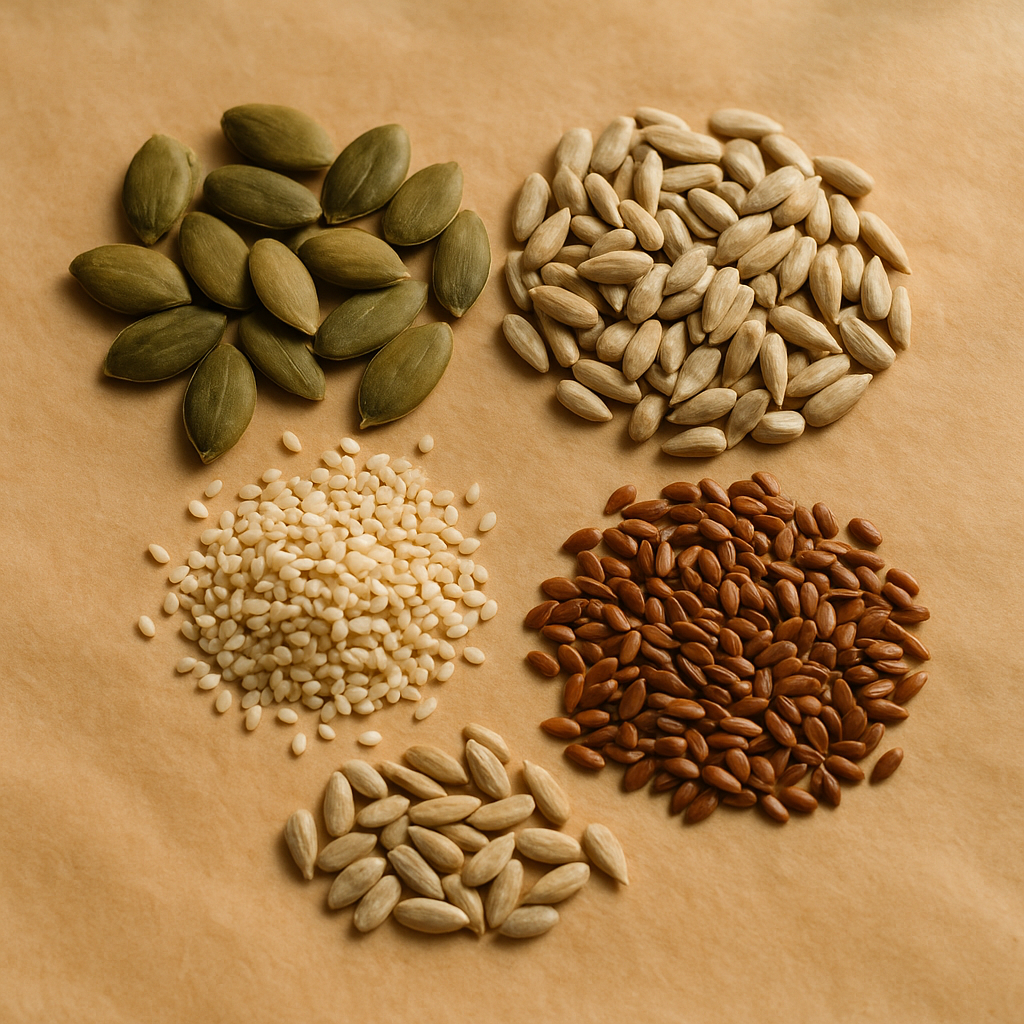
These are the edible seeds found inside a pumpkin. They are typically oval-shaped and have a slightly chewy texture. Often roasted, they develop a satisfying crunch and a nutty flavor. The seeds are enclosed in a thin, sometimes slightly tough, outer shell. They are a common snack and ingredient in various cuisines, valued for their taste and texture.
How people cook with it
Pumpkin seeds are versatile in the kitchen, adding flavor and texture to both sweet and savory dishes.
- Toasted as a snack
- Added to salads
- Mixed into baked goods
- Blended into sauces
To prepare pumpkin seeds for cooking, first separate them from the pumpkin pulp. Rinse them thoroughly to remove any remaining stringy bits. Pat them completely dry with a clean towel. For roasting, toss them with a little oil and your preferred seasonings, such as salt, pepper, or spices. Spread them in a single layer on a baking sheet. Roast in a preheated oven until golden brown and crisp, turning them occasionally to ensure even cooking. They can also be added directly to dishes without pre-roasting, where they will cook alongside other ingredients.
How it differs from similar foods
Compared to sunflower seeds, pumpkin seeds have a more robust, earthy flavor and a slightly firmer bite. Their shape is also distinct, being more elongated and flatter than the teardrop shape of sunflower seeds. The texture when roasted is generally less brittle and more satisfyingly chewy.
Who it is for
Home cooks and snack enthusiasts enjoy preparing and consuming pumpkin seeds.
How to keep the rest
Store any leftover roasted pumpkin seeds in an airtight container at room temperature. For longer storage, they can be kept in the refrigerator to maintain their crispness. Ensure they are completely cooled before sealing the container to prevent condensation, which can make them soggy.