
Grocery
Prune Juice
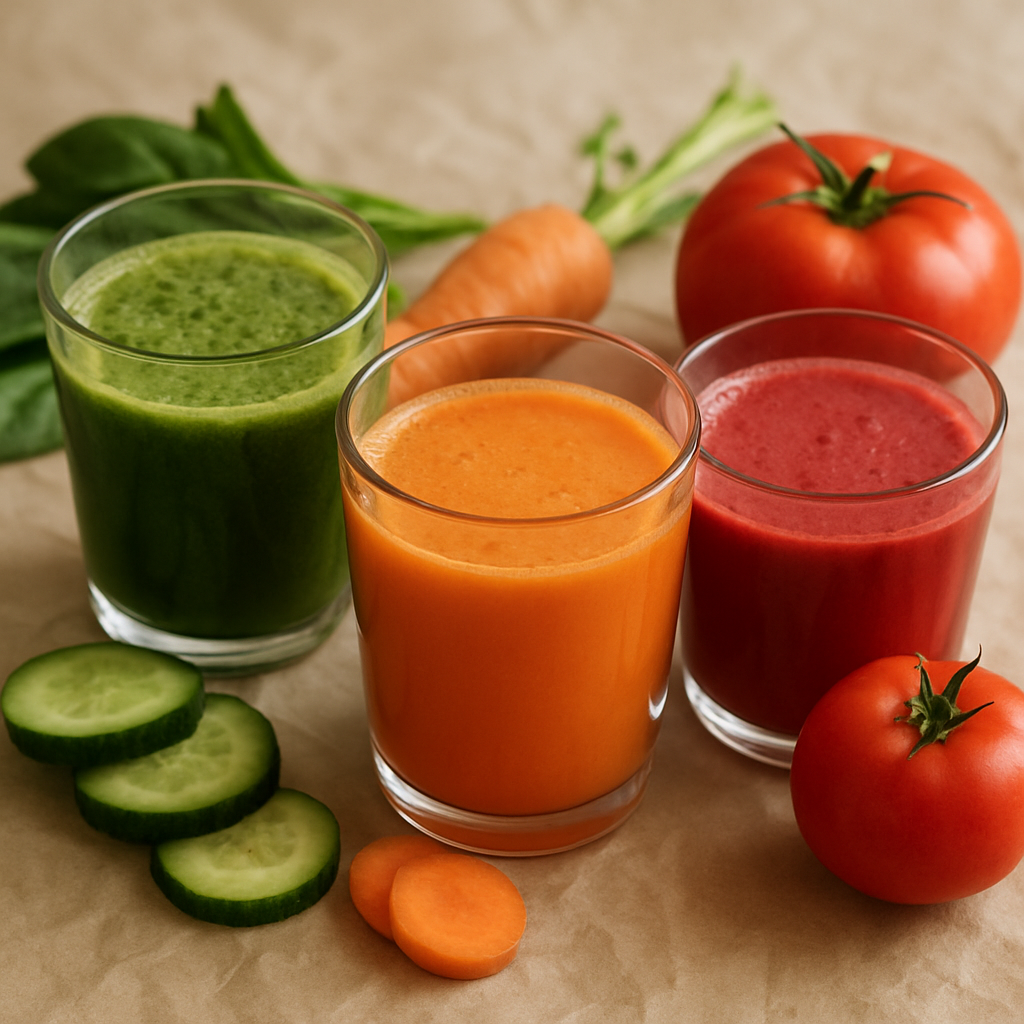
What it is
This is a dark, sweet liquid made from dried plums, also known as prunes. The process involves rehydrating the dried fruit and pressing out its juice. It has a distinct, rich flavor that is both fruity and slightly earthy. The juice is often enjoyed for its unique taste and is a common pantry staple for many households.
How people cook with it
Prune juice can be consumed on its own or incorporated into various culinary creations. Its natural sweetness and distinct flavor profile make it a versatile ingredient.
- Enjoy chilled as a beverage.
- Use in marinades for meats.
- Add to baked goods for moisture.
- Mix into smoothies for added flavor.
Many people drink prune juice straight from a glass, often chilled. It can also be a surprising addition to recipes. For instance, it can add a deep, fruity note to marinades, particularly for pork or duck. In baking, it can contribute moisture and a subtle sweetness to cakes, muffins, or quick breads. It blends well into smoothies, complementing other fruits and vegetables with its robust flavor. Experimenting with it in sauces or glazes can also yield interesting results.
How it differs from similar foods
Unlike the juice from fresh plums, prune juice is made from dried fruit, which concentrates its sugars and deepens its flavor. This results in a richer, more intense taste and a thicker consistency compared to fresh plum juice. The drying process also alters the fruit's natural compounds.
Who it is for
Home cooks and individuals looking for a unique beverage or a flavorful ingredient for their recipes.
How to keep the rest
After opening, refrigerate the prune juice to maintain its freshness and flavor. It is best to consume it within the recommended timeframe after opening, usually indicated on the packaging. Keep the container tightly sealed to prevent any contamination or loss of quality.