
Grocery
Premium Frozen Yogurt
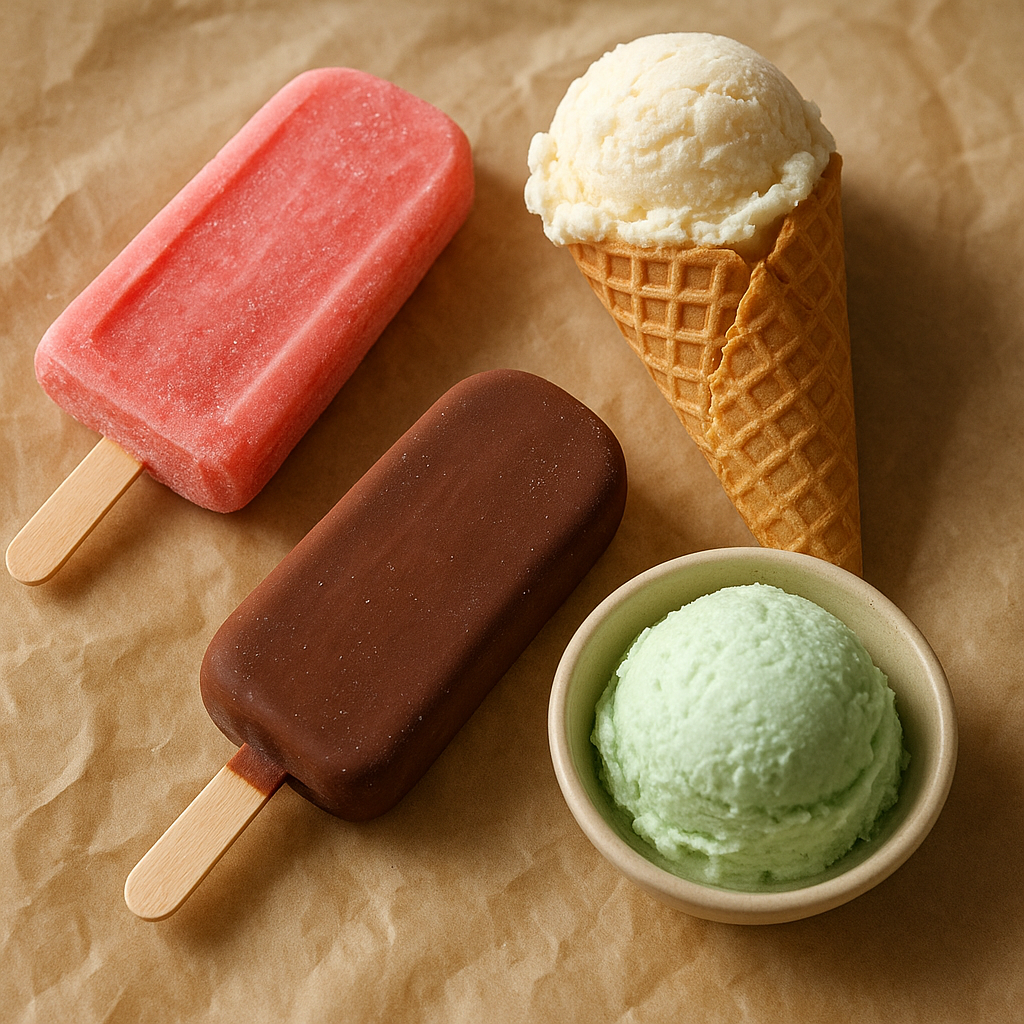
What it is
This is a frozen dessert made with cultured milk and sweeteners. It offers a lighter alternative to traditional ice cream, often with a tangier flavor profile due to the yogurt base. It is typically churned to a smooth, creamy consistency and comes in a variety of popular flavors. The process involves freezing and agitating the mixture to prevent large ice crystals from forming, resulting in a palatable texture. It is a popular choice for those seeking a frozen treat.
How people cook with it
Frozen yogurt can be enjoyed on its own or as a component in various desserts. It is a versatile ingredient in the kitchen.
- Scooped into bowls
- Topped with fruit
- Blended into smoothies
- Layered in parfaits
To serve, allow the frozen yogurt to soften slightly at room temperature for a few minutes. This makes it easier to scoop. It can be served directly from the container. For a more elaborate presentation, scoop it into chilled bowls or glasses. It pairs well with a wide range of toppings, from fresh berries and chopped nuts to sauces and sprinkles. It can also be incorporated into milkshakes or blended with other ingredients to create custom frozen beverages. Its smooth texture makes it easy to incorporate into various dessert preparations.
How it differs from similar foods
Compared to ice cream, frozen yogurt generally contains less fat and can have a more pronounced tartness from the yogurt culture. Its texture can sometimes be slightly icier than premium ice cream, depending on the specific formulation and fat content. The presence of live and active cultures is a key differentiator.
Who it is for
This frozen dessert is enjoyed by individuals and families looking for a refreshing treat.
How to keep the rest
After opening, press plastic wrap directly onto the surface of the frozen yogurt to prevent ice crystal formation. Reseal the container tightly and store it in the freezer. For best quality, consume within a few weeks of opening. Proper sealing helps maintain its smooth texture and flavor.