
Grocery
Aged White Wine Vinegar
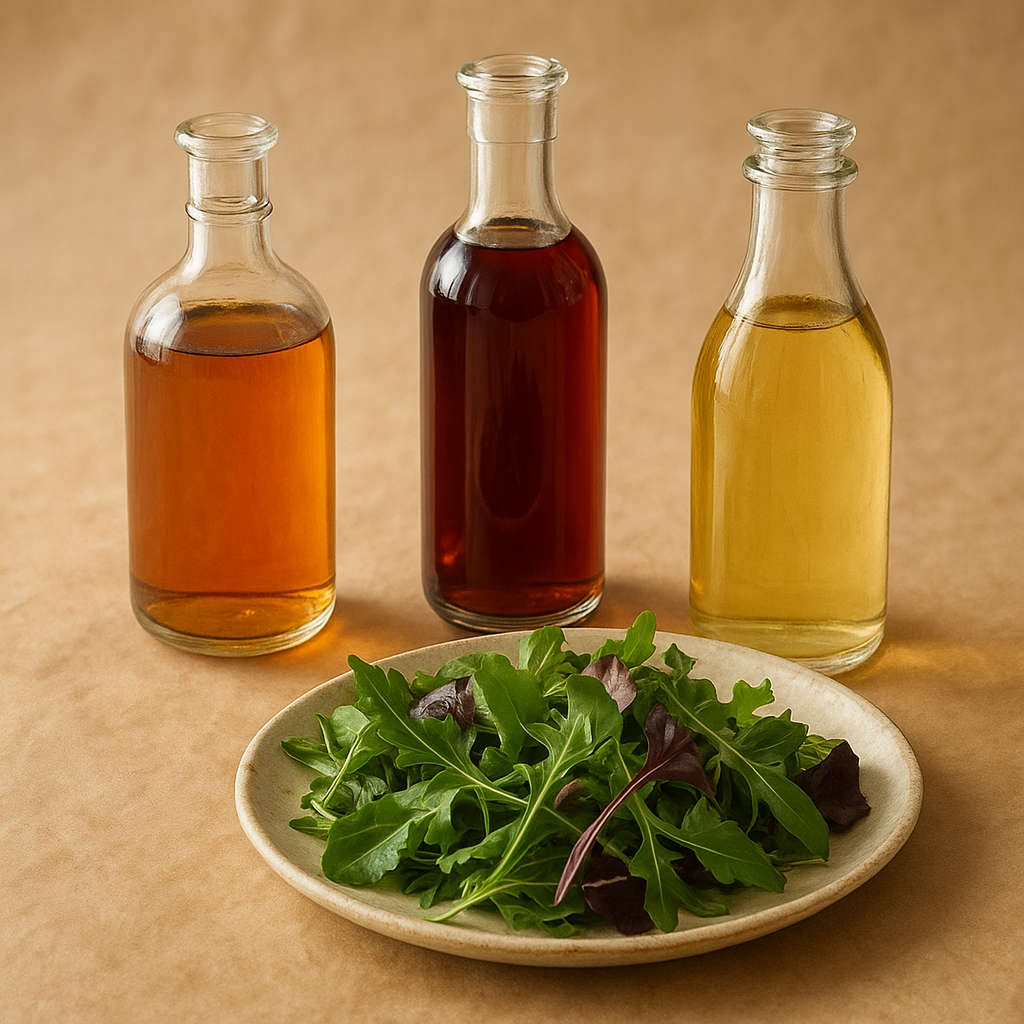
What it is
This is a type of vinegar made from white wine that has been aged. The aging process allows the flavors to mellow and deepen, resulting in a more complex and less sharp taste than fresh white wine vinegar. It typically has a clear appearance and a balanced acidity, making it a versatile ingredient in many culinary applications. The quality of the wine used and the duration of aging significantly influence its final character.
How people cook with it
Aged white wine vinegar is a staple in kitchens for adding brightness and depth to dishes. It can be used in both cooking and as a finishing element.
- Salad dressings
- Marinades
- Sauces
- Pickling
In salad dressings, it forms the acidic base, balancing oil and other seasonings. For marinades, it helps to tenderize meats and infuse them with flavor. It can be reduced into glazes or added to pan sauces to deglaze and add a tangy finish. When pickling vegetables, its acidity preserves them and contributes to their characteristic sharp taste. It is also excellent drizzled over roasted vegetables or grilled fish.
How it differs from similar foods
Compared to regular white wine vinegar, aged white wine vinegar offers a smoother, more nuanced flavor profile. It lacks the harsh bite of younger vinegars, presenting a more rounded acidity. This makes it ideal for delicate dishes where a subtler tang is desired.
Who it is for
Home cooks and professional chefs appreciate its refined taste for enhancing a wide range of recipes.
How to keep the rest
To preserve its quality, store the vinegar in a cool, dark place, away from direct sunlight and heat. Ensure the cap is tightly sealed after each use to prevent oxidation and evaporation. Refrigeration is not typically necessary unless specified by the producer.