
Grocery
Finely Ground Sweetener
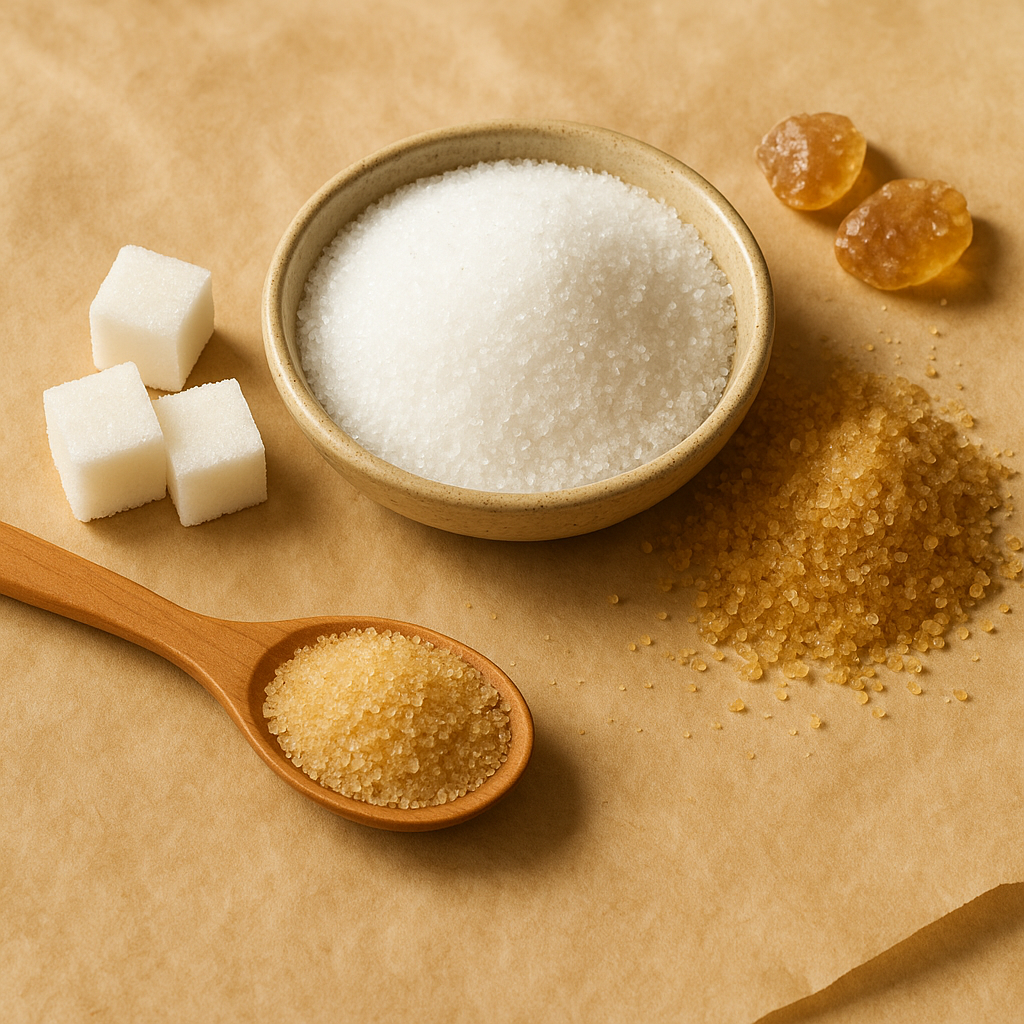
What it is
This is a very finely granulated sugar. It is made by milling granulated sugar until it is a powder. A small amount of cornstarch is often added to prevent clumping. This fine texture is what makes it unique and useful in many culinary applications. It dissolves very quickly and easily, which is a key characteristic.
How people cook with it
Powdered sugar is essential for creating smooth, delicate finishes and incorporated sweetness in baked goods and confections.
- Dusting baked goods
- Making smooth frostings
- Creating glazes
- Sweetening whipped cream
Powdered sugar is most commonly used in baking and confectionery. It is the base for many frostings and icings, where its fine texture allows for smooth application and a melt-in-your-mouth quality. It can be sifted over cakes, cookies, and pastries as a simple, elegant decoration. It is also used to make glazes for doughnuts and other sweet treats. In some recipes, it is creamed with butter to create a light and airy foundation for cookies and cakes. Its ability to dissolve quickly makes it ideal for delicate sauces and fillings.
How it differs from similar foods
Unlike granulated sugar, powdered sugar has a much finer consistency. This difference means it dissolves almost instantly, creating a smooth texture rather than a gritty one. Granulated sugar is typically used for its crystalline structure in baking, while powdered sugar is preferred for its ability to create smooth, uniform mixtures and decorative finishes.
Who it is for
Bakers and home cooks often reach for powdered sugar when a smooth texture and delicate sweetness are desired.
How to keep the rest
To keep powdered sugar from clumping, store it in an airtight container in a cool, dry place. If it does become lumpy, you can sift it to break up the hardened pieces. Ensure the lid is tightly sealed after each use to maintain its fine texture.