
Grocery
Pork Sausage Links
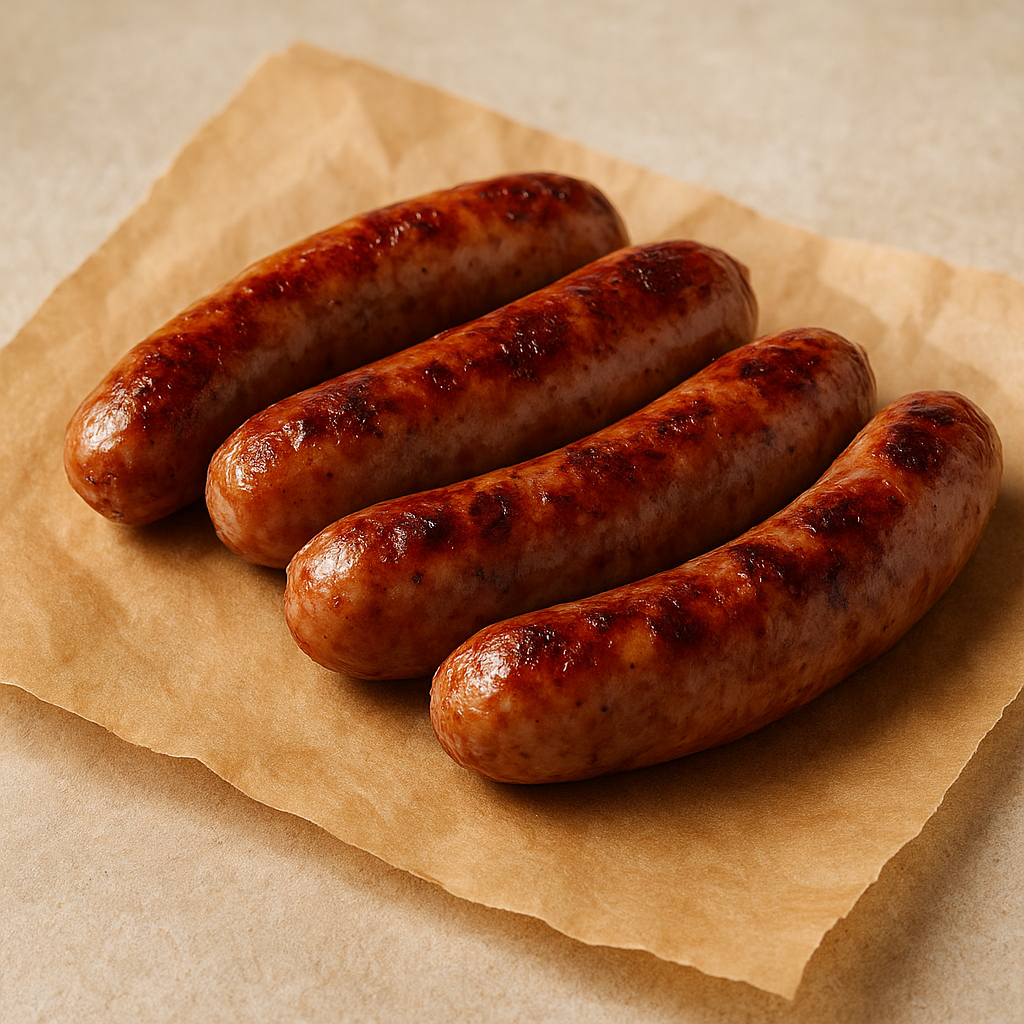
What it is
These are seasoned ground pork encased in a casing, typically made from animal intestines or a synthetic material. They are a versatile meat product, often pre-cooked or ready to be cooked. The seasoning can vary, but common additions include salt, pepper, sage, and other spices that give them their distinctive savory flavor. They are a popular choice for breakfast and can be incorporated into many different meals.
How people cook with it
Pork sausages are a staple in many kitchens, offering a quick and flavorful addition to a variety of dishes. They can be enjoyed on their own or as a key component in more complex meals.
- Breakfast side dish
- Added to pasta sauces
- Used in casseroles
- Grilled for cookouts
To cook pork sausage links, you can pan-fry them in a skillet over medium heat until they are browned and cooked through. Baking them in the oven is another option, usually on a baking sheet at around 375°F (190°C) until they reach your desired level of doneness. Some people prefer to boil them briefly before pan-frying to ensure they are fully cooked internally. Always ensure they are heated thoroughly before serving to enjoy their best texture and flavor.
How it differs from similar foods
Pork sausages differ from other types of sausages due to their primary ingredient being ground pork. This gives them a distinct flavor profile and a tender texture. Compared to beef sausages, they are generally milder and less dense. Their casing can also vary, affecting the snap when bitten.
Who it is for
Home cooks and professional chefs alike use pork sausages for their convenience and delicious taste.
How to keep the rest
Refrigerate uncooked pork sausages promptly after purchase. Store them in their original packaging or in an airtight container. For longer storage, they can be frozen. Ensure they are well-wrapped to prevent freezer burn. Thaw frozen sausages in the refrigerator before cooking.