
Grocery
Frozen Pork Riblets
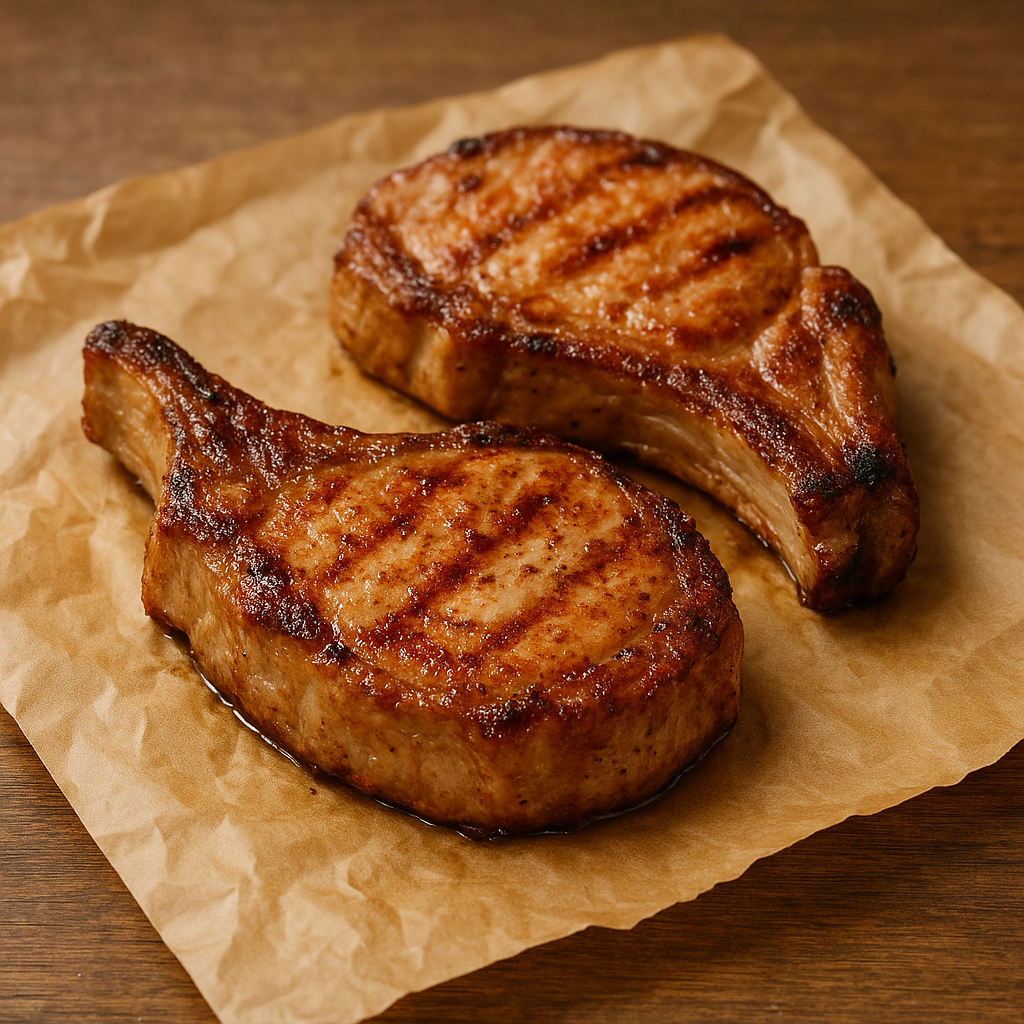
What it is
These are pre-cut sections of pork rib, typically from the belly or sparerib area. They are often sold frozen to preserve freshness and extend shelf life. The meat is marbled with fat, which contributes to a tender and flavorful result when cooked. The riblets are usually small and manageable, making them convenient for various cooking methods. They are a popular choice for those who enjoy the rich taste of pork ribs but prefer a quicker cooking time or smaller portion size.
How people cook with it
Pork riblets are versatile and can be prepared in many ways. They are excellent for grilling, baking, or slow cooking.
- Grilled appetizers
- Slow-cooked main dishes
- Baked party snacks
- Smoked starters
When cooking frozen pork riblets, it is often best to thaw them first for more even cooking. You can thaw them in the refrigerator overnight or use the defrost setting on your microwave. Once thawed, they can be seasoned with your favorite rubs or marinades. For a tender result, slow cooking in an oven or slow cooker is recommended, allowing the connective tissues to break down. Grilling or baking at higher temperatures can create a nice char and crispy exterior. Ensure they are cooked through to an internal temperature of 160°F (71°C).
How it differs from similar foods
Compared to full racks of ribs, pork riblets are smaller and more uniform in size. This means they cook faster and are easier to portion for individual servings or appetizers. The meat-to-bone ratio can also vary, offering a different eating experience than larger cuts.
Who it is for
Home cooks looking for convenient and flavorful pork options for meals and gatherings.
How to keep the rest
Keep frozen pork riblets in your freezer at 0°F (-18°C) or below. Once thawed, they should be refrigerated and cooked within a few days. Do not refreeze meat that has been thawed.