
Smithfield
Smithfield Pork Loin
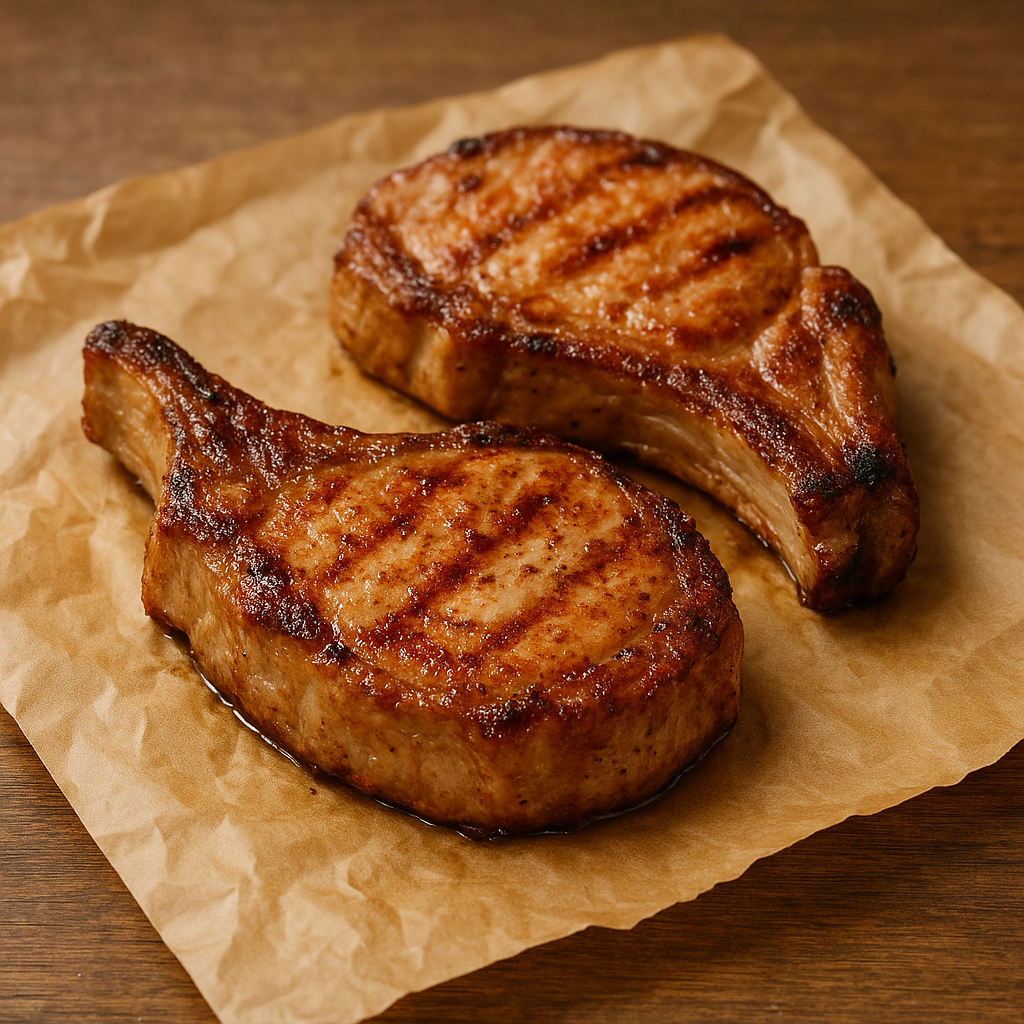
What it is
This is a cut of pork that comes from the back of the hog, running from the shoulder to the hind leg. It is a lean and tender cut, often sold with or without the bone. Pork loin can be prepared in many ways, making it a versatile choice for home cooks. It is a popular option for roasts, chops, and other main dishes.
How people cook with it
Pork loin is a staple in many kitchens, appreciated for its mild flavor and ability to absorb marinades and seasonings. It can be the centerpiece of a weeknight dinner or a special occasion meal.
- Roast for Sunday dinner
- Cut into chops for grilling
- Cubed for stir-fries
- Marinated and baked
When preparing pork loin, it is important to avoid overcooking to maintain its tenderness. For roasts, a moderate oven temperature is recommended, allowing the meat to cook through evenly. Chops can be pan-seared, grilled, or baked. For stir-fries or stews, cubing the loin and cooking it quickly helps to keep the pieces moist. Resting the meat after cooking is crucial for juicy results, as it allows the juices to redistribute throughout the cut.
How it differs from similar foods
Pork loin is leaner than pork shoulder, which contains more fat and connective tissue. This makes loin a more tender option, suitable for quicker cooking methods. It also has a milder flavor profile compared to cuts like pork belly, which are richer and more intensely porky.
How to keep the rest
After purchasing, keep any unused portions of pork loin refrigerated. Wrap it tightly in plastic wrap or place it in an airtight container to prevent drying out. It is best to use fresh pork loin within a few days of purchase. For longer storage, it can be frozen.