
Good Chop
Pork Baby Back Ribs
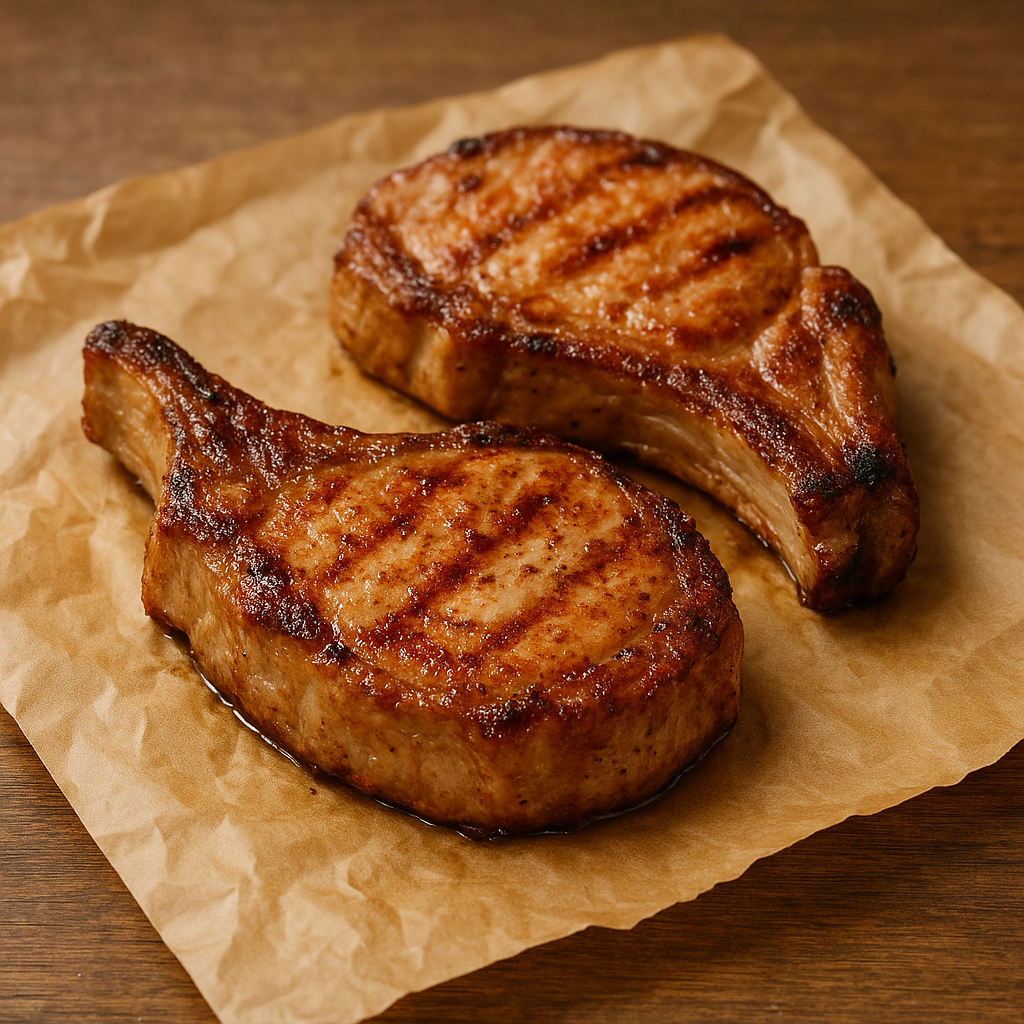
What it is
These are tender cuts of pork ribs, known for their smaller size and meaty texture. They come from the upper rib cage, near the spine. The meat is generally lean and flavorful, making them a popular choice for grilling and slow cooking. They are typically sold raw and require cooking before consumption. The marbling within the meat contributes to its succulence when properly prepared.
How people cook with it
Pork baby back ribs are a versatile ingredient, perfect for a variety of cooking methods that bring out their natural flavors.
- Grilled for a smoky char
- Slow-cooked until fork-tender
- Baked with a sweet glaze
- Braised in a savory sauce
To prepare pork baby back ribs, begin by removing the thin membrane from the bone side; this helps the seasoning penetrate and makes the ribs more tender. You can then season them generously with your favorite rubs, which often include paprika, garlic powder, onion powder, and brown sugar. For a tender result, slow cooking methods like smoking, braising, or baking at a low temperature for several hours are recommended. Finishing them on a grill or under a broiler can add a desirable char and help caramelize any sauces.
How it differs from similar foods
Baby back ribs are distinct from spare ribs. They are typically smaller, more curved, and have a higher meat-to-bone ratio. The meat on baby backs is often more tender and less fatty than spare ribs, making them a quicker cooking option for many.
Who it is for
Home cooks and barbecue enthusiasts often choose these ribs for family meals and gatherings.
How to keep the rest
After purchase, refrigerate raw pork baby back ribs immediately. Store them in their original packaging or a sealed container to prevent cross-contamination. Use within one to two days, or freeze for longer storage. Ensure they are thawed completely in the refrigerator before cooking.