
Grocery
Baking Powder
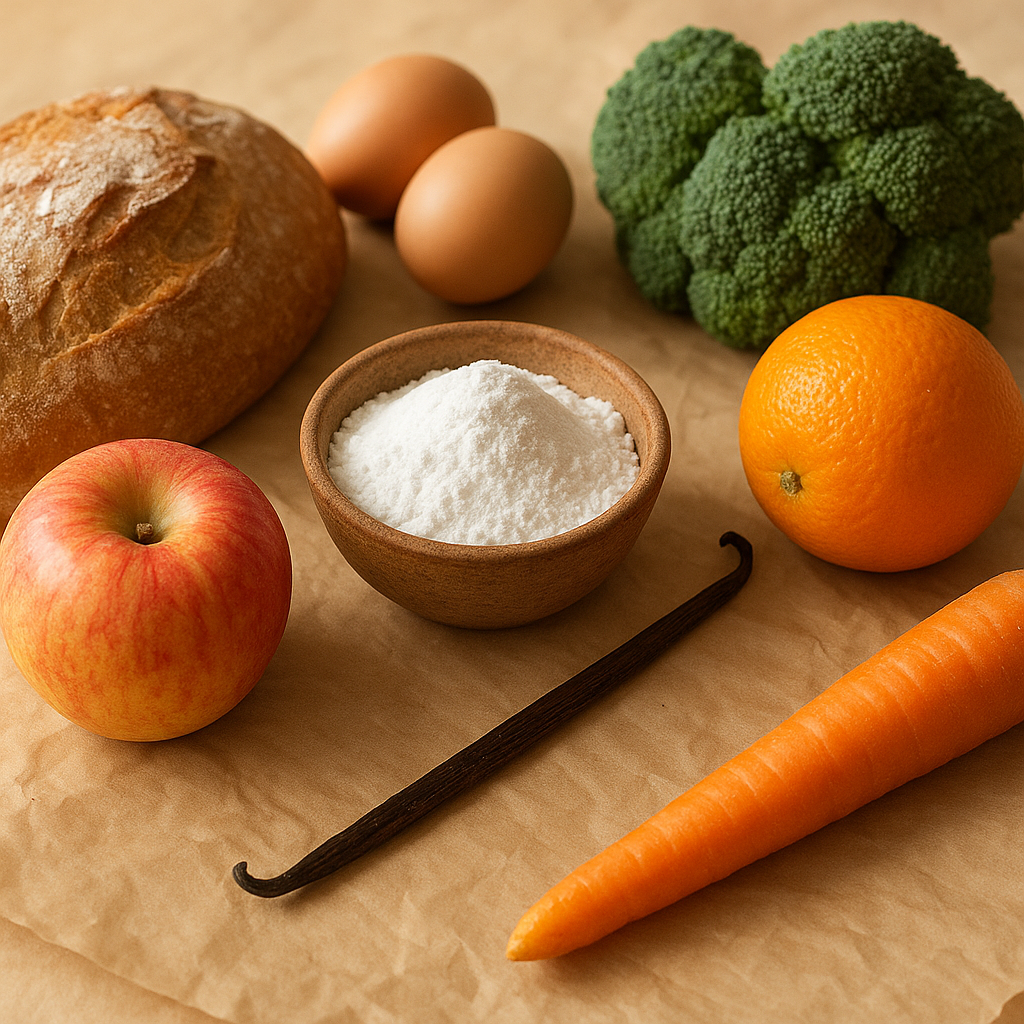
What it is
Baking powder is a leavening agent used in baking. It is a dry chemical mixture that, when combined with moisture and heat, produces carbon dioxide gas. This gas causes doughs and batters to rise, creating a lighter and airier texture in baked goods. It is typically a fine white powder, often with a slightly acidic smell.
How people cook with it
Baking powder is essential for achieving the desired rise and texture in many baked items. It is a common pantry staple for home bakers.
- Cakes and cupcakes
- Muffins and scones
- Pancakes and waffles
- Quick breads
Baking powder is usually added directly to the dry ingredients, such as flour, sugar, and salt, before wet ingredients are incorporated. When the batter or dough is mixed with liquid and then heated, the baking powder reacts. The first reaction occurs when moisture is added, and a second, stronger reaction happens when heat is applied during baking. This double-acting leavening ensures a good rise throughout the baking process, contributing to a tender crumb.
How it differs from similar foods
Unlike baking soda, which requires an acidic ingredient to activate, baking powder contains both an acid and a base. This means it can leaven baked goods on its own without the need for additional acidic components like buttermilk or lemon juice. It provides a more consistent and reliable rise in recipes that do not have inherent acidity.
Who it is for
Bakers who want to create light and fluffy baked goods will find this ingredient indispensable.
How to keep the rest
To maintain its leavening power, store baking powder in a cool, dry place, tightly sealed in its original container. Avoid exposure to moisture, as this can cause it to lose its effectiveness prematurely. Properly stored, it can last for a considerable time.