
Grocery
Classic English Muffins
What it is
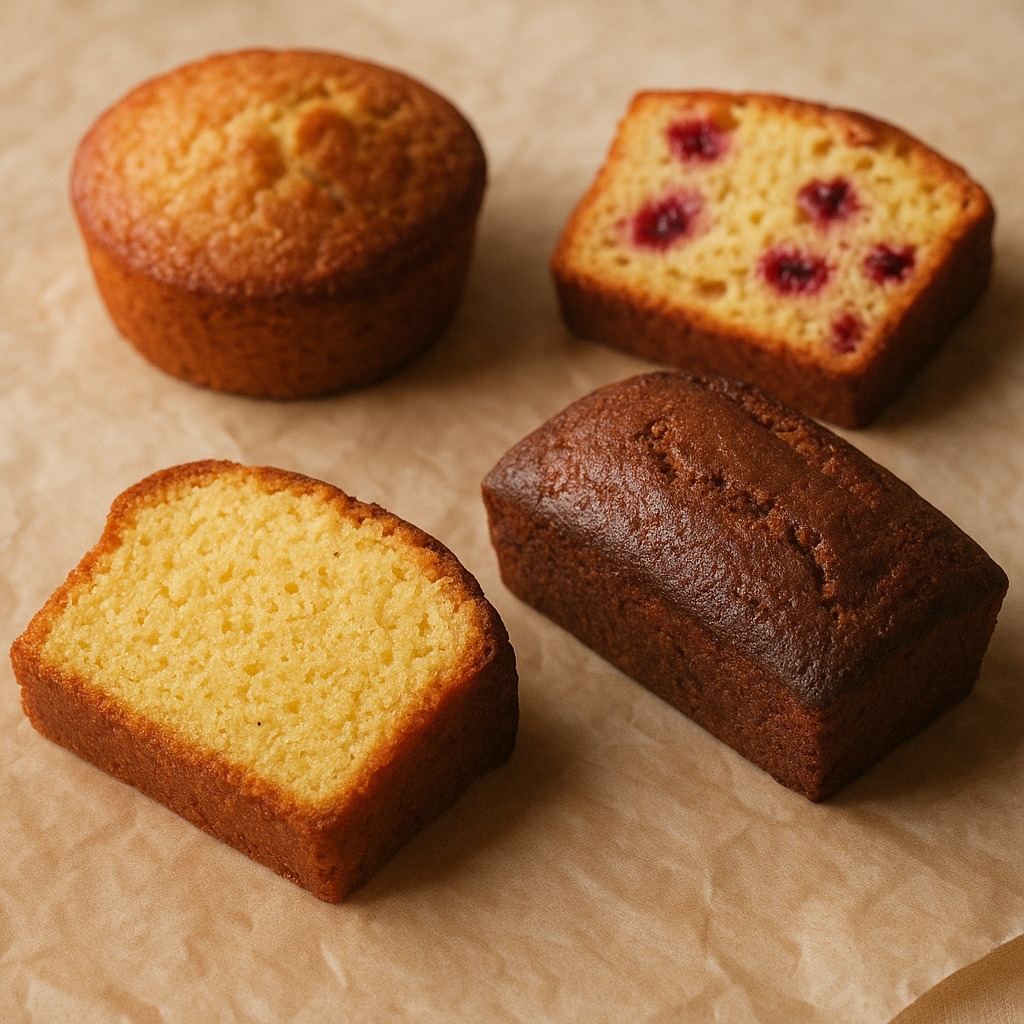
These are soft, round, yeast-leavened bread products, typically about three to four inches in diameter. They are known for their distinctive nooks and crannies, which are created during the baking process. They are often split horizontally with a fork before toasting to preserve their texture. This particular variety is plain, meaning it does not contain any added flavors or ingredients beyond the basic components of flour, water, yeast, and salt.
How people cook with it
English muffins are a versatile breakfast staple. They are excellent when toasted and served with butter or jam.
- Toasted for breakfast
- Base for eggs Benedict
- Sandwich bread
- Served with spreads
To prepare, split the muffin horizontally using a fork to maintain the characteristic texture. Toasting is the most common method, which can be done in a toaster, under a broiler, or in a skillet. Once toasted, they can be buttered, spread with jam, peanut butter, or cream cheese. They also serve as an ideal base for breakfast sandwiches or the classic dish, eggs Benedict, where they are topped with ham, poached eggs, and hollandaise sauce.
How it differs from similar foods
Compared to sliced bread, English muffins have a denser crumb and a unique texture due to their griddle-baking and split-open preparation. Their internal structure, with its many small pockets, absorbs butter and other toppings exceptionally well, offering a different eating experience than a soft slice of bread.
Who it is for
People who enjoy a hearty and textured bread for breakfast or light meals will appreciate these muffins.
How to keep the rest
To keep the remaining muffins fresh, store them in their original packaging at room temperature. For longer storage, they can be frozen. Ensure they are well-sealed to prevent freezer burn. Thaw frozen muffins at room temperature or toast them directly from the freezer.