
Grocery
Pinon Pignolia Nuts
What it is
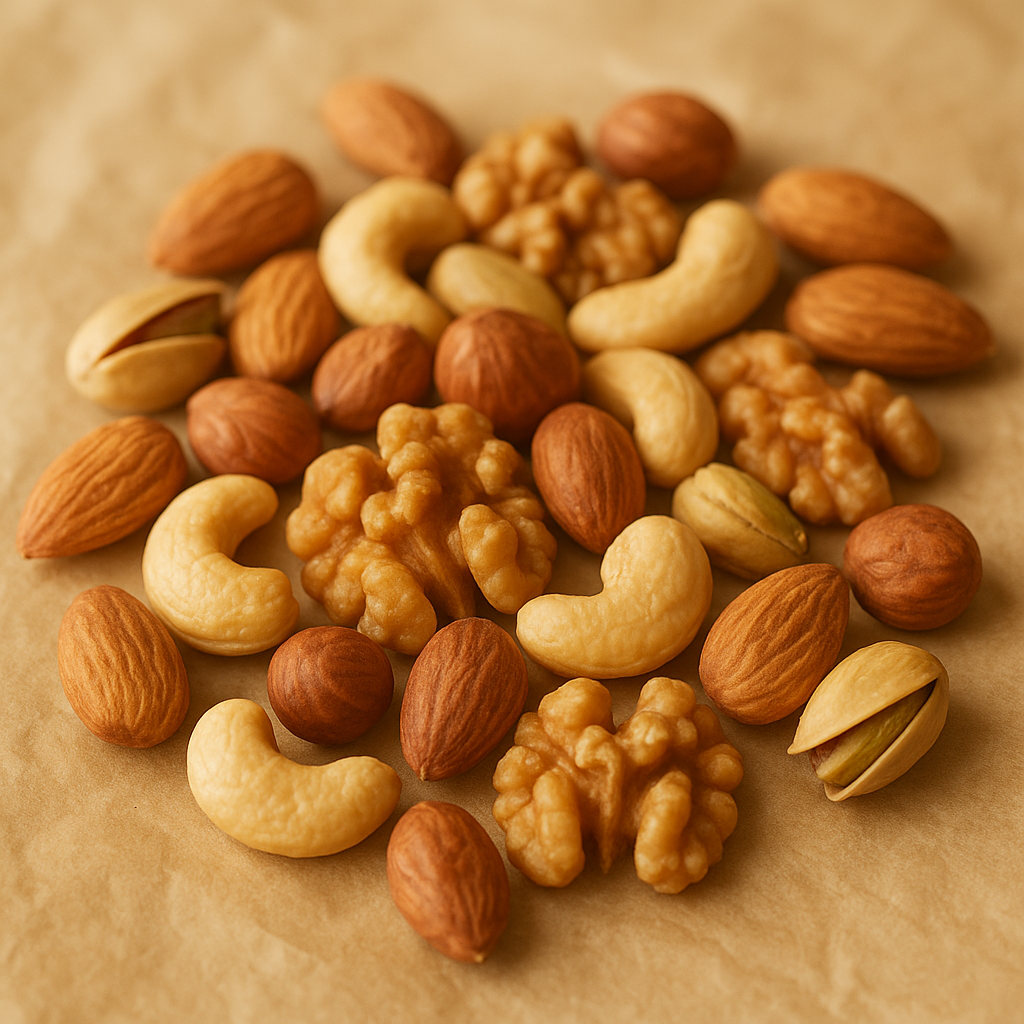
Pinon pignolia nuts are the edible seeds of the piñon pine tree. These small, teardrop-shaped nuts have a delicate, buttery flavor and a slightly resinous aroma. They are a traditional food source in the Southwestern United States and Mexico. The nuts are typically harvested from pine cones that have fallen to the ground. They are a prized ingredient for their unique taste and texture.
How people cook with it
These nuts are a versatile ingredient in both sweet and savory dishes. Their subtle flavor complements a wide range of culinary applications.
- Toasted for snacking
- Added to pesto
- Mixed into baked goods
- Sprinkled over salads
Pinon pignolia nuts can be enjoyed raw or lightly toasted. Toasting enhances their flavor and aroma, bringing out a richer, nuttier taste. To toast, spread the nuts in a single layer on a baking sheet and bake at a moderate temperature until fragrant and lightly golden. Be careful not to overcook them, as they can burn quickly. They are often incorporated into sauces, pestos, or used as a garnish for roasted vegetables and meats. In baking, they add a delightful crunch and flavor to cookies, cakes, and bread.
How it differs from similar foods
Compared to other pine nuts, pinon pignolia nuts are often smaller and have a more pronounced, slightly sweeter flavor. Their texture can be a bit softer, making them blend more easily into dishes. They are distinct from other tree nuts like almonds or walnuts due to their unique pine origin and subtle resinous undertones.
Who it is for
Home cooks and bakers who enjoy adding unique flavors and textures to their meals will appreciate these nuts.
How to keep the rest
To maintain freshness, store unopened packages in a cool, dry place. Once opened, transfer the nuts to an airtight container and refrigerate or freeze them. This will help preserve their delicate flavor and prevent them from becoming rancid, ensuring they are ready for your next culinary creation.