
Flora
Flora Pine Nuts
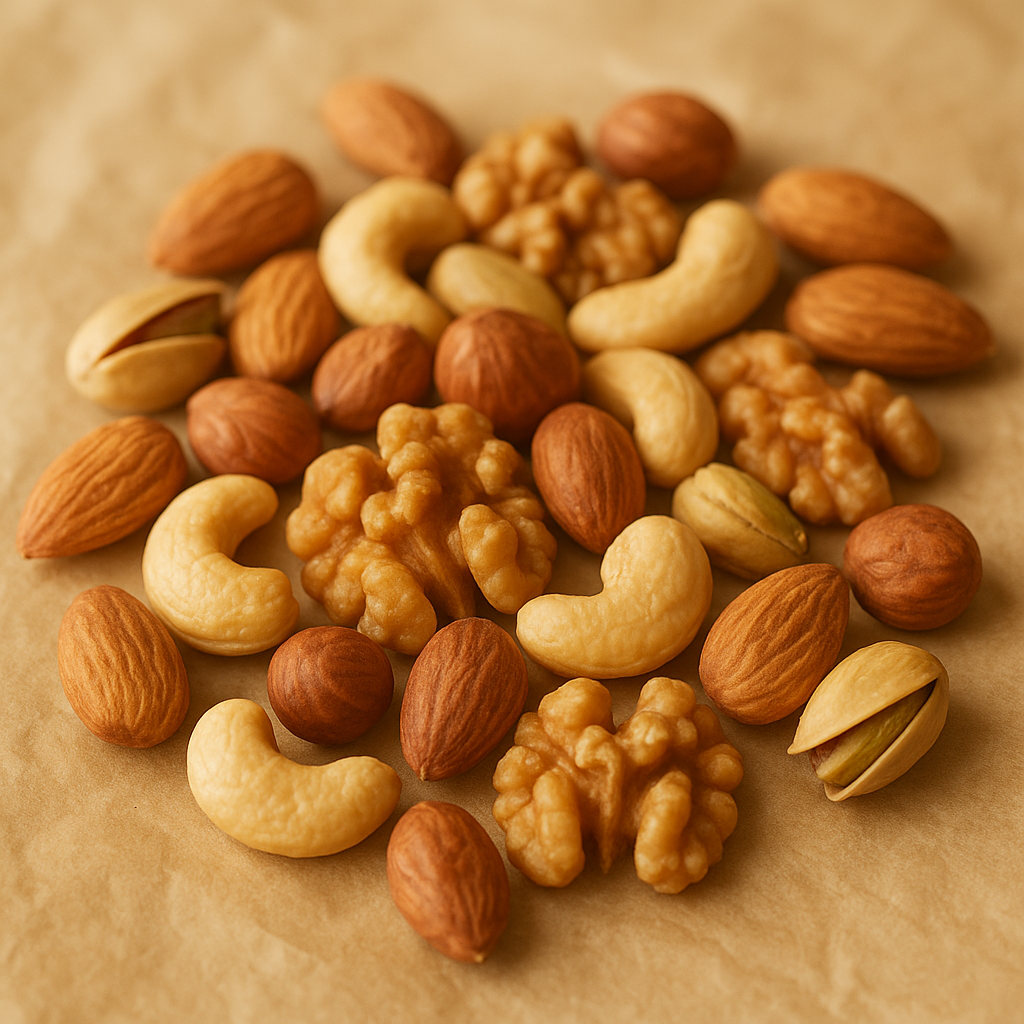
What it is
These are the edible seeds of pine trees, harvested from their cones. They are small, oval-shaped, and have a delicate, buttery flavor. Pine nuts are a popular ingredient in many cuisines, particularly Mediterranean and Middle Eastern dishes. They are often used whole or chopped to add texture and richness to various preparations. Their unique taste makes them a versatile addition to both sweet and savory recipes.
How people cook with it
Pine nuts are a delightful addition to many dishes, bringing a subtle nutty flavor and satisfying crunch.
- Toasted and sprinkled over salads
- Blended into pesto sauce
- Added to baked goods
- Mixed into grain dishes
Pine nuts can be enjoyed raw, but toasting them significantly enhances their flavor and aroma. Spread them in a single layer on a dry skillet over medium heat. Stir or shake the pan frequently to prevent burning, as they can go from golden to burnt very quickly. They are ready when they turn a light golden brown and smell fragrant. Once toasted, they can be added to sauces, used as a topping for dishes, or incorporated into baked goods. For pesto, they are typically blended with basil, garlic, cheese, and olive oil.
How it differs from similar foods
Compared to other nuts like almonds or walnuts, pine nuts have a softer texture and a milder, sweeter flavor. Their delicate taste doesn't overpower other ingredients, making them ideal for dishes where a subtle nutty note is desired. They also tend to be more delicate and can burn more easily when heated.
Who it is for
Home cooks and professional chefs alike appreciate pine nuts for their unique flavor and texture.
How to keep the rest
To maintain freshness, store any unused pine nuts in an airtight container in a cool, dark place. For longer storage, they can be kept in the refrigerator or freezer. Ensure they are well-sealed to prevent them from absorbing odors or becoming rancid.