
Grocery
Piña Fruit
What it is
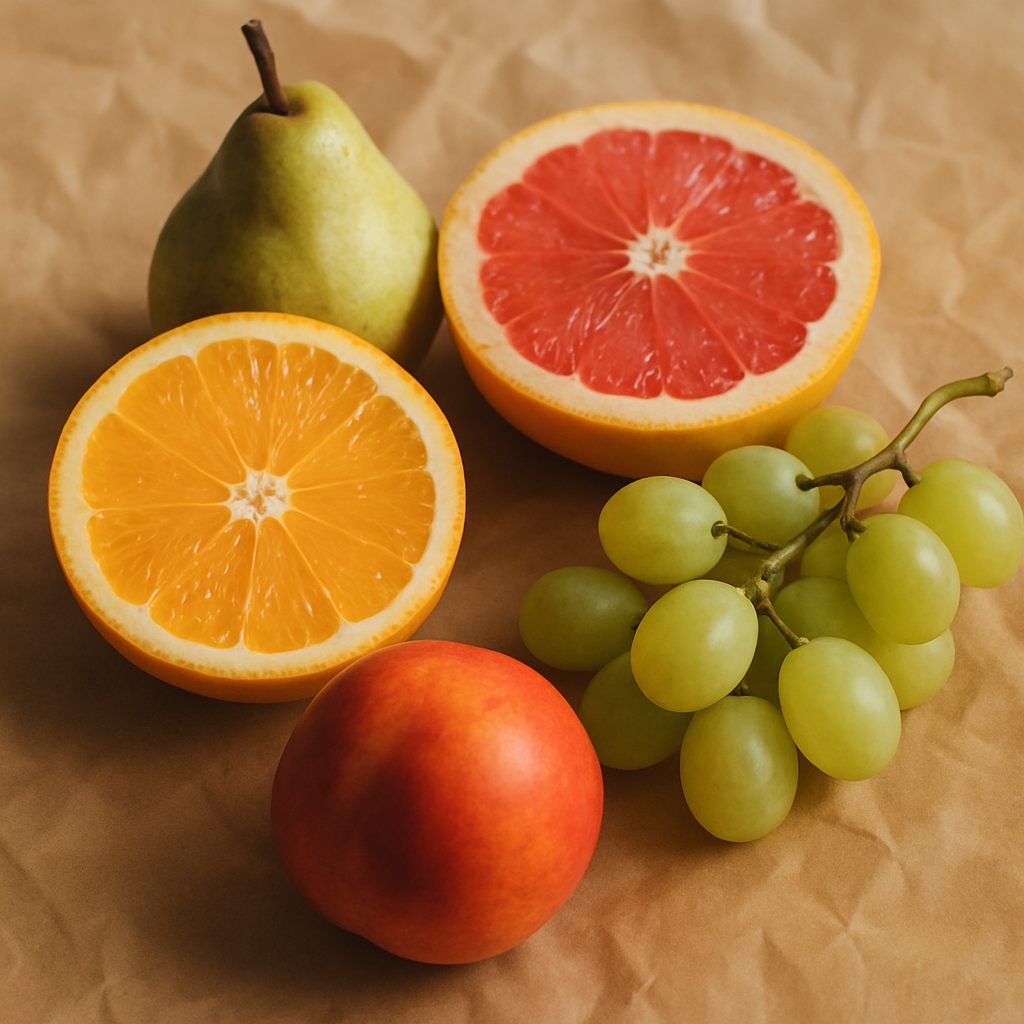
This is a whole, fresh piña, also known as a pineapple. It is a tropical fruit characterized by its spiky, tough exterior and sweet, juicy flesh. The fruit grows on a plant and is harvested when ripe. It has a distinctive crown of green leaves at the top. The flesh is typically yellow and has a slightly fibrous texture. It is known for its refreshing taste and aroma.
How people cook with it
Piña is a versatile fruit that can be enjoyed in many ways. Its bright flavor complements both sweet and savory dishes.
- Juiced for drinks
- Diced into salads
- Grilled for desserts
- Added to savory stews
To prepare piña, first remove the leafy crown and the tough outer rind. You can do this by standing the fruit upright and slicing downwards from top to bottom, following the curve of the fruit. Once the rind is removed, you can cut the piña into quarters lengthwise. Then, slice away the hard, fibrous core from each quarter. The remaining flesh can then be cut into chunks, slices, or rings as desired for your culinary creations. It is ready to be eaten fresh or used in cooking.
How it differs from similar foods
Compared to canned pineapple, fresh piña offers a more vibrant and less syrupy flavor. Its texture is also firmer and more satisfying. The natural sweetness and tang are more pronounced, providing a brighter taste profile in dishes.
Who it is for
Home cooks and bakers who enjoy incorporating fresh, tropical flavors into their meals and desserts will find this fruit useful.
How to keep the rest
To store a whole, uncut piña, keep it at room temperature for a day or two to allow it to ripen further. Once cut, wrap the pieces tightly in plastic wrap or place them in an airtight container and refrigerate. It is best consumed within a few days of cutting for optimal freshness and flavor.