
Grocery
Canned Pigs Lips
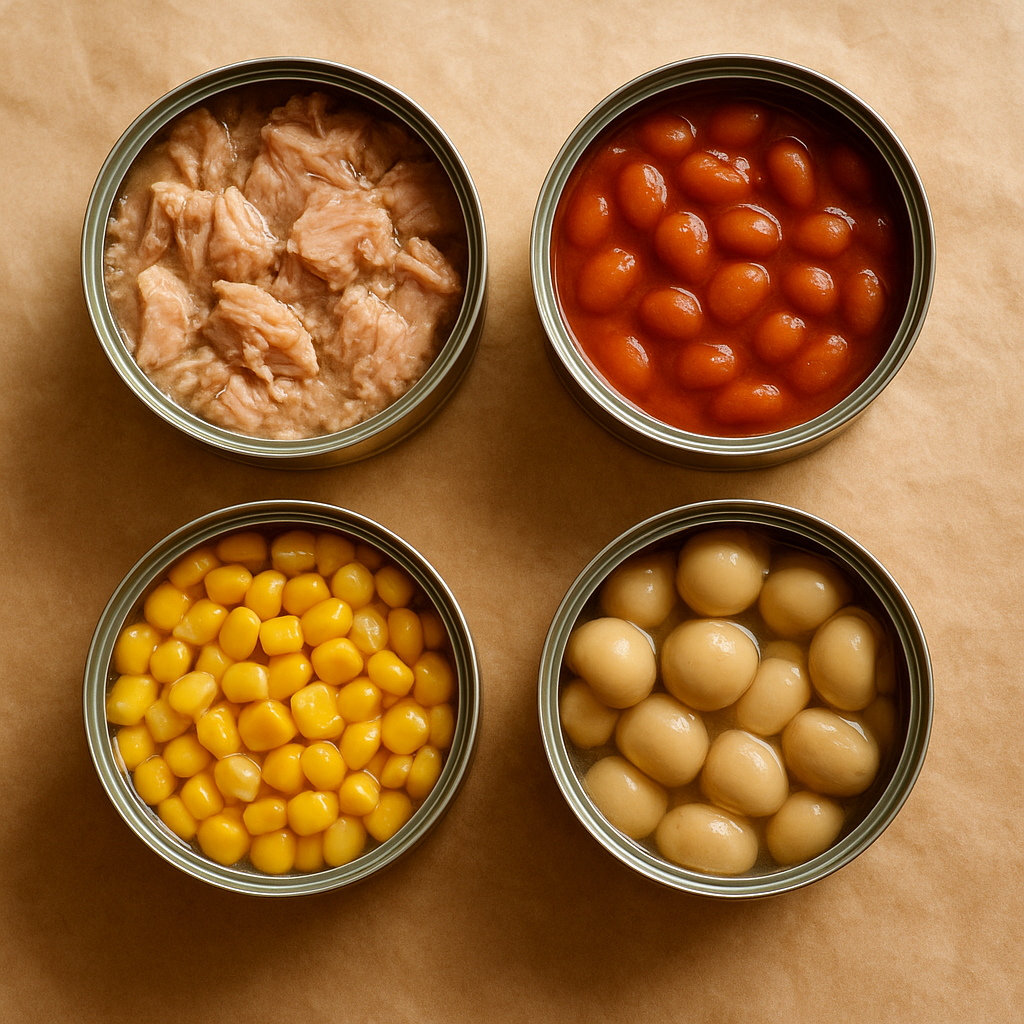
What it is
This product consists of pigs' lips that have been preserved in a can. The processing typically involves cleaning, cooking, and then sealing the lips in a liquid, often brine or a savory broth. This method of preservation extends the shelf life of the product, making it a convenient option for various culinary applications. The texture can vary depending on the preparation, but they are generally tender after being canned.
How people cook with it
Canned pigs' lips can be incorporated into a variety of dishes, offering a unique texture and flavor.
- Added to stews
- Fried until crispy
- Chopped into salads
- Used in braised dishes
Before cooking, it is often recommended to drain the liquid from the can. Some prefer to rinse the lips to remove excess salt or brine. They can then be prepared in numerous ways. For a crispy texture, they can be sliced and pan-fried or deep-fried until golden brown. Alternatively, they can be added to slow-cooked dishes like stews or braises, where their connective tissues will break down, contributing to a rich mouthfeel and depth of flavor. They can also be finely chopped and mixed into other ingredients.
How it differs from similar foods
Compared to other canned meats, pigs' lips offer a distinct texture due to their higher collagen content. This results in a gelatinous quality when cooked slowly and a satisfying chewiness. Their flavor profile is generally mild and savory, readily absorbing the tastes of other ingredients they are cooked with.
Who it is for
Home cooks and adventurous eaters looking to explore less common meat preparations.
How to keep the rest
Once opened, any unused portion of canned pigs' lips should be transferred to a separate airtight container and refrigerated. It is best to consume the remaining product within a few days to ensure freshness and quality. Keep unopened cans in a cool, dry place away from direct sunlight.