
cumbre fresca · 3.3
Cumbre Fresca Fresh Pork Leg
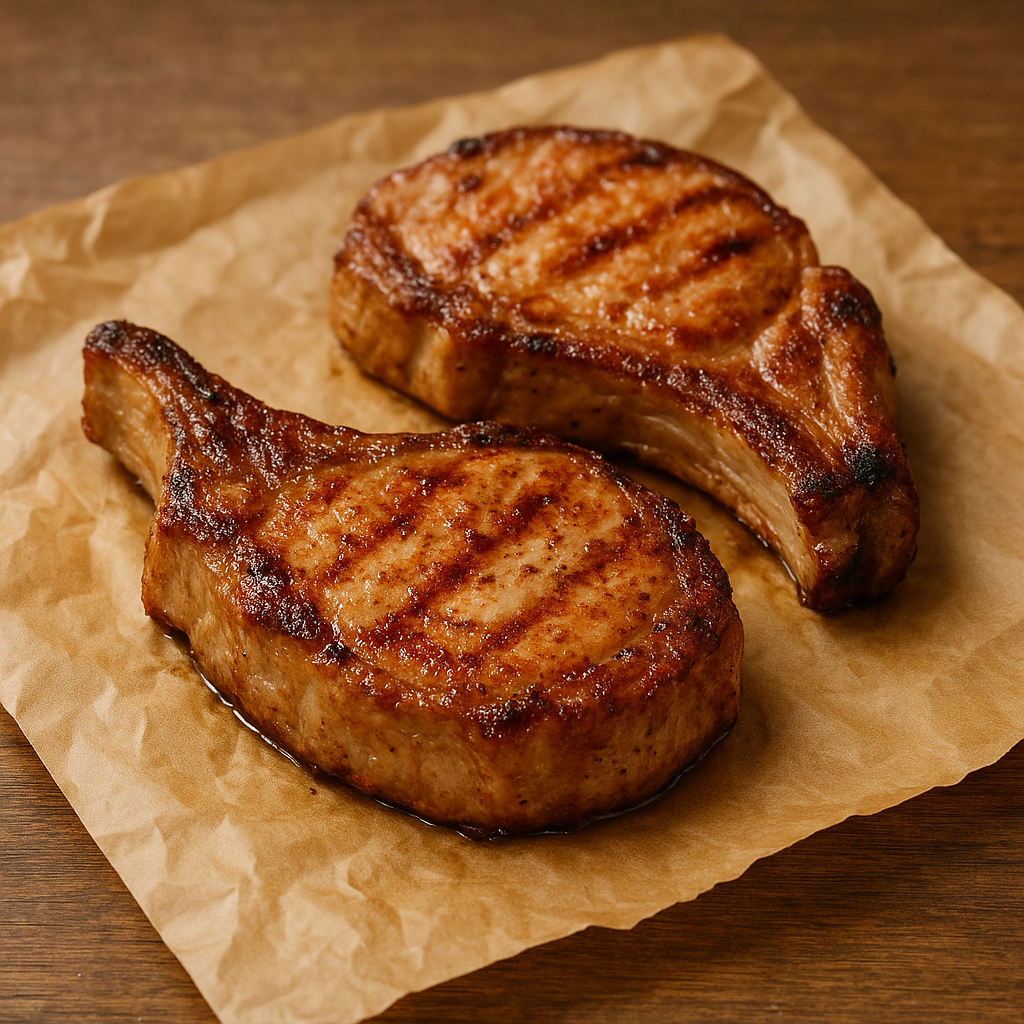
What it is
This is a fresh pork leg, also known as a shank or hock. It is a cut from the lower part of the pig's leg, containing both meat and bone. The meat is typically dense and flavorful, with a good amount of connective tissue that breaks down during slow cooking, resulting in tender and succulent results. It is often sold with the skin on, which can become wonderfully crispy when prepared correctly.
How people cook with it
Pork leg is a versatile cut that can be prepared in many ways, from braising to roasting. Its rich flavor makes it suitable for hearty meals.
- Slow-cooked stews
- Roasted for a crispy skin
- Braised with herbs
- Added to flavorful broths
To prepare, you can start by searing the pork leg to develop a rich brown crust. Then, it can be slowly braised in a liquid such as broth, wine, or even water, along with aromatics like garlic, onions, and herbs. This low and slow cooking method allows the connective tissues to break down, making the meat incredibly tender and moist. For crispy skin, ensure the skin is dry before roasting at a higher temperature towards the end of cooking. It can also be cured and smoked for different flavor profiles.
How it differs from similar foods
Compared to other pork cuts like loin or shoulder, pork leg has a denser texture and a more pronounced pork flavor due to its muscular nature and bone content. The connective tissue is also more abundant, requiring longer cooking times to achieve tenderness, unlike quicker-cooking cuts.
Who it is for
Home cooks looking to prepare classic, comforting dishes often choose this cut.
How to keep the rest
To store, keep the fresh pork leg refrigerated in its original packaging. Ensure it is kept at a consistent cold temperature. For longer storage, it can be frozen, either in its original packaging or re-wrapped tightly in freezer-safe materials to prevent freezer burn.