
Grocery
Pickled Ginger Slices
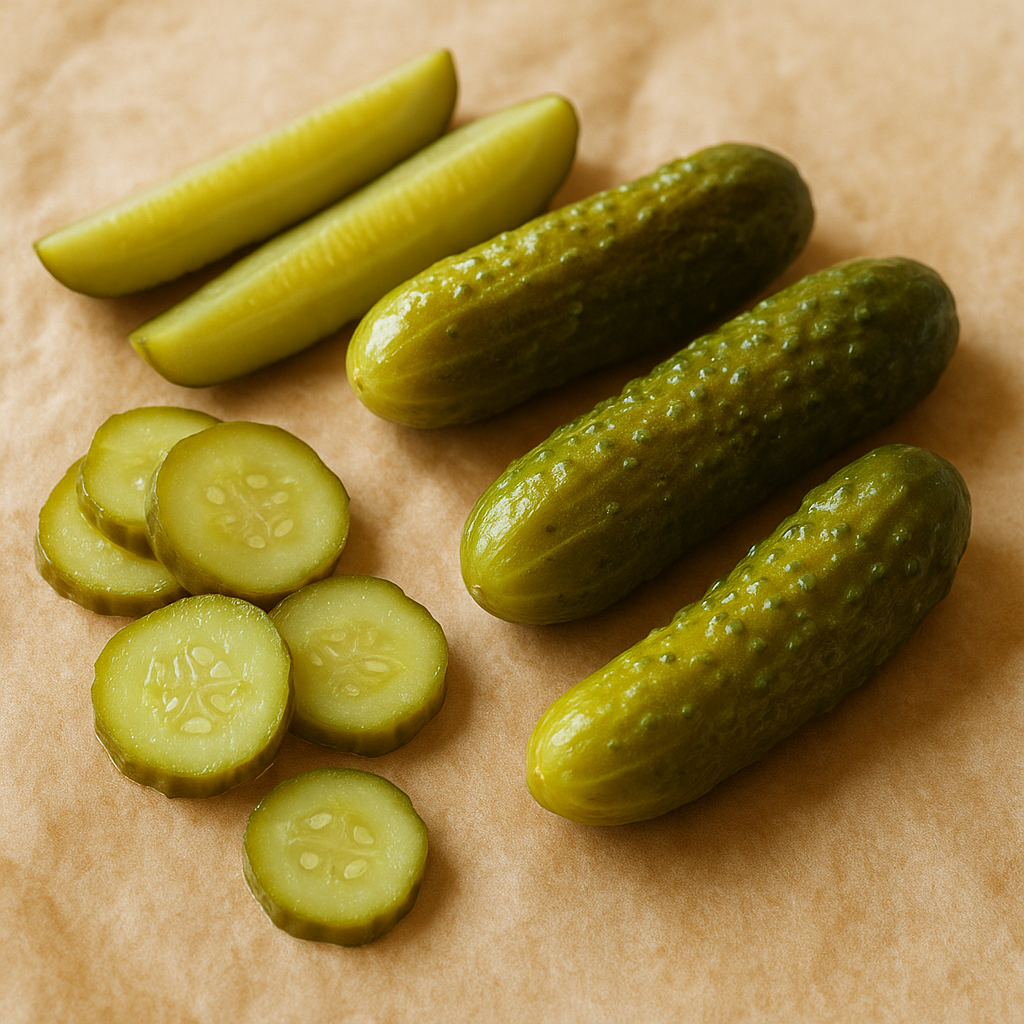
What it is
These are thin slices of young ginger root that have been pickled in a brine. The pickling process gives the ginger a distinct sweet and tangy flavor, with a pleasant crunch. It is often dyed a pale pink color, though some varieties remain a natural off-white. This condiment is a common accompaniment to many Asian dishes, particularly sushi and sashimi, where its bright taste is meant to cleanse the palate between different types of food.
How people cook with it
Pickled ginger is a versatile condiment that can enhance a variety of meals. Its unique flavor profile makes it a popular choice for adding a zesty contrast.
- Served with sushi and sashimi
- Added to noodle dishes
- Used as a palate cleanser
- Garnished on rice bowls
To use pickled ginger, simply remove the desired amount from its packaging. It is typically served alongside sushi or sashimi, where a small piece is eaten between different selections to refresh the taste buds. Beyond its traditional role, it can be chopped and added to stir-fries for a burst of flavor, mixed into salad dressings for a tangy kick, or used as a bright garnish for rice bowls and other savory dishes. Its sharp, sweet notes can cut through rich flavors.
How it differs from similar foods
Unlike fresh ginger, pickled ginger has a much milder, sweeter, and tangier taste due to the pickling process. Fresh ginger is more pungent and spicy, used primarily for its aromatic qualities in cooking. Pickled ginger is intended to be eaten raw as a condiment, offering a distinct textural and flavor contrast.
Who it is for
Anyone looking to add a bright, tangy element to their meals will appreciate pickled ginger.
How to keep the rest
After opening, store any remaining pickled ginger in its original liquid in an airtight container in the refrigerator. This will help maintain its texture and flavor. It is best to consume it within a few weeks for optimal freshness, ensuring it remains crisp and vibrant.