Grocery
Delicate Phyllo Pastry Sheets
What it is
These are ultra-thin layers of unleavened dough, often made from flour, water, and a little oil. They are baked until crisp and golden, providing a light and flaky texture. The sheets are typically sold in a rectangular shape and are very delicate, requiring careful handling during preparation. They are a staple in many cuisines for creating a variety of sweet and savory dishes.
How people cook with it
Phyllo dough is incredibly versatile, perfect for both elegant appetizers and comforting desserts. Its unique texture transforms baked goods.
- Layered savory pies
- Sweet baklava
- Crispy appetizers
- Dessert cups
To use phyllo dough, it is important to keep it covered with a damp cloth while you work, as it dries out very quickly. Unroll the sheets carefully and brush each layer lightly with melted butter or oil before stacking them. This layering process creates the signature crispness. You can then fill the layers with your chosen ingredients, whether it's a spiced nut mixture for a dessert or a savory filling of cheese and spinach for a pie. Bake until golden brown and puffed.
How it differs from similar foods
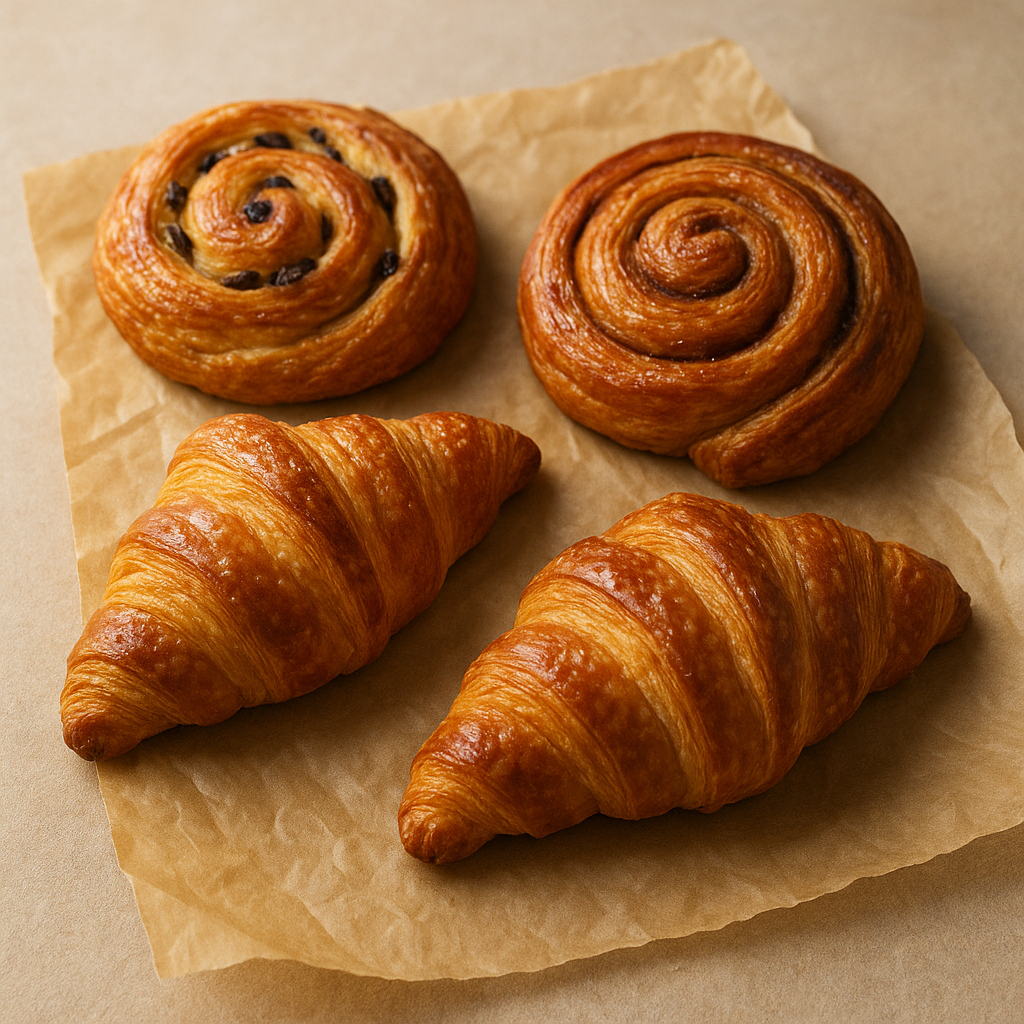
Unlike puff pastry, which relies on butter layers to create steam and lift, phyllo dough achieves its flakiness through extreme thinness and multiple, carefully brushed layers. This results in a more delicate and shatteringly crisp texture compared to the richer, more substantial layers of puff pastry.
Who it is for
Home cooks and professional bakers alike use this ingredient to add a sophisticated crunch to their creations.
How to keep the rest
Once opened, it is best to use the remaining phyllo dough within a day or two. Keep any unused portions tightly wrapped in plastic and store them in the refrigerator to prevent them from drying out. Ensure they are completely sealed to maintain freshness for your next use.