
Grocery
Fresh Trout Fillets
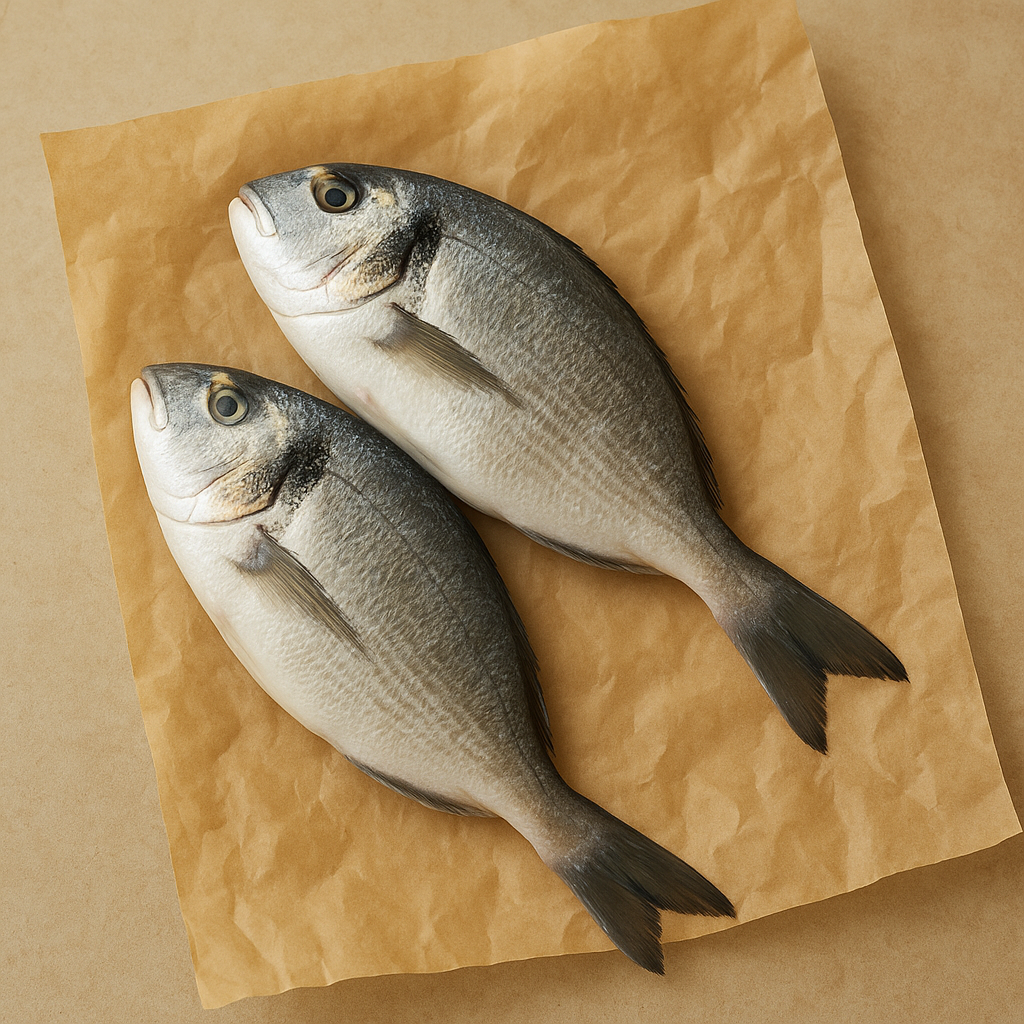
What it is
This is a portion of fresh trout, a popular freshwater fish known for its delicate flavor and flaky texture. The fillets are typically skin-on, which helps them retain moisture and adds a pleasant crispness when cooked. Trout is a versatile ingredient, suitable for a variety of cooking methods. Its mild taste makes it a good choice for those who prefer less intensely flavored fish.
How people cook with it
Trout fillets can be prepared in many ways, from simple pan-searing to more elaborate baking or grilling. They pair well with a wide range of herbs, spices, and sauces.
- Pan-seared with lemon
- Baked with herbs
- Grilled with vegetables
- Poached in broth
To pan-sear, pat the fillets dry and season with salt and pepper. Heat oil or butter in a skillet over medium-high heat. Place the fillets skin-side down and cook for about 4-5 minutes until the skin is crispy. Flip and cook for another 2-3 minutes, or until the fish is opaque and flakes easily. For baking, place seasoned fillets on a baking sheet and cook in a preheated oven at 400°F (200°C) for 10-15 minutes, depending on thickness. Grilling requires similar seasoning and cooking times, ensuring the grill grates are well-oiled.
How it differs from similar foods
Compared to salmon, trout generally has a milder, less oily flavor and a finer flake. Its flesh is often a lighter pink or white. While both are rich in omega-3 fatty acids, trout's texture is typically more delicate and less dense than that of salmon.
Who it is for
Home cooks looking for a healthy and delicious fish option for weeknight meals or special occasions.
How to keep the rest
Keep these trout fillets refrigerated at or below 40°F (4°C). It is best to cook them within one to two days of purchase. If you need to store them for longer, you can freeze the fillets, ensuring they are tightly wrapped to prevent freezer burn. Thaw frozen fillets in the refrigerator before cooking.