
Fettucine
Fettuccine Pasta
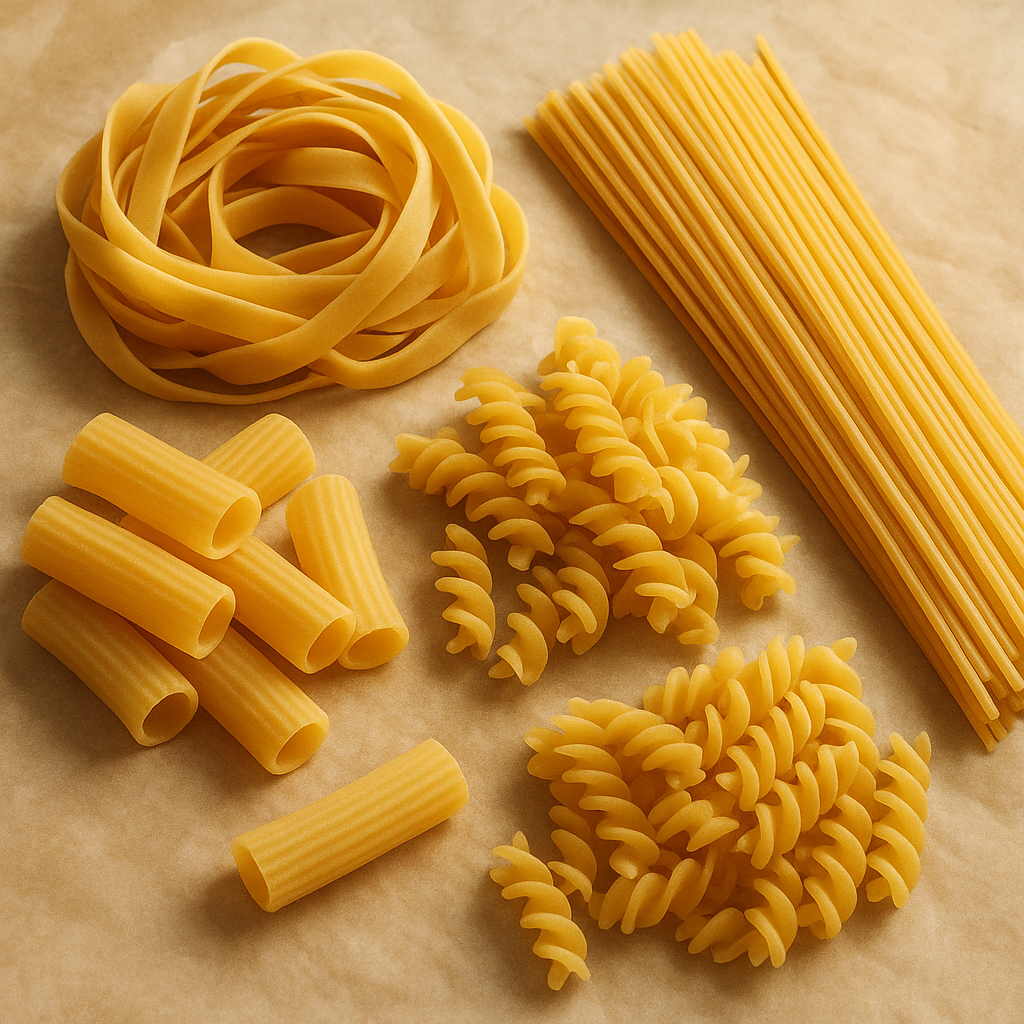
What it is
This is a type of pasta characterized by its flat, ribbon-like shape. It is made from durum wheat semolina and water, and sometimes eggs are added for richness and a slightly different texture. The width of the strands is a defining feature, making it distinct from other pasta shapes. It cooks relatively quickly and holds sauces well.
How people cook with it
Fettuccine is a versatile pasta that pairs wonderfully with a wide range of sauces, from creamy to tomato-based.
- With creamy Alfredo sauce
- In baked pasta dishes
- Tossed with pesto
- With hearty meat sauces
To prepare fettuccine, bring a large pot of salted water to a rolling boil. Add the pasta and stir occasionally to prevent sticking. Cook according to package directions until al dente, which means it should be tender but still have a slight bite. Drain the pasta, reserving some of the cooking water. Return the drained pasta to the pot and toss immediately with your chosen sauce. The residual heat and starch from the pasta will help the sauce cling beautifully. Add a splash of the reserved pasta water if needed to achieve the desired consistency.
How it differs from similar foods
Fettuccine's broad, flat surface area is its key difference from thinner pastas like spaghetti or linguine. This shape allows it to capture and hold heavier, richer sauces more effectively, providing a more substantial bite in each mouthful compared to round strands.
Who it is for
Home cooks and professional chefs alike use fettuccine for its ability to complement rich and flavorful dishes.
How to keep the rest
Store any unused uncooked fettuccine in a cool, dry place in an airtight container or its original packaging. Ensure it is protected from moisture and pests to maintain its quality. Cooked fettuccine should be refrigerated and consumed within a few days.