
Grocery
Yellow Potatoes
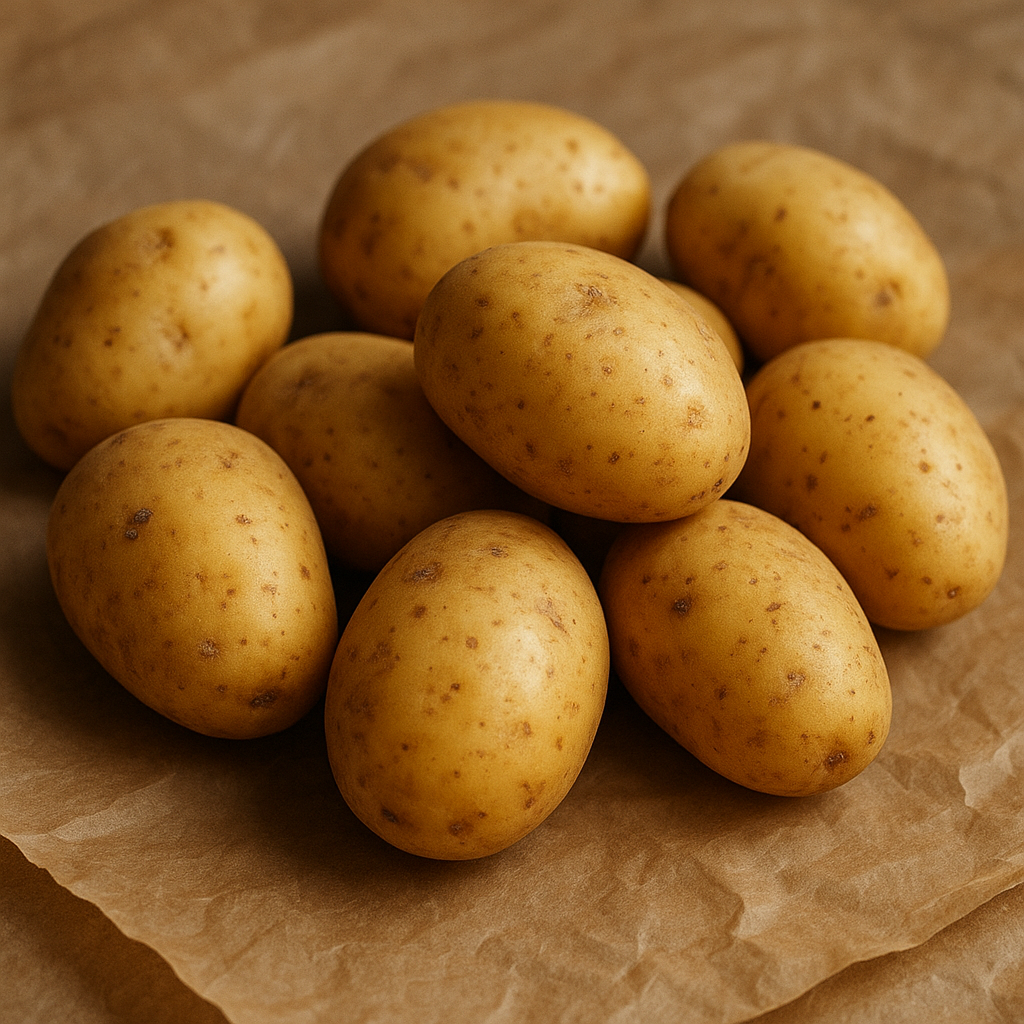
What it is
These are versatile yellow potatoes, known for their smooth, thin skin and creamy texture when cooked. Their flesh is a lovely pale yellow, offering a mild, buttery flavor that complements many dishes. They are a good source of carbohydrates and are a staple in kitchens around the world. Their size can vary, but they are generally medium-sized and easy to handle for most cooking preparations.
How people cook with it
Yellow potatoes are a fantastic base for countless meals. They can be roasted, mashed, boiled, or fried, making them suitable for almost any culinary occasion.
- Roasted side dish
- Creamy mashed potatoes
- Hearty potato salad
- Crispy home fries
To prepare yellow potatoes, begin by washing them thoroughly to remove any dirt. You can peel them if desired, though their thin skin is often left on for added texture and nutrients. For roasting, cut them into uniform pieces and toss with oil and seasonings before baking until tender and golden. When making mashed potatoes, boil them until fork-tender, then drain and mash with butter, milk, and your preferred seasonings. They also hold their shape well when boiled for salads.
How it differs from similar foods
Compared to starchy potatoes like Russets, yellow potatoes have a slightly waxy texture that helps them retain their shape better when boiled or roasted. Their skin is also thinner and more tender, making them pleasant to eat without peeling.
Who it is for
Home cooks and professional chefs alike appreciate yellow potatoes for their adaptability in the kitchen.
How to keep the rest
Store any unused yellow potatoes in a cool, dark, and well-ventilated place, away from direct sunlight and heat. Avoid refrigerating them, as this can alter their texture and flavor. They should be kept separate from onions, as the gases they emit can cause each other to spoil faster.