
Grocery
Long-Lasting Potatoes
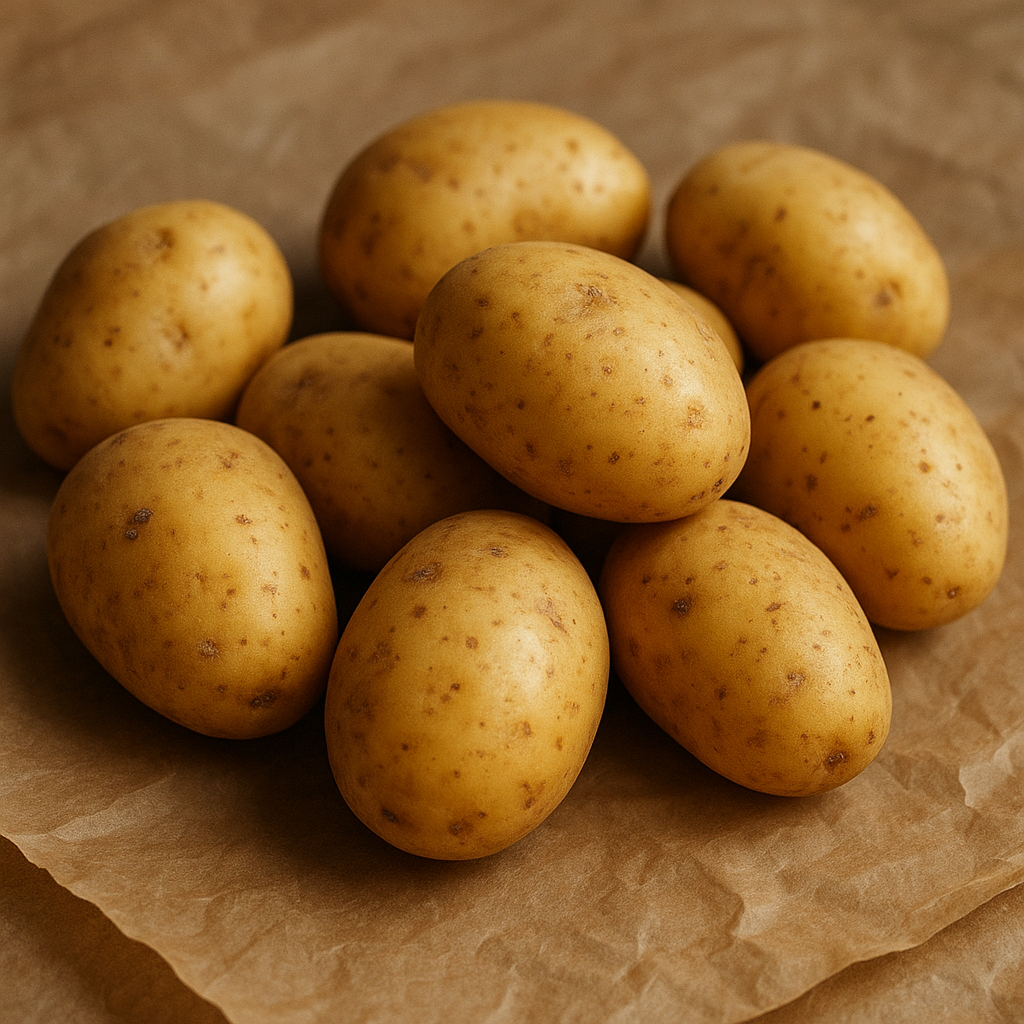
What it is
These are potatoes specifically cultivated and handled to extend their shelf life. They are typically firm and have a relatively thick skin, which helps protect them from spoilage and moisture loss. Their natural composition allows them to remain usable for a longer period compared to more delicate varieties. They are a staple food item, offering a versatile base for many meals.
How people cook with it
These potatoes are a fundamental ingredient in countless kitchens, suitable for a wide range of culinary preparations.
- Roasting and baking
- Mashed potatoes
- Soups and stews
- Fries and chips
When preparing these potatoes, begin by washing them thoroughly to remove any dirt. You can peel them if desired, or leave the skin on for added texture and nutrients, especially when roasting. For boiling, cut them into uniform pieces to ensure even cooking. They hold their shape well when diced or cubed, making them ideal for adding to hearty stews or casseroles. When baking, pricking the skin beforehand helps prevent them from bursting. Their dense texture makes them suitable for long cooking times without becoming mushy.
How it differs from similar foods
Compared to new potatoes or fingerlings, these varieties have a starchier texture and a drier flesh when cooked. This makes them less prone to falling apart during prolonged cooking and better suited for applications where a firm structure is desired, like in gratins or potato salads.
Who it is for
Home cooks and professional chefs rely on these potatoes for their consistent performance and extended availability throughout the year.
How to keep the rest
To keep the rest of these potatoes fresh, store them in a cool, dark, and well-ventilated place. Avoid storing them in plastic bags, as this can trap moisture and encourage sprouting or rot. Do not refrigerate them, as this can alter their texture and flavor. Check periodically for any signs of spoilage and remove any damaged potatoes.