
Grocery
Dried Pasta
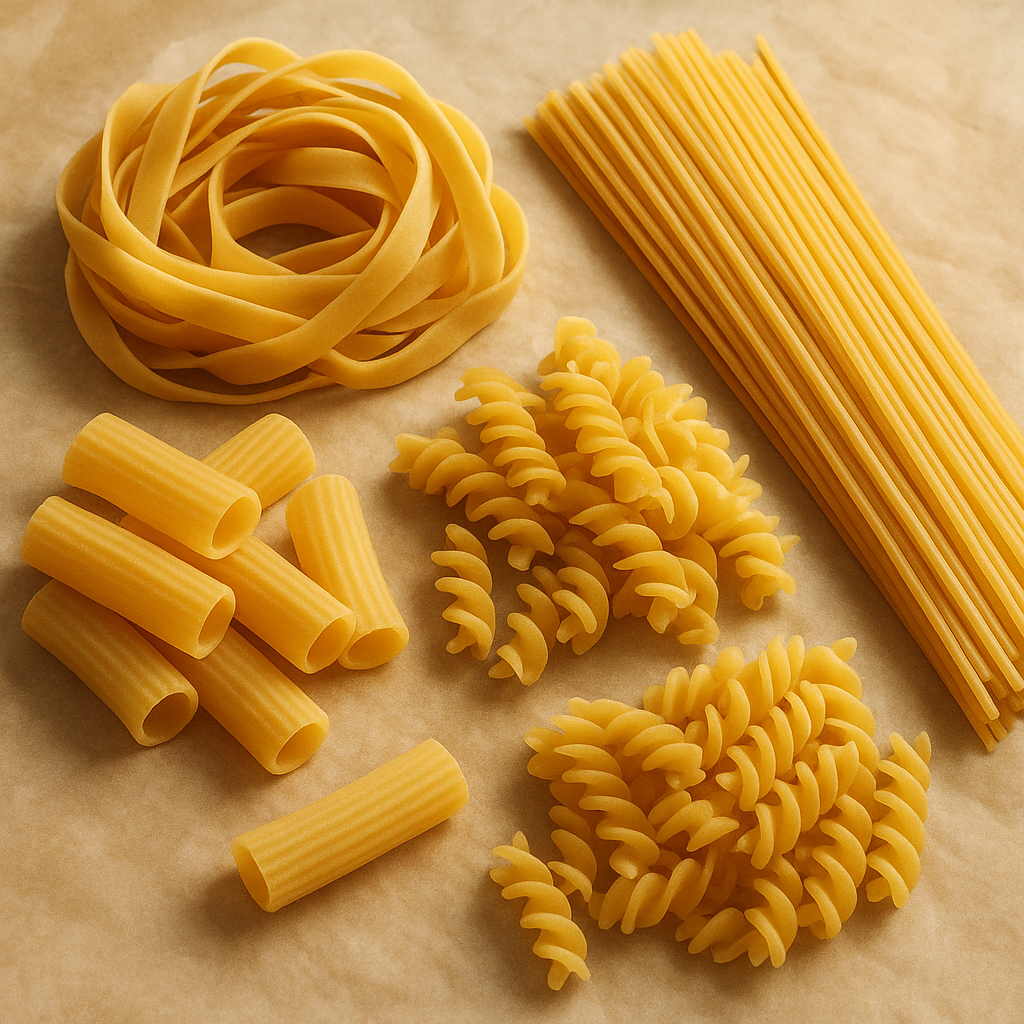
What it is
This is a package of dried pasta, a staple food made from durum wheat semolina and water. It is shaped into various forms, such as spaghetti, penne, or macaroni. The drying process preserves the pasta, making it shelf-stable and convenient for long-term storage. It is a versatile base for countless dishes, absorbing flavors from sauces and other ingredients. The texture is firm when cooked al dente, providing a satisfying bite.
How people cook with it
Dried pasta is a fundamental ingredient in many cuisines worldwide. It serves as the foundation for both simple weeknight meals and more elaborate culinary creations.
- Sauced pasta dishes
- Pasta salads
- Baked pasta casseroles
- Soups
To prepare, bring a large pot of generously salted water to a rolling boil. Add the dried pasta and stir occasionally to prevent sticking. Cook according to package directions until it reaches the desired tenderness, typically al dente. Drain the pasta well, reserving some of the cooking water. Toss immediately with your chosen sauce, or use in a cold salad or baked dish. The reserved pasta water can help emulsify sauces and bind them to the pasta.
How it differs from similar foods
Dried pasta differs from fresh pasta primarily in its moisture content and texture. Dried pasta is hard and brittle, requiring boiling to soften. Fresh pasta is softer, often made with eggs, and cooks much faster. The flavor profile can also vary, with fresh pasta sometimes having a richer taste due to the eggs.
Who it is for
Home cooks and professional chefs alike rely on dried pasta for its accessibility and adaptability in the kitchen.
How to keep the rest
Store unopened packages of dried pasta in a cool, dry place away from direct sunlight. Once opened, transfer any unused pasta to an airtight container to maintain freshness and prevent it from absorbing moisture or odors. Properly stored, it can last for a very long time.