
Grocery
Dried Pasta
What it is
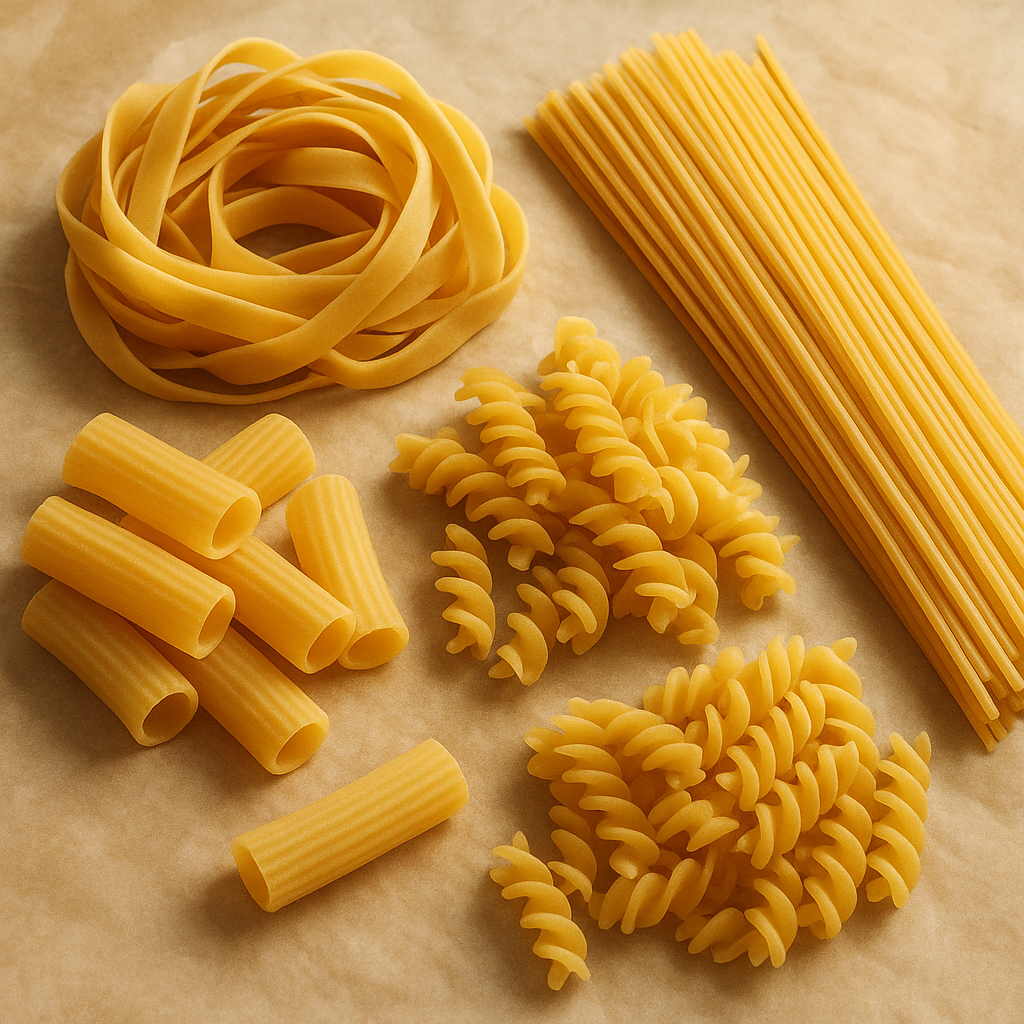
This is dried pasta, a staple food made from durum wheat semolina and water. It is formed into various shapes and then dried to remove moisture, which allows it to be stored for long periods. The drying process also contributes to its firm texture when cooked. It is a versatile ingredient that forms the base of many meals.
How people cook with it
Dried pasta is a fundamental ingredient in countless cuisines worldwide. It is typically boiled in water until tender and then combined with sauces or other ingredients.
- Boiled and served with sauce
- Baked in casseroles
- Added to soups
- Used in pasta salads
To prepare dried pasta, bring a large pot of generously salted water to a rolling boil. Add the pasta and stir occasionally to prevent sticking. Cook according to package directions until al dente, which means it is tender but still has a slight bite. Drain the pasta well, reserving some of the cooking water if desired. Toss immediately with your chosen sauce or other ingredients to prevent clumping.
How it differs from similar foods
Dried pasta differs from fresh pasta in its texture and cooking time. Fresh pasta is made with eggs and has a softer, more tender texture, cooking in just a few minutes. Dried pasta, made without eggs and with less moisture, requires longer cooking and holds its shape well in dishes.
Who it is for
Home cooks and professional chefs rely on dried pasta for its convenience and adaptability in creating diverse dishes.
How to keep the rest
Store dried pasta in a cool, dry place in an airtight container or its original packaging. This prevents moisture absorption and keeps it fresh for extended periods. Properly stored, it can last for a year or more.