
Grocery
Fresh Passion Fruit
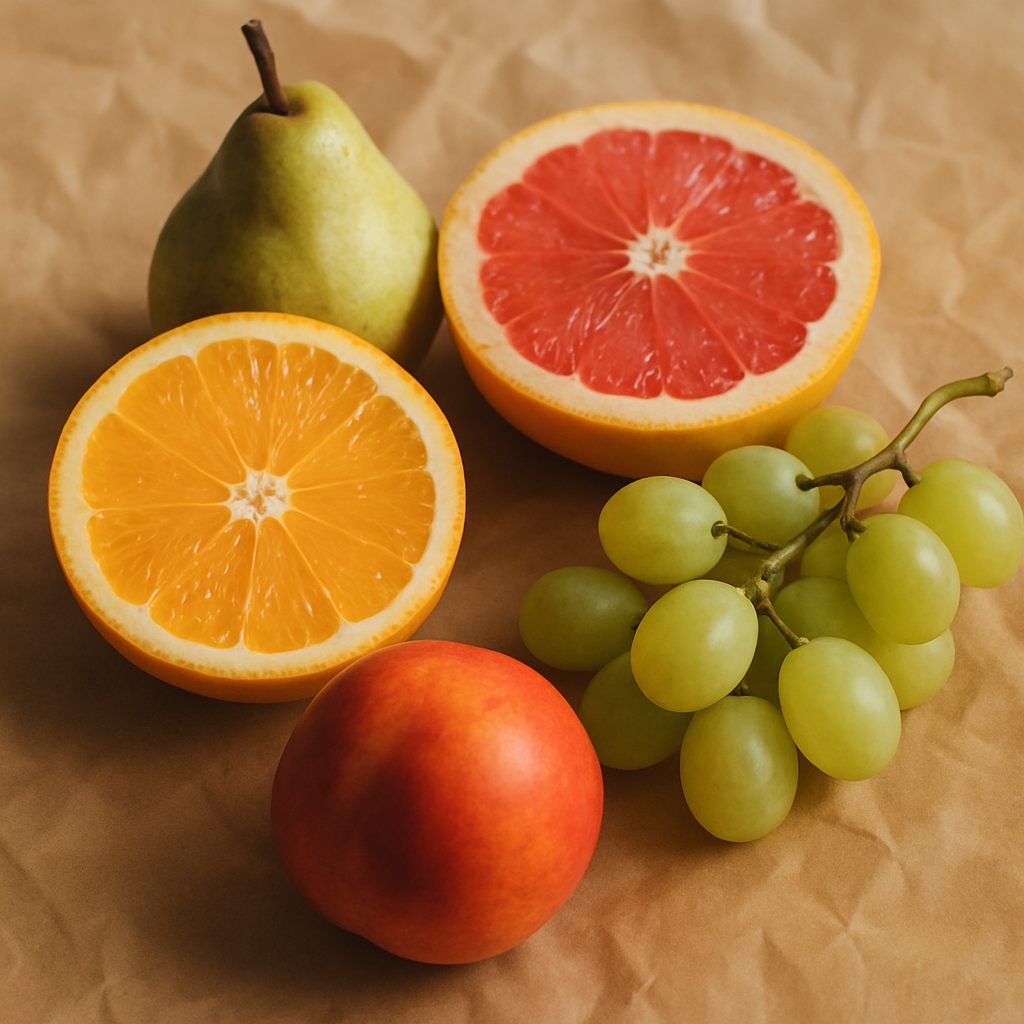
What it is
This is a tropical fruit known for its vibrant, aromatic pulp. The exterior is typically a deep purple or yellow, while the interior contains numerous small, edible seeds surrounded by a jelly-like, intensely flavored pulp. The seeds offer a slight crunch, contrasting with the smooth, tart, and sweet flesh. It is a unique fruit that brings a burst of exotic flavor to many dishes.
How people cook with it
Passion fruit is a versatile ingredient used in both sweet and savory preparations. Its distinctive taste can elevate simple dishes or be the star of a complex creation.
- Juices and smoothies
- Dessert toppings
- Marinades for meats
- Cocktail garnishes
To access the pulp, slice the fruit in half horizontally. You can then scoop out the contents with a spoon. The pulp and seeds are edible and can be used as is. For a smoother texture, you can strain the pulp to separate the seeds, though many enjoy the textural contrast they provide. The juice can be extracted for use in beverages or sauces. It pairs well with dairy, other fruits, and even certain spices.
How it differs from similar foods
Compared to other fruits, passion fruit offers a more intense tartness and a distinct floral aroma. Its unique combination of sweet and sour notes sets it apart from more common fruits like berries or citrus. The presence of edible seeds also provides a textural element not found in many other fruit pulps.
Who it is for
Home cooks and professional chefs alike appreciate passion fruit for its distinctive flavor profile and exotic appeal.
How to keep the rest
Unripe passion fruit can be left at room temperature to ripen. Once ripe, store them in the refrigerator to extend their freshness for about a week. The pulp can also be frozen in an airtight container for longer storage.