
Grocery
Party Pink Sanding Sugar
What it is
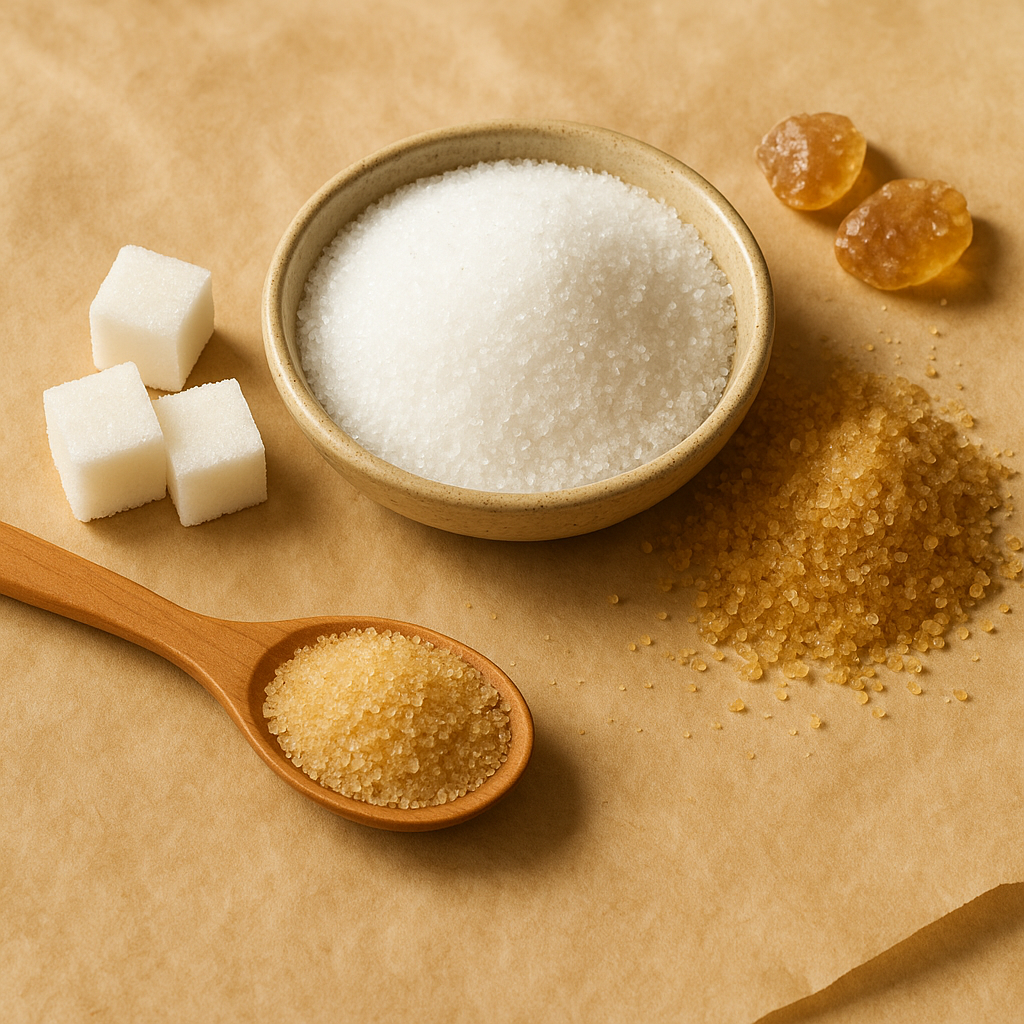
This is a type of granulated sugar that has been colored a vibrant pink and processed to have a slightly larger, more irregular crystal shape than regular granulated sugar. The larger crystals catch the light and provide a distinct sparkle and texture. It is commonly used for decorative purposes in baking and confectionery. The fine, uniform grains ensure even distribution when applied to baked goods, making it a popular choice for adding a festive touch.
How people cook with it
This sugar is primarily used to add visual appeal and a subtle crunch to sweet treats. It's a simple way to elevate the presentation of homemade desserts.
- Decorating cookies
- Topping cupcakes
- Sprinkling on cakes
- Adding sparkle to candies
Sanding sugar is best applied to baked goods after they have been frosted or glazed. A light dusting is often sufficient to achieve the desired decorative effect. For cookies, it can be pressed gently into the dough before baking, or sprinkled onto the surface once they are out of the oven and still warm. It can also be incorporated into homemade candies or used to rim glasses for special beverages. The bright color makes it stand out against lighter backgrounds.
How it differs from similar foods
Unlike fine granulated sugar, sanding sugar's larger, irregular crystals provide a more noticeable sparkle and a slightly firmer texture. It does not dissolve as readily as regular sugar, allowing its decorative effect to remain visible on finished products. Its vibrant color is also a key differentiator.
Who it is for
Home bakers and professional decorators use this sugar to add a festive and colorful element to their creations.
How to keep the rest
To maintain its quality and prevent clumping, store any unused sanding sugar in an airtight container in a cool, dry place. Avoid exposure to moisture, which can cause the sugar crystals to stick together and lose their sparkle. Keeping it sealed will also protect it from absorbing odors from other pantry items.