
Culinary Tours
Culinary Tours Parmesan Cheese
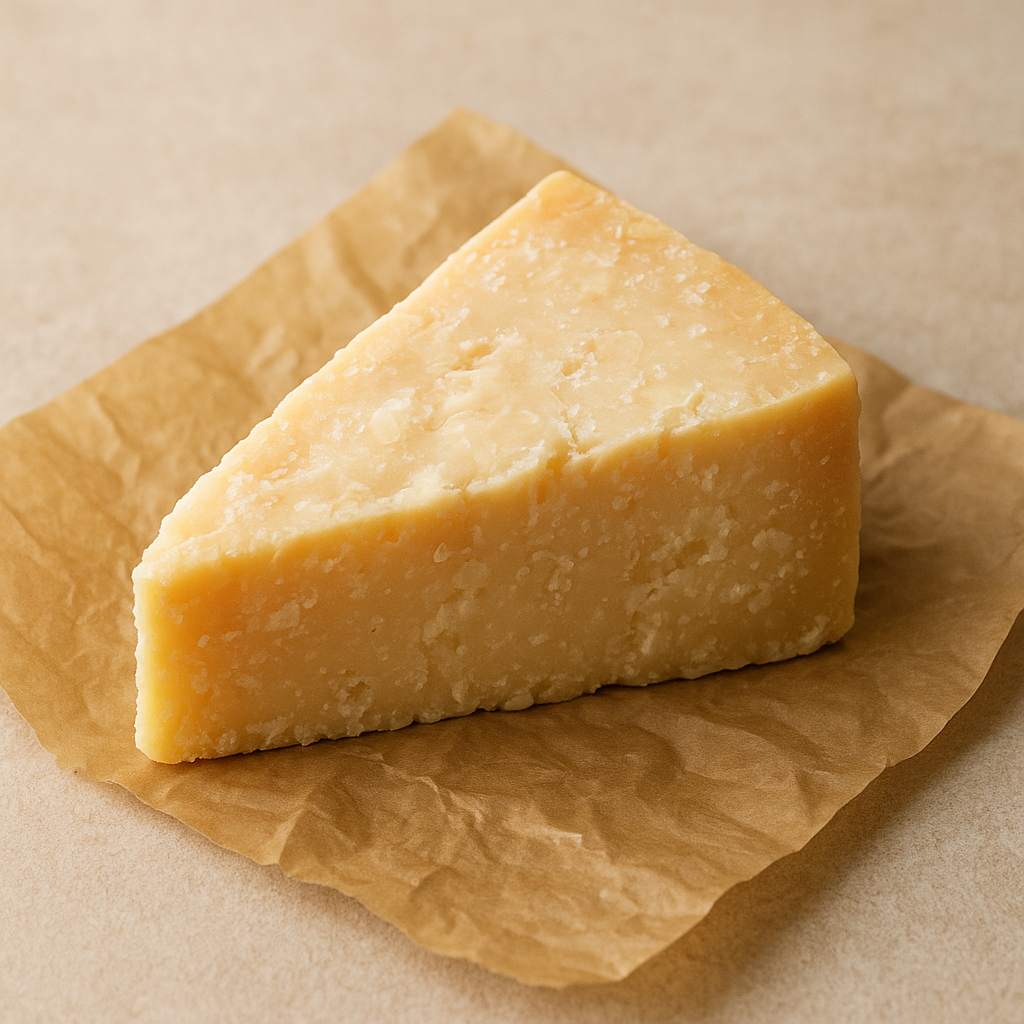
What it is
This is a hard, dry cheese made from cow's milk. It is aged for a significant period, which develops its characteristic sharp, nutty, and slightly fruity flavor. The texture is granular and crumbly, making it easy to grate. It is a staple in many cuisines, particularly Italian cooking, where its intense flavor adds depth to dishes.
How people cook with it
Parmesan cheese is incredibly versatile in the kitchen. It can be used both as a finishing touch and as a foundational flavor component.
- Grated over pasta dishes
- Added to soups and stews
- Baked into gratins
- Shaved onto salads
The best way to use this Parmesan is often by grating it fresh. A fine grater will produce a powdery result perfect for melting into sauces or dusting over finished plates. For larger pieces, a coarser grater works well. It can also be shaved thinly with a vegetable peeler for elegant garnishes. When cooking, it can be stirred into risottos towards the end or incorporated into breadcrumb coatings for fried foods to add a savory note. Its robust flavor means a little goes a long way.
How it differs from similar foods
Compared to softer cheeses, this Parmesan has a much lower moisture content due to its extended aging. This results in a firmer texture and a more concentrated, complex flavor profile. It does not melt smoothly like mozzarella but rather softens and browns beautifully, adding a distinct umami quality.
Who it is for
Home cooks and professional chefs alike appreciate its distinct flavor and texture.
How to keep the rest
After opening, wrap the remaining cheese tightly in plastic wrap or place it in an airtight container. Store it in the refrigerator. This helps to prevent it from drying out and absorbing other odors from the fridge. It can be stored for several weeks.