
Grocery
Unrefined Whole Cane Sugar
What it is
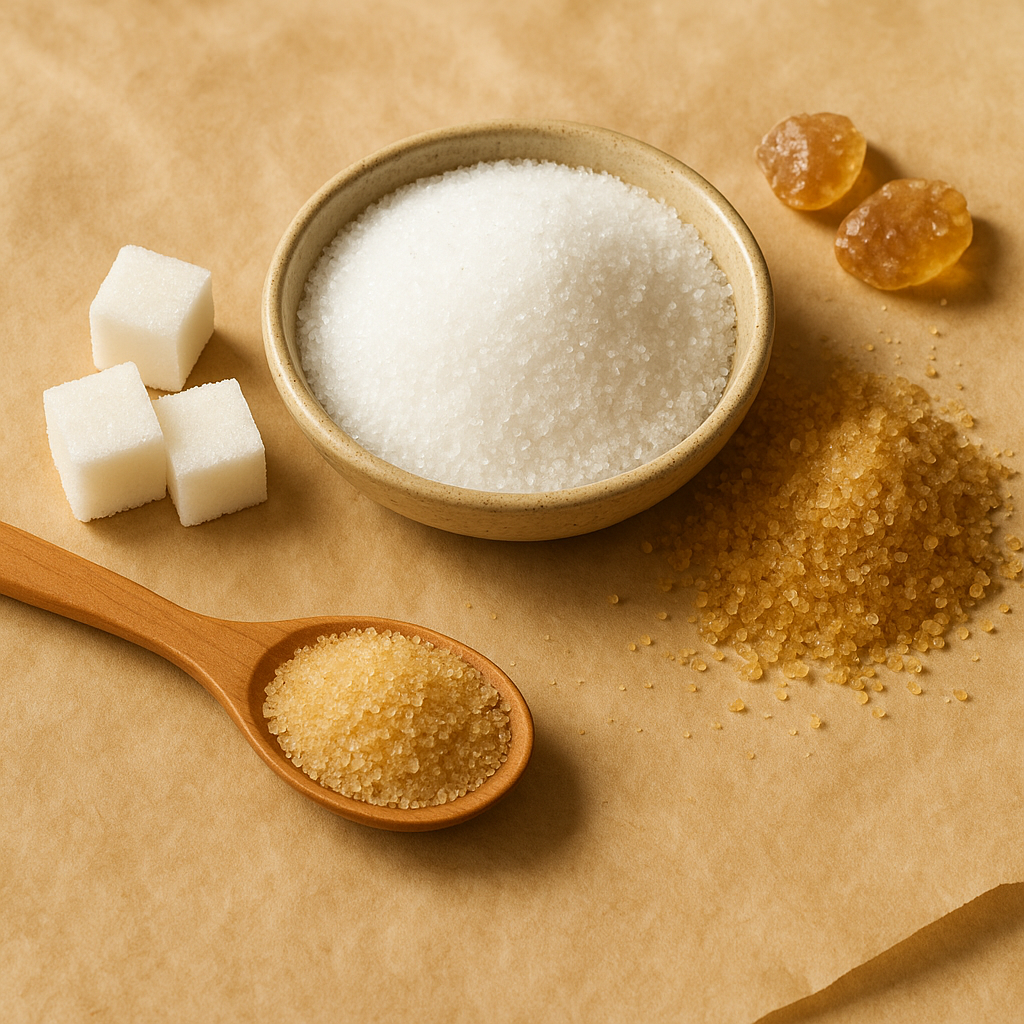
Panela is an unrefined whole cane sugar, also known as piloncillo or jaggery in other regions. It is made by evaporating the water from freshly pressed sugarcane juice. Unlike refined white sugar, panela retains its natural molasses content, giving it a distinct flavor and color. It is typically sold in solid cones or blocks. This sugar is a staple in many Latin American kitchens.
How people cook with it
Panela is a versatile sweetener that can be used in both sweet and savory dishes. Its unique flavor adds depth and character to a wide range of recipes.
- Sweetening beverages
- Baking cakes and cookies
- Making traditional desserts
- Glazing meats
To use panela, you will need to grate or shave it from the cone or block. The amount used can be adjusted to taste, but it is generally sweeter than granulated sugar, so start with a smaller quantity. It can be dissolved in liquids for use in drinks like coffee or tea, or melted down to create syrups for desserts. Panela can also be incorporated directly into doughs and batters for baked goods, imparting its rich flavor and a slightly darker hue. For savory applications, it can be melted and used as a glaze for roasted meats or as a component in marinades.
How it differs from similar foods
Panela differs from refined white sugar by its unrefined nature. It contains molasses, which gives it a caramel-like flavor and a darker, brownish color. This molasses content also contributes to a slightly different texture and sweetness profile compared to the pure sucrose found in white sugar.
Who it is for
Home cooks and bakers looking for a more flavorful and less processed sugar option will find panela appealing.
How to keep the rest
To store leftover panela, ensure it is kept in an airtight container in a cool, dry place. This will prevent it from absorbing moisture and becoming sticky or hard. If it does become hard, it can often be softened by placing it in a damp cloth for a short period.