
Grocery
Original Sour Cream
What it is
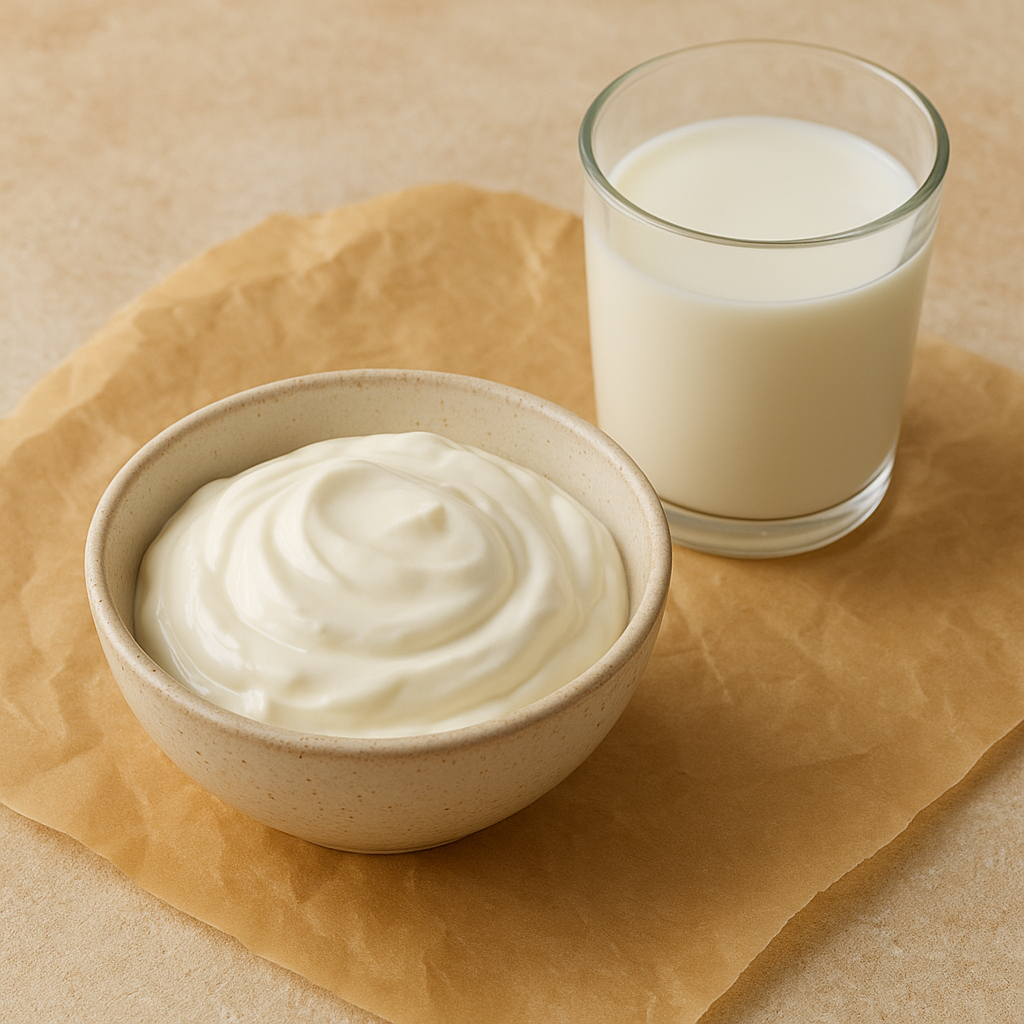
This is a cultured dairy product made by fermenting regular cream with lactic acid bacteria. The fermentation process gives it a distinctive tangy flavor and a thick, creamy texture. It is a versatile ingredient commonly found in many kitchens. The original variety is typically the standard offering, without added flavors or thickeners beyond what is natural to the souring process.
How people cook with it
Sour cream is a staple for adding richness and a touch of acidity to a wide range of dishes. It can be used as a topping, a binder, or a base for sauces and dips.
- Topping for baked potatoes
- Base for creamy dips
- Enriching soups and stews
- Adding moisture to baked goods
When incorporating sour cream into hot dishes, it's best to temper it first to prevent curdling. This involves gradually whisking a small amount of the hot liquid from your dish into the sour cream before adding the mixture back to the pot. This gentle introduction helps the sour cream adjust to the heat. It can also be dolloped directly onto finished dishes or stirred into sauces and batters. For dips, it is often combined with herbs, spices, or other flavorings.
How it differs from similar foods
Original sour cream has a balanced tanginess and a smooth, thick consistency. Some other sour cream products might be labeled as 'light' or 'low-fat,' which can affect their texture and richness. Flavored sour creams will have added ingredients for specific taste profiles, whereas the original focuses on the natural souring flavor.
Who it is for
Home cooks and professional chefs alike use original sour cream to enhance the flavor and texture of their culinary creations.
How to keep the rest
Keep any unused portion of the sour cream refrigerated in its original container or a tightly sealed airtight container. Proper storage will help maintain its freshness and prevent it from absorbing other odors in the refrigerator. It is best to consume it within the recommended timeframe after opening.