
Grocery
Original Sour Cream
What it is
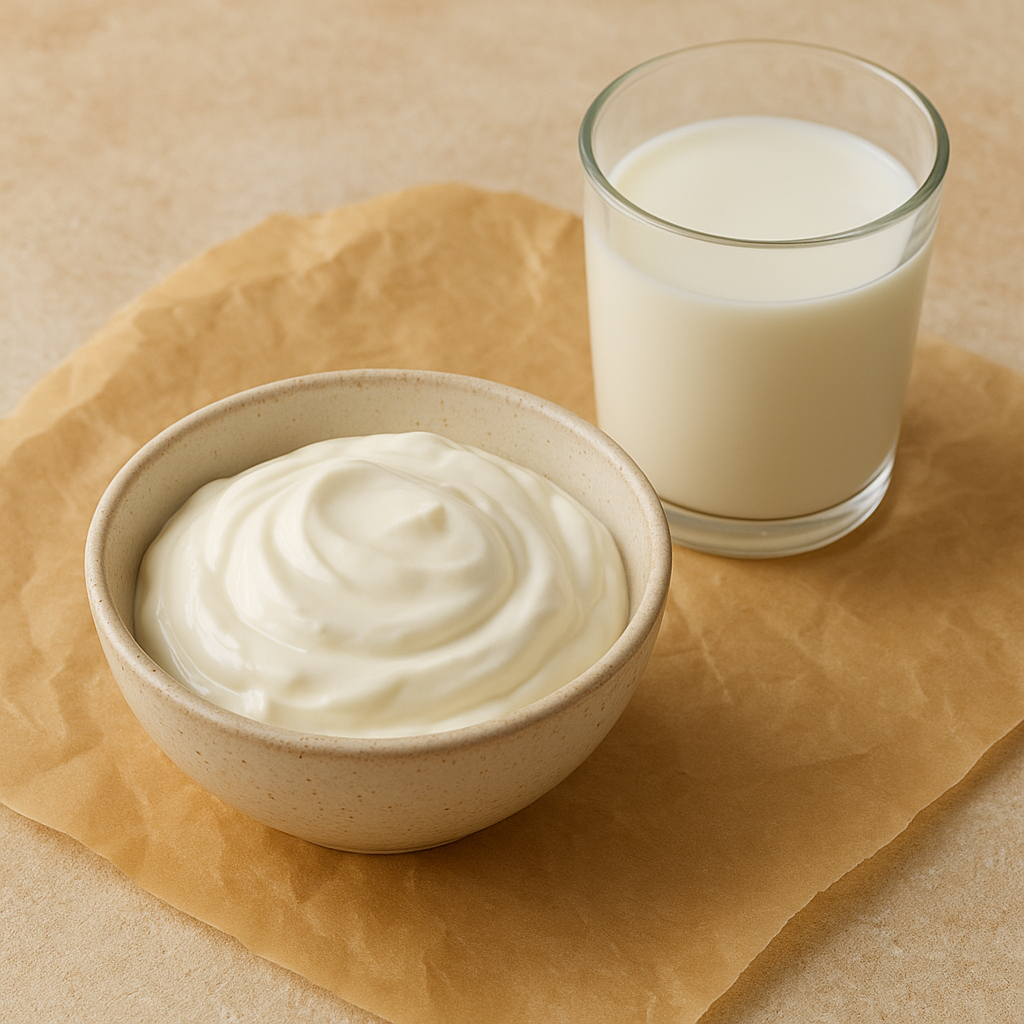
This is a cultured dairy product made by fermenting regular cream with lactic acid bacteria. The fermentation process gives it a characteristic tangy flavor and thick texture. It is a common ingredient in many cuisines, adding richness and a subtle sour note to both sweet and savory dishes. Its smooth consistency makes it versatile for blending and topping.
How people cook with it
Sour cream is a staple in many kitchens, used to enhance a wide variety of foods. It can be stirred into sauces or used as a cooling dollop on spicy dishes.
- Topping for baked potatoes
- Base for dips and dressings
- Enriching soups and stews
- Adding moisture to baked goods
Sour cream can be incorporated into recipes during cooking or added as a finishing touch. When heating, it is best to temper it first by mixing a small amount with the hot liquid before adding it to the main pot. This helps prevent curdling. It is also excellent when stirred into mashed potatoes, casseroles, or chilis to add creaminess and a mild tang. For dips, it forms the foundation for many popular combinations, blended with herbs, spices, or vegetables.
How it differs from similar foods
Compared to other creams, sour cream has a distinct tang from the culturing process. It is also typically thicker than heavy cream and less rich than crème fraîche. Its acidity can also react differently in baked goods, sometimes contributing to a tender crumb.
Who it is for
Home cooks and professional chefs alike use sour cream to add depth and texture to their culinary creations.
How to keep the rest
After opening, store any unused sour cream in its original container in the refrigerator. Ensure the lid is tightly sealed to maintain freshness and prevent absorption of odors from other foods. It is best consumed within the recommended timeframe after opening for optimal flavor and quality.