
H-E-B
H-E-B Organics Apple Cider Vinegar
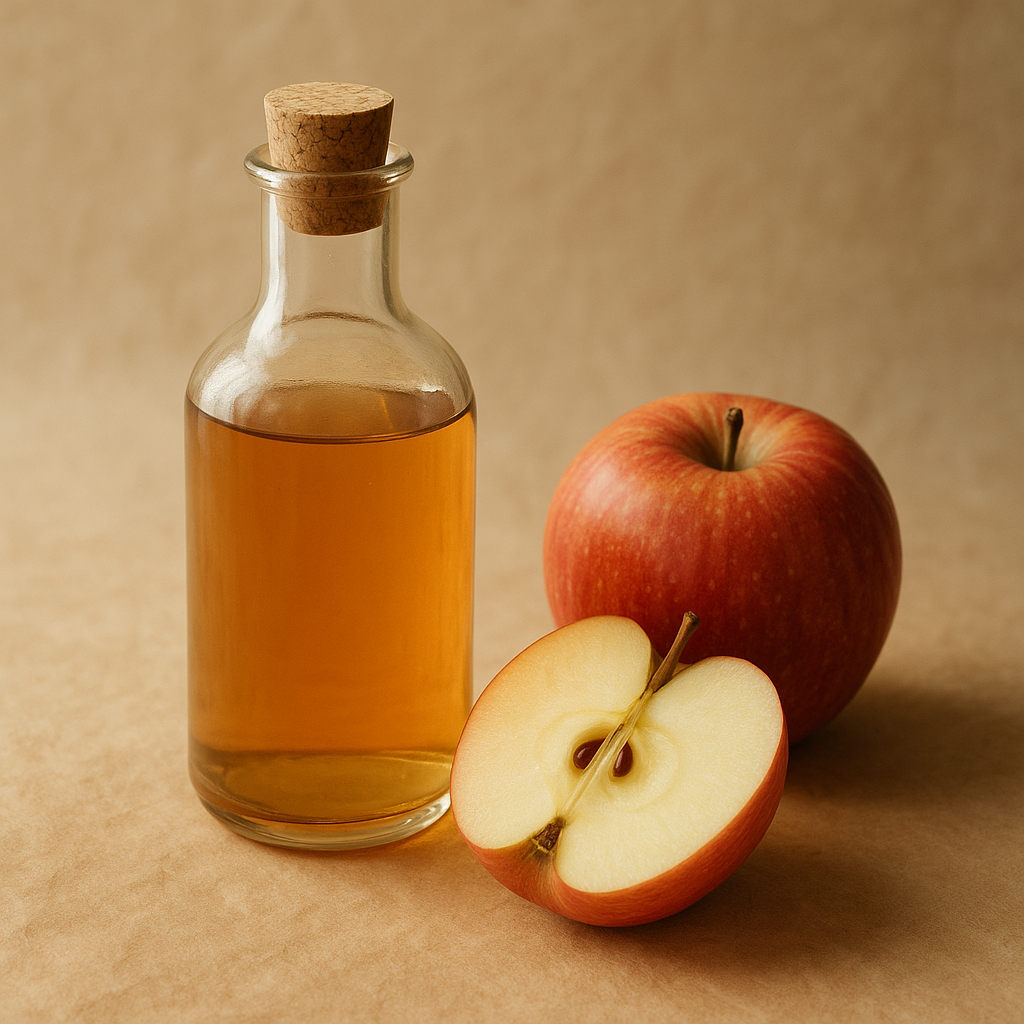
What it is
This is a fermented apple juice that has been processed to create a vinegar. It has a distinct tart and slightly sweet flavor profile. The organic certification means it is produced without synthetic pesticides or fertilizers. It is a versatile ingredient commonly found in kitchens for both culinary and household uses. This vinegar is known for its characteristic cloudy appearance due to the presence of the 'mother,' a colony of beneficial bacteria and enzymes.
How people cook with it
Apple cider vinegar is a staple in many kitchens, used for a variety of purposes. Its acidic nature makes it useful in both cooking and cleaning.
- Salad dressings
- Marinades
- Pickling
- Household cleaning
In cooking, it adds a bright tang to dishes. It is a key component in many vinaigrettes, balancing the richness of oils. It can tenderize meats when used in marinades, imparting a subtle fruity note. It's also used to create quick pickles for vegetables, adding a zesty crunch. Beyond the kitchen, its acidity makes it effective for cleaning surfaces, removing hard water stains, and as a natural deodorizer. It can be diluted with water for various applications.
How it differs from similar foods
Compared to white distilled vinegar, apple cider vinegar has a milder, fruitier flavor. Its color is also a distinguishing factor, ranging from pale yellow to amber, whereas white vinegar is clear. The presence of the 'mother' in unfiltered varieties sets it apart from highly filtered vinegars.
Who it is for
Home cooks and individuals looking for natural ingredients for their kitchen and household needs.
How to keep the rest
After opening, store the bottle in a cool, dark place, such as a pantry or cupboard. Refrigeration is not typically necessary, but it can help preserve the quality and flavor over a longer period. Ensure the cap is tightly sealed to prevent evaporation and contamination.