
Grocery
Organic whole vitamin d milk
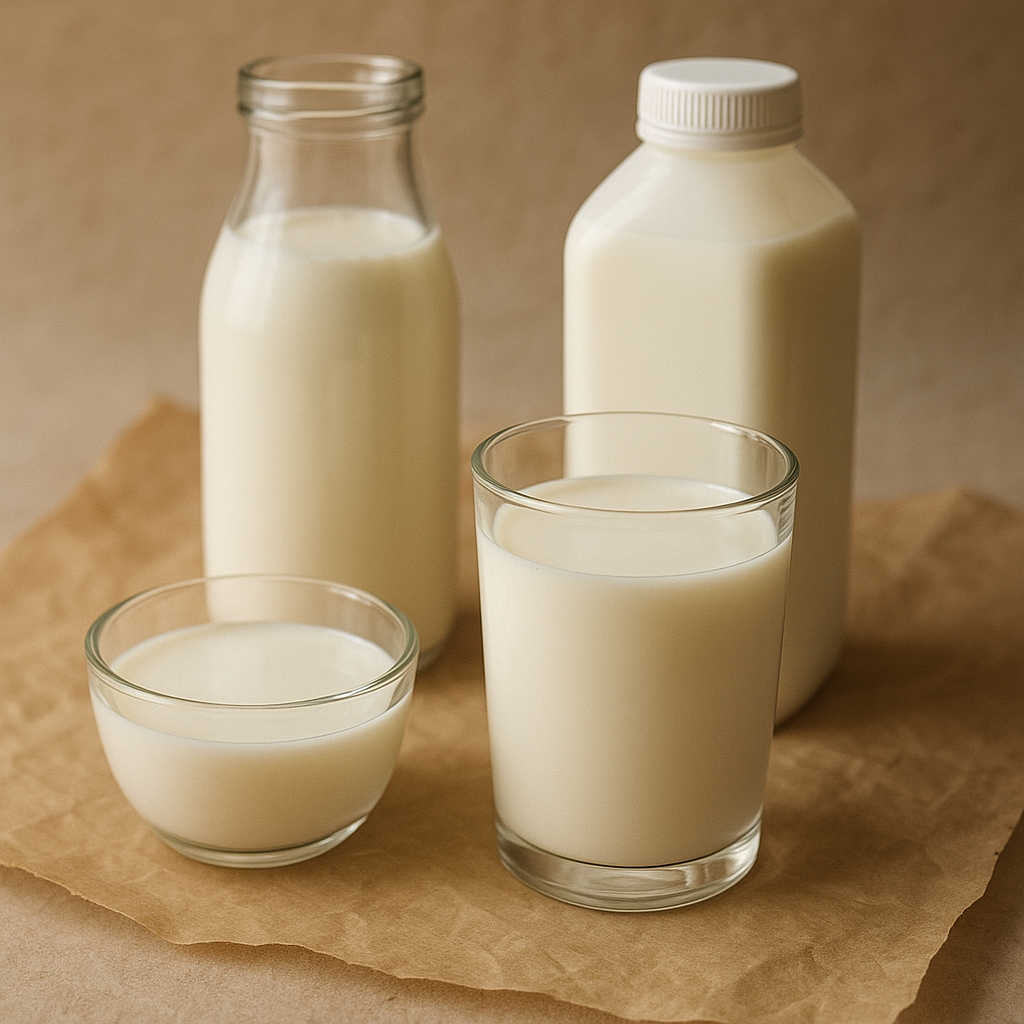
What it is
Organic milk comes from cows that are raised without the use of synthetic growth hormones or antibiotics. The milk is pasteurized to ensure safety and a longer shelf life. Whole milk contains a higher fat content compared to reduced-fat or skim varieties, which contributes to its rich flavor and creamy texture.
How people cook with it
Whole milk is a versatile staple in many kitchens, used in both sweet and savory preparations.
- Drinking straight from a glass
- Adding to cereal
- Baking cakes and cookies
- Making creamy sauces
This milk can be enjoyed chilled as a beverage on its own. It is also commonly poured over breakfast cereals, granola, or oatmeal to add moisture and a subtle sweetness. In baking, whole milk contributes richness and tenderness to cakes, muffins, and quick breads. It is an essential component for creating smooth, velvety sauces, gravies, and custards. When cooking, it can be used to thin out batters or to add body to soups and stews. Its fat content makes it ideal for recipes where a richer mouthfeel is desired.
How it differs from similar foods
Compared to lower-fat milks, whole milk has a higher fat content, resulting in a creamier texture and a richer, more full-bodied flavor. The organic certification indicates specific farming practices were followed in its production, distinguishing it from conventional milk.
Who it is for
Home cooks and families who appreciate the taste and texture of whole milk and prefer organic products will find this milk useful.
How to keep the rest
After opening, store the milk in its original container in the refrigerator. Keep it away from light and strong odors. It is best to consume the milk within the timeframe recommended on the packaging after opening to maintain its freshness and quality.