
Grocery
Organic Vitamin D Milk
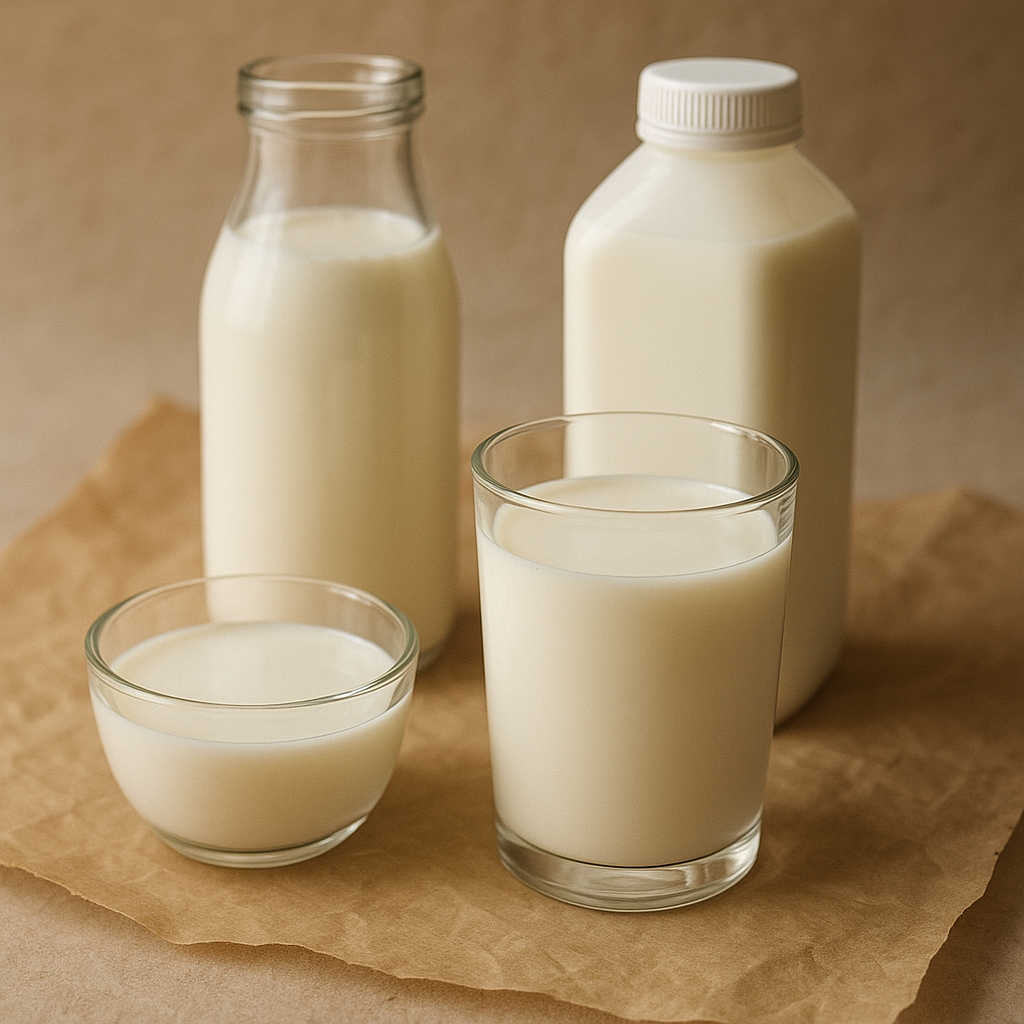
What it is
Organic milk comes from cows that are raised without the use of antibiotics or synthetic growth hormones. The cows are also fed organic feed, which means the feed is grown without synthetic pesticides or fertilizers. This milk is a common dairy product found in many households.
How people cook with it
Milk is a versatile ingredient used in both sweet and savory dishes, as well as enjoyed on its own.
- Drinking with cereal
- Baking cakes and cookies
- Making creamy sauces
- Adding to coffee or tea
This milk can be used in many ways. It is often consumed directly from a glass as a beverage. It is a key component in many baked goods, providing moisture and richness to cakes, muffins, and cookies. It can also be heated and used as a base for creamy soups, chowders, and sauces. For beverages, it can be blended into smoothies or simply added to coffee or tea to alter its flavor and texture. It is a staple for breakfast, often poured over cereal or oatmeal.
How it differs from similar foods
Organic milk differs from conventional milk primarily in its production methods. Organic farming practices prohibit the use of synthetic pesticides, herbicides, and genetically modified organisms in feed. Additionally, organic standards often include requirements for animal welfare, such as access to pasture.
How to keep the rest
After opening, this milk should be kept refrigerated at or below 40°F (4°C) to maintain freshness and prevent spoilage. It is best to consume the milk before the expiration date printed on the carton. Ensure the carton is tightly sealed between uses.