
Simple Truth
Simple Truth Organic Sweet Potatoes
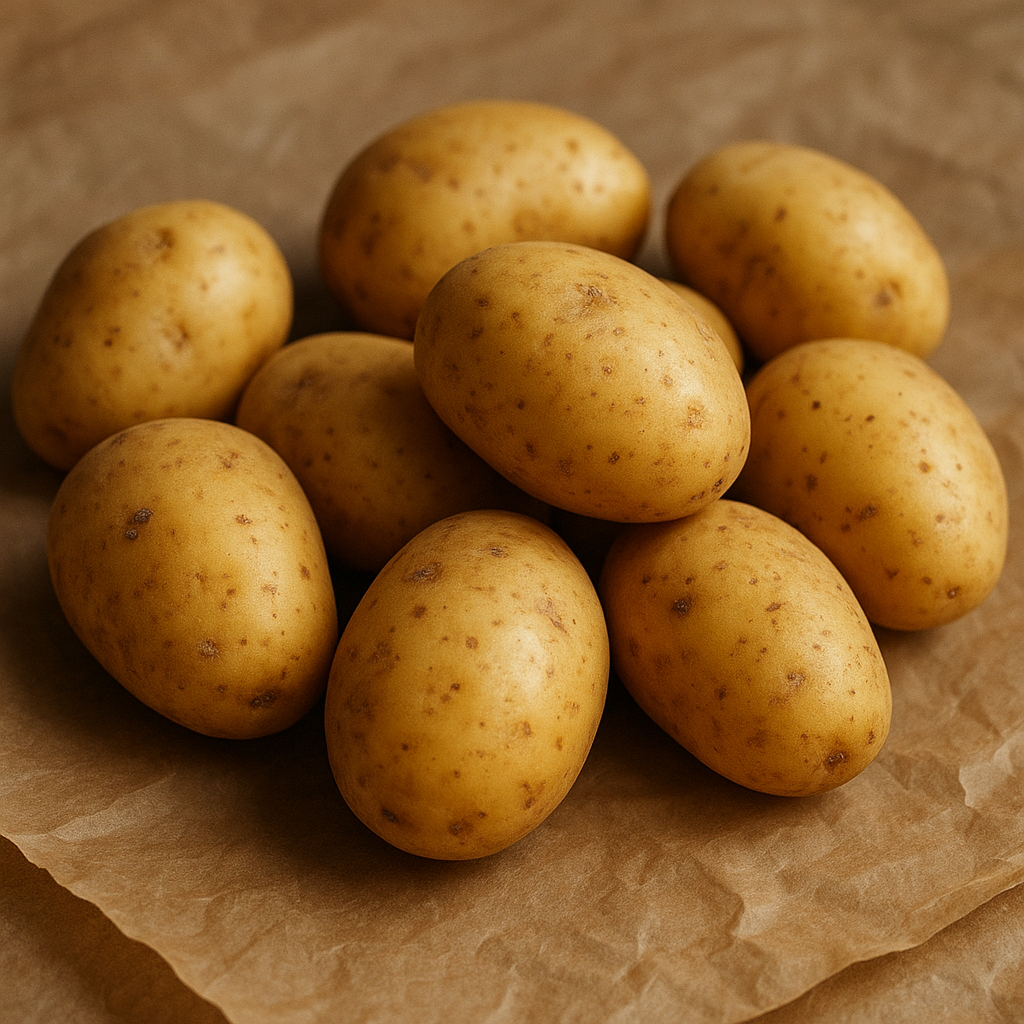
What it is
These are whole, organic sweet potatoes grown without synthetic pesticides or fertilizers. They have a vibrant orange flesh and a naturally sweet flavor. Sweet potatoes are root vegetables known for their dense texture and versatility in the kitchen. They are a good source of carbohydrates and offer a distinct taste profile that sets them apart from other root vegetables.
How people cook with it
Sweet potatoes can be prepared in many ways, from simple baking to more complex dishes. Their natural sweetness makes them suitable for both savory and sweet applications.
- Baked whole
- Mashed as a side
- Cubed for roasting
- Pureed for soups
To prepare, simply wash the sweet potatoes thoroughly. You can bake them whole in the oven until tender, about 45-60 minutes depending on size. For roasting, peel and cut them into cubes or wedges, toss with oil and seasonings, and roast at a high temperature until caramelized. They can also be boiled or steamed and then mashed or pureed. Their natural sweetness pairs well with spices like cinnamon, nutmeg, and chili powder, as well as herbs like rosemary and thyme.
How it differs from similar foods
Compared to regular potatoes, sweet potatoes have a softer, more moist texture when cooked and a distinctly sweeter flavor. Their flesh is also typically a brighter orange, indicating a different nutrient profile. They hold their shape well when roasted but can become very soft when boiled, making them ideal for mashing.
Who it is for
Home cooks looking for a versatile and naturally sweet root vegetable to incorporate into their meals.
How to keep the rest
Store uncooked sweet potatoes in a cool, dark, and dry place, such as a pantry or cellar. Avoid refrigerating them, as this can affect their texture and flavor. Ensure they have good air circulation to prevent spoilage. They will keep for several weeks when stored properly.