
White House
White House Organic Raw Unfiltered Apple Cider Vinegar
What it is
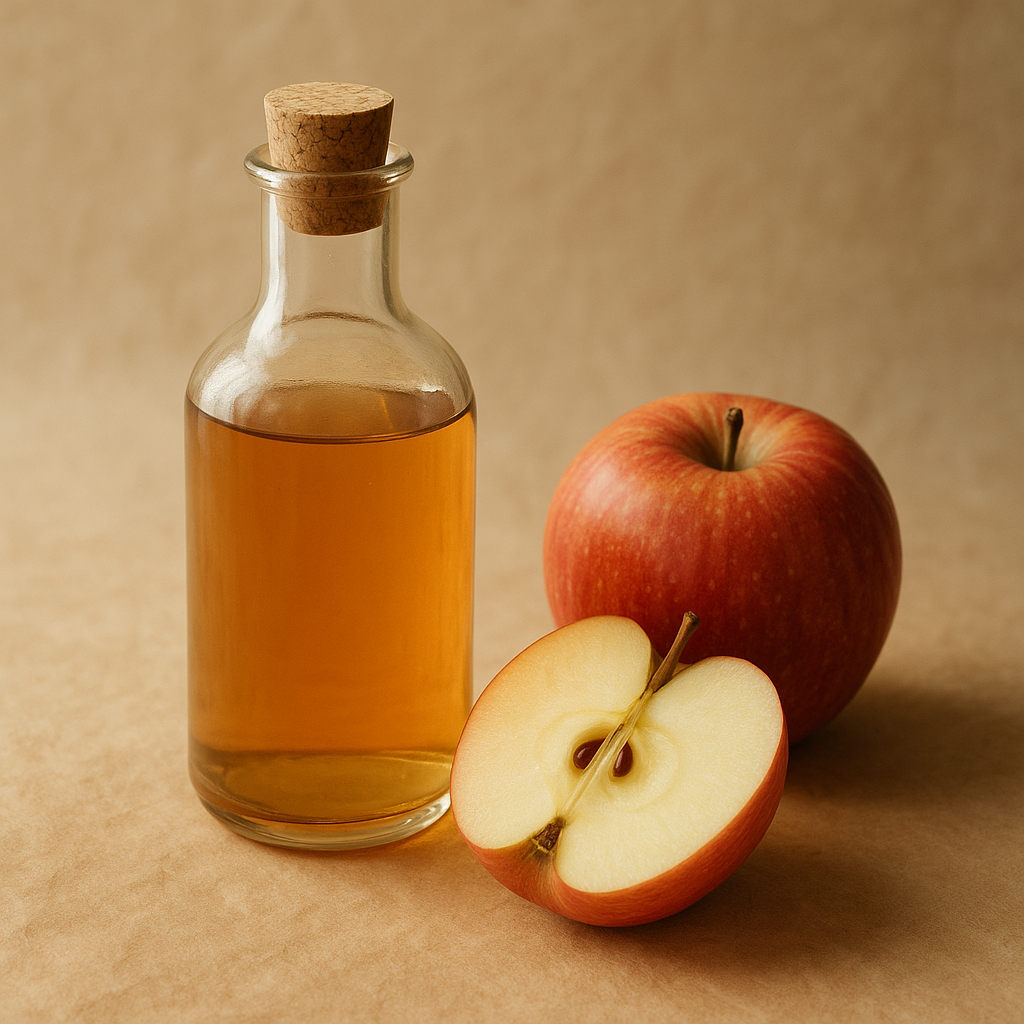
This is a bottle of apple cider vinegar made from organic apples. It is raw, meaning it has not been heated or pasteurized, and unfiltered, so it contains the 'mother,' a cloudy substance composed of yeast and bacteria. This vinegar has a distinct tangy flavor and aroma, characteristic of fermented apples. It is a versatile ingredient often found in kitchens for various culinary and household uses.
How people cook with it
Apple cider vinegar is a staple for many home cooks and can be used in a wide range of preparations.
- Salad dressings
- Marinades
- Pickling brines
- Homemade beverages
In cooking, apple cider vinegar adds a bright, acidic note to dishes. It can be incorporated into salad dressings, where its tartness balances richer ingredients. It is also a common component in marinades for meats, helping to tenderize and add flavor. For preserving foods, it forms the base of many pickling brines. Beyond the kitchen, some people use it in homemade cleaning solutions or as a base for drinks, often diluted with water.
How it differs from similar foods
Unlike filtered apple cider vinegar, the raw, unfiltered version retains the 'mother.' This cloudy sediment is believed by some to contribute to its unique properties. The raw form may have a slightly more robust flavor profile compared to its pasteurized counterparts, which are often clearer and milder.
Who it is for
Home cooks and individuals interested in natural ingredients often choose this type of vinegar for their kitchens.
How to keep the rest
After opening, it is best to store the apple cider vinegar in a cool, dark place, such as a pantry. While refrigeration is not strictly necessary due to its acidity, it can help preserve its quality over a longer period. Ensure the cap is tightly sealed to prevent evaporation and contamination.