
White House
White House Organic Raw Unfiltered Apple Cider Vinegar
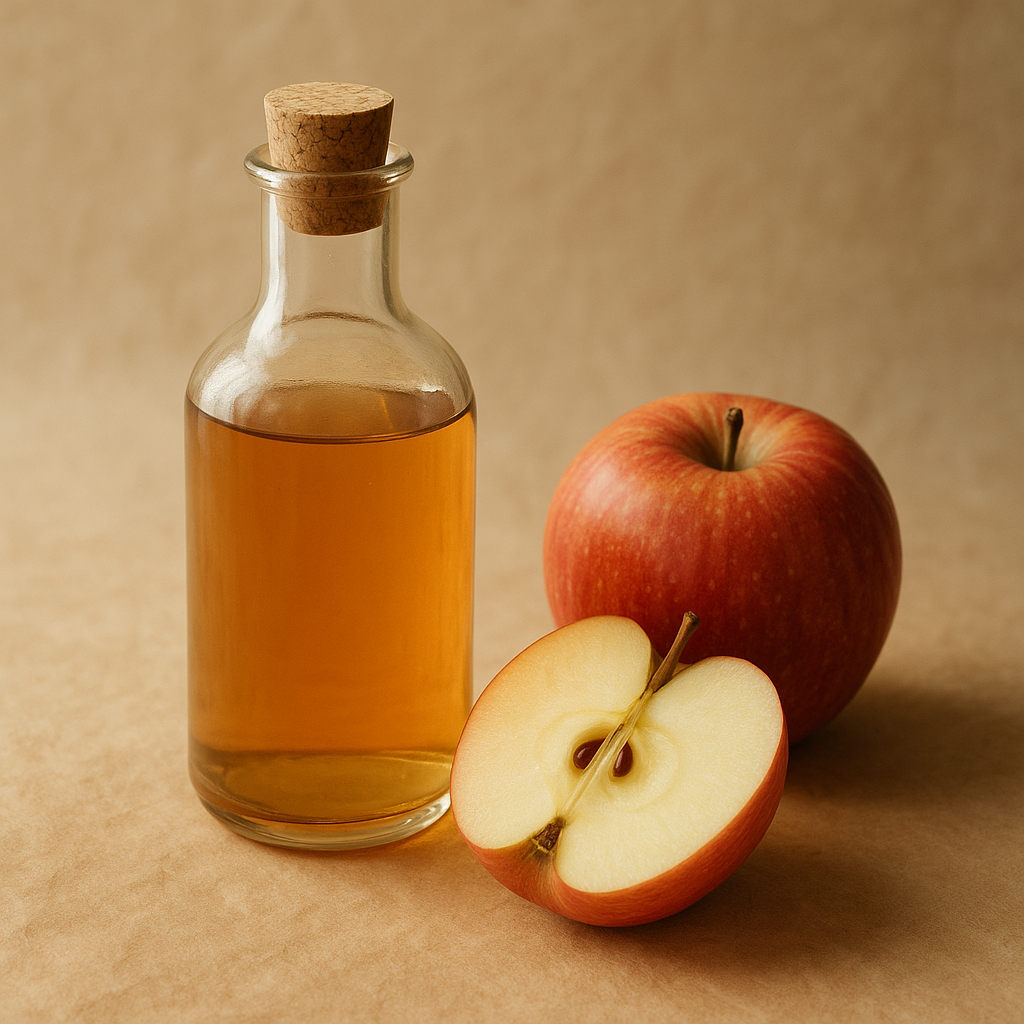
What it is
This is a fermented apple juice that has undergone a two-step process. First, yeast converts the apple sugars into alcohol. Then, acetic acid bacteria convert the alcohol into acetic acid. This results in a potent, tangy liquid. It is not pasteurized or filtered, meaning it retains the 'mother,' a colony of beneficial bacteria and enzymes that can appear as cloudy strands. This vinegar has a distinct aroma and flavor profile.
How people cook with it
Apple cider vinegar is a versatile ingredient found in many kitchens. It can be used in both sweet and savory applications.
- Salad dressings
- Marinades
- Pickling brines
- Beverage mixers
People often use this vinegar to add a sharp, acidic note to dishes. It is a common component in homemade salad dressings, providing a bright counterpoint to oil and herbs. It can also be incorporated into marinades for meats, helping to tenderize them and infuse flavor. For preserving vegetables, it forms the base of many pickling brines. Some individuals also dilute it with water and other ingredients to create a refreshing beverage.
How it differs from similar foods
Unlike filtered apple cider vinegars, this raw, unfiltered version contains the 'mother.' This natural sediment can affect the clarity and texture of the vinegar. The unfiltered nature is often preferred by those seeking its perceived natural qualities. The flavor can also be more robust and complex.
Who it is for
Home cooks and culinary enthusiasts often choose this vinegar for its traditional preparation and potential versatility in various recipes.
How to keep the rest
To maintain its quality, store the bottle in a cool, dark place, away from direct sunlight. Once opened, it does not require refrigeration. Ensure the cap is tightly sealed after each use to preserve its potency and prevent evaporation.