
North Coast
North Coast Organic Raw Apple Cider Vinegar
What it is
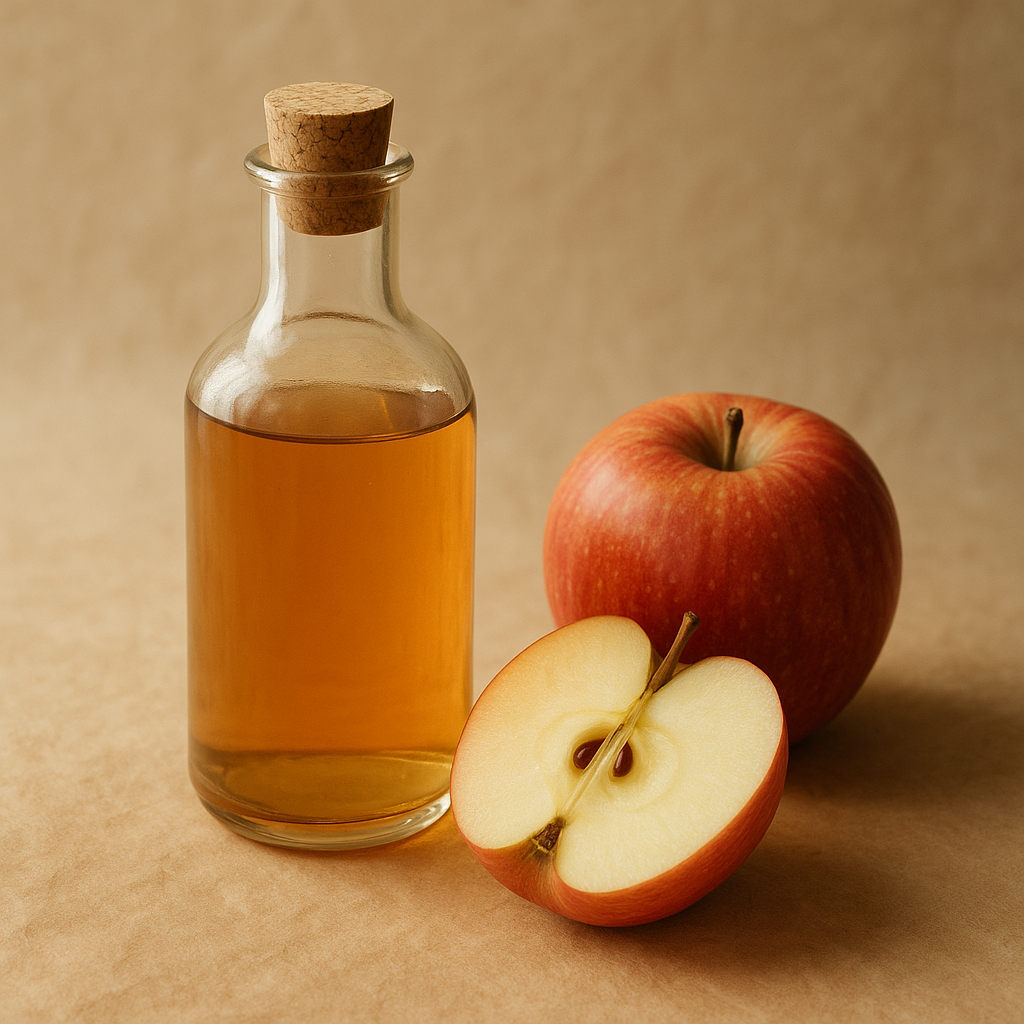
This is a fermented apple juice that has undergone a two-step process. First, yeast converts the apple sugars into alcohol. Then, acetic acid bacteria convert the alcohol into acetic acid, which gives vinegar its characteristic sour taste and pungent aroma. It is unfiltered and unpasteurized, meaning it retains a cloudy appearance and contains the 'mother,' a beneficial colony of bacteria and enzymes.
How people cook with it
Apple cider vinegar is a versatile ingredient used in both cooking and everyday life.
- Salad dressings
- Marinades
- Pickling brine
- Homemade tonics
It can be used as a base for vinaigrettes, adding a tangy depth to your favorite salad dressings. In marinades, it helps tenderize meats and adds a bright flavor. It's also a common component in pickling brines for vegetables, providing the necessary acidity for preservation and taste. Some people also incorporate a diluted amount into beverages for a daily health ritual. Its sharp flavor can cut through richness in dishes.
How it differs from similar foods
Unlike distilled white vinegar, which is clear and sharp, raw apple cider vinegar has a more complex, fruity flavor profile. Its cloudy appearance and the presence of the 'mother' distinguish it from filtered and pasteurized vinegars, which are often clearer and have a less pronounced taste.
How to keep the rest
To maintain its quality, store the unopened bottle in a cool, dark place. Once opened, it can be kept at room temperature or refrigerated. The 'mother' may continue to grow, which is normal. Ensure the cap is tightly sealed after each use.