
Grocery
Organic Pumpkin Seeds
What it is
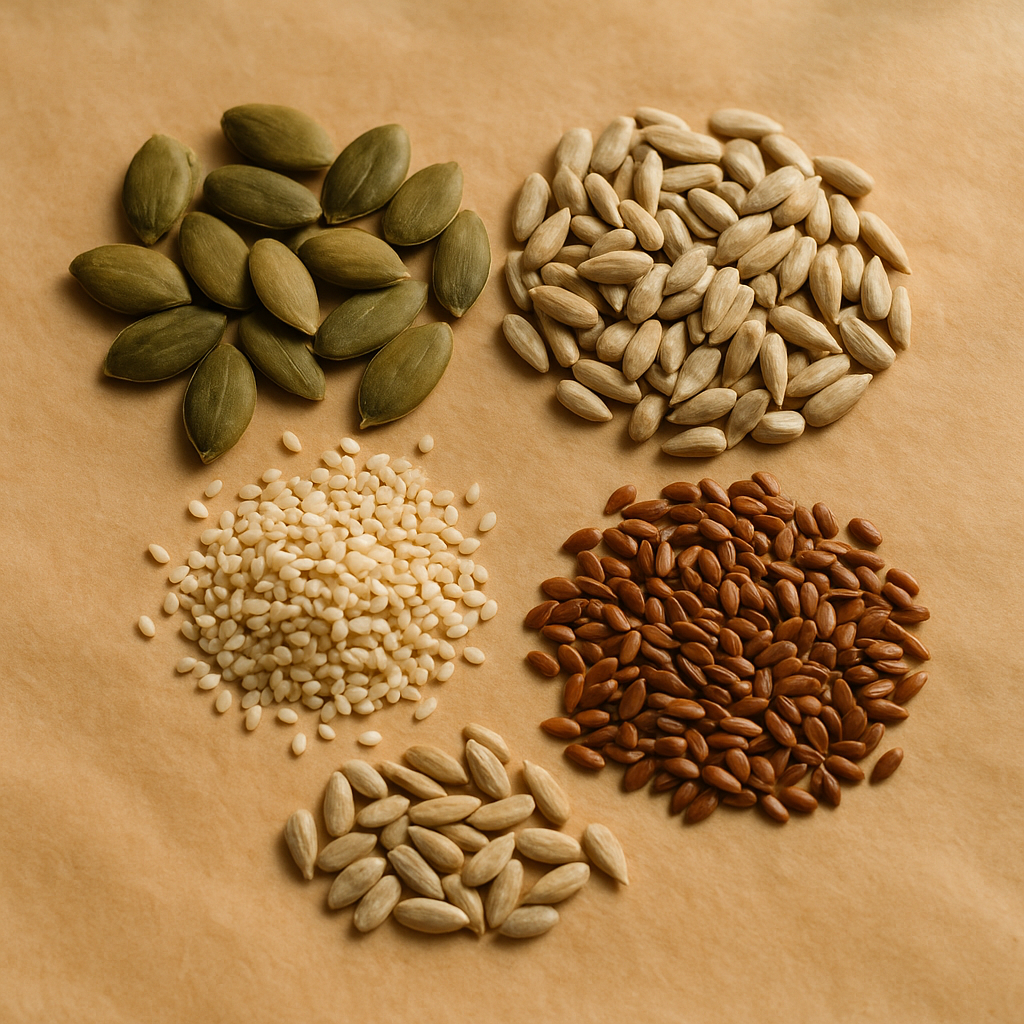
These are the edible seeds from a pumpkin, specifically grown using organic farming practices. They are typically flat and oval-shaped, with a light green hull that can be eaten or removed. Organic farming means they are cultivated without synthetic pesticides, herbicides, or fertilizers, adhering to specific environmental standards. These seeds are a popular snack and ingredient, valued for their texture and mild, nutty flavor. They are often sold shelled or unshelled.
How people cook with it
Pumpkin seeds are versatile in the kitchen, adding a pleasant crunch and subtle flavor to both sweet and savory dishes. They can be enjoyed on their own or incorporated into various culinary creations.
- Toasted as a snack
- Added to salads
- Mixed into baked goods
- Used in granola
Toasted pumpkin seeds offer a delightful crunch. You can toast them in a dry skillet over medium heat, stirring frequently until they are fragrant and lightly browned. Alternatively, spread them on a baking sheet and roast them in a preheated oven. They can also be added raw to dishes. For a sweeter touch, toss them with a little maple syrup or honey before toasting. They are a fantastic topping for soups, yogurt, or oatmeal, and can be blended into pestos or dips for added texture and depth.
How it differs from similar foods
Compared to other seeds like sunflower or sesame, pumpkin seeds have a more substantial, slightly chewy texture when raw and a distinct, earthy flavor when toasted. Their larger size makes them a satisfying snack, and their green hue adds visual appeal to dishes.
Who it is for
Home cooks and snack enthusiasts who appreciate natural ingredients will find these seeds useful.
How to keep the rest
To maintain freshness, store leftover pumpkin seeds in an airtight container in a cool, dry place. For longer storage, they can be kept in the refrigerator or even frozen to preserve their quality and prevent them from becoming rancid. Ensure they are completely dry before sealing them away.