
Natural Directions · 50 g
Natural Directions Organic Lentils
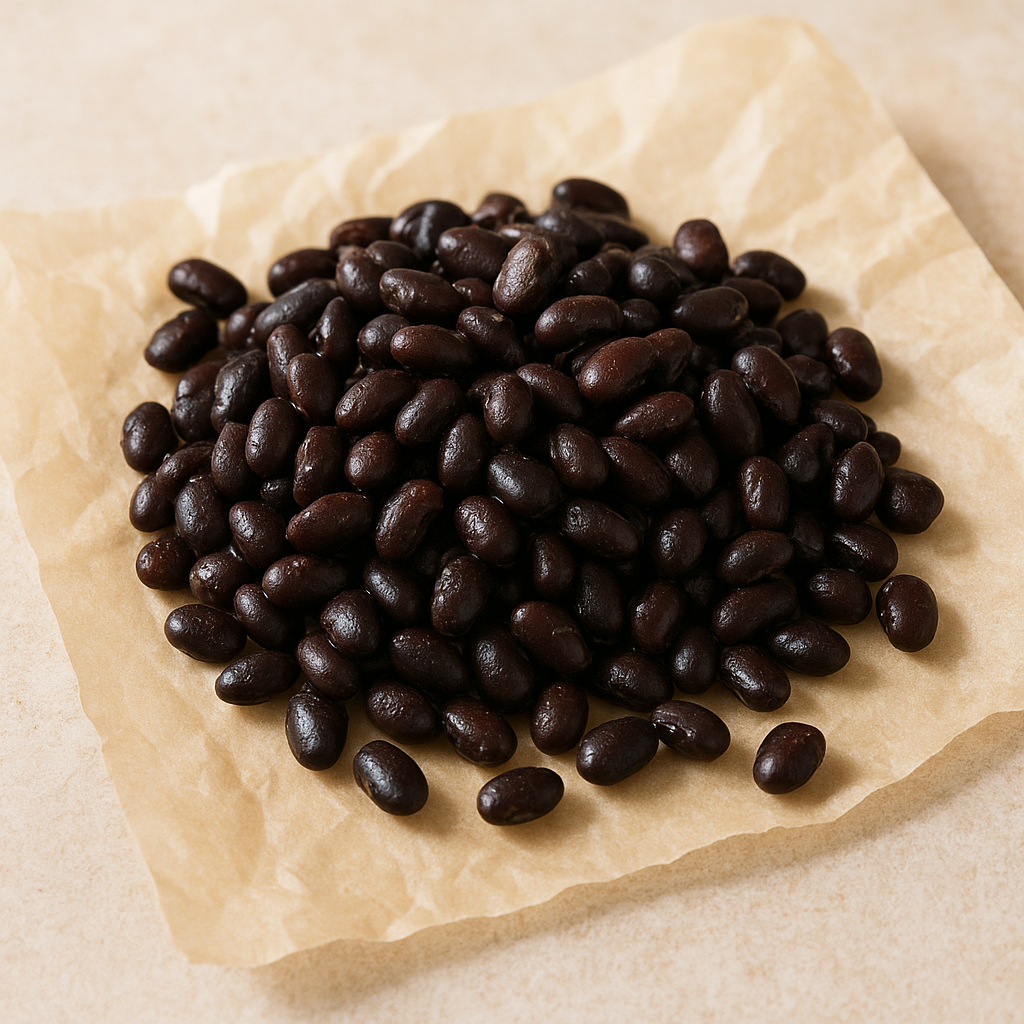
What it is
These are small, dried legumes that are a staple in many cuisines. The organic certification means they were grown without synthetic pesticides or fertilizers. These lentils are typically sold dry and require cooking before consumption. They are a versatile ingredient that can be used in a variety of dishes.
How people cook with it
Lentils are a foundational ingredient for many hearty meals. They absorb flavors well and add substance to soups, stews, and salads.
- Soups and stews
- Salad additions
- Side dishes
- Main courses
Before cooking, rinse the lentils under cold water to remove any debris. While some recipes may call for soaking, many types of lentils, especially smaller ones, do not require it and can be cooked directly. Combine the rinsed lentils with water or broth in a pot, typically at a ratio of one part lentils to three parts liquid. Bring to a boil, then reduce heat and simmer until tender, which usually takes about 20-30 minutes. They can then be seasoned and incorporated into your chosen dish.
How it differs from similar foods
Compared to dried beans, lentils cook much faster and generally do not require pre-soaking. Their smaller size and thinner skins allow them to break down more readily, creating a softer texture in dishes. Different varieties of lentils can also offer subtle differences in flavor and how well they hold their shape after cooking.
Who it is for
Home cooks looking for a versatile and quick-cooking pantry staple will find these lentils useful.
How to keep the rest
Store any unused dry lentils in an airtight container in a cool, dry place. This helps maintain their freshness and prevents them from absorbing moisture or odors. Properly stored, they can last for a long time, though it is best to use them within a year for optimal quality.