
Grocery
Organic Green Olives
What it is
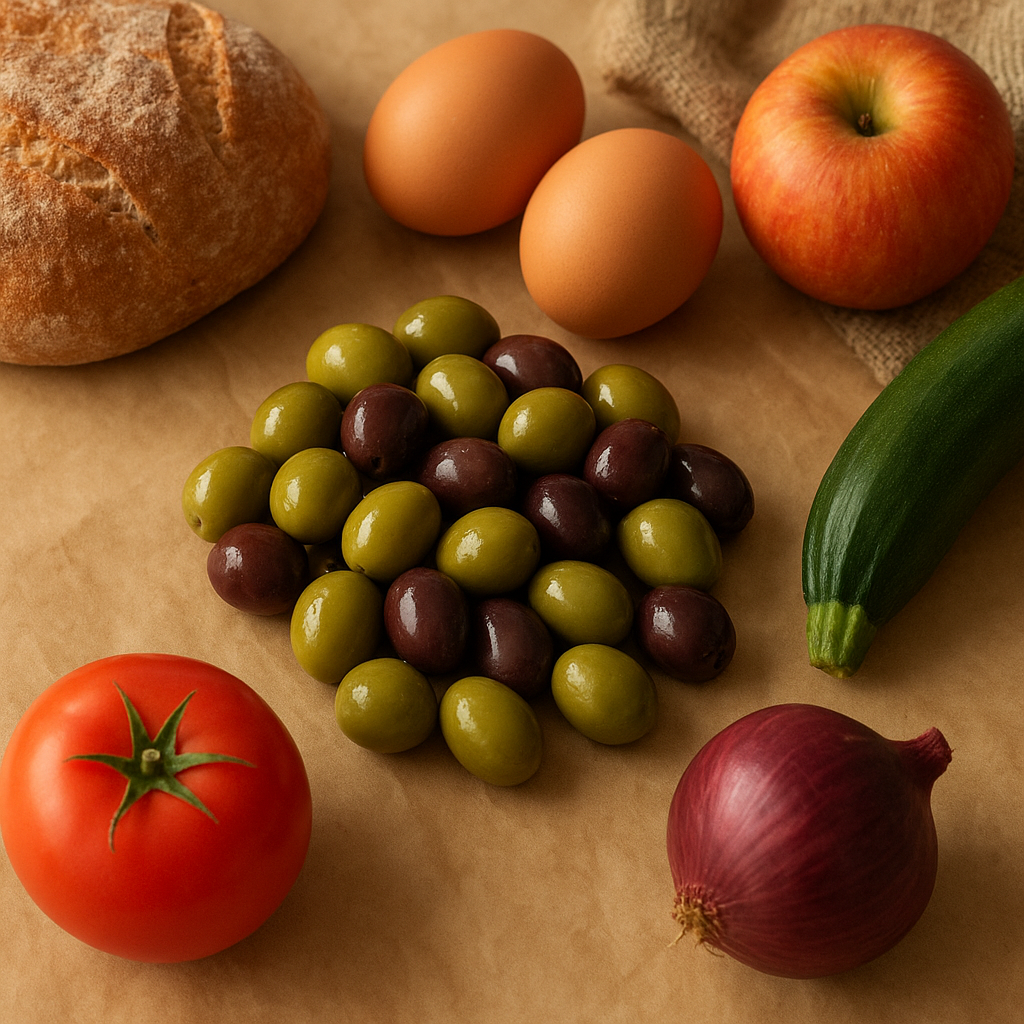
These are whole green olives, preserved in brine. They are typically harvested before they are fully ripe, giving them a firmer texture and a brighter, more vegetal flavor compared to black olives. The organic certification means they are grown without synthetic pesticides or fertilizers, adhering to specific farming practices. They are often pitted for convenience, making them ready to use in various dishes or as a snack.
How people cook with it
Green olives add a briny, savory element to many culinary creations. They are versatile and can be enjoyed in both simple and complex preparations.
- Added to salads
- Used in pasta sauces
- Stuffed with cheese
- Served as an appetizer
Before using, it is often recommended to rinse the olives to remove excess brine, which can be quite salty. They can be added directly to dishes like pasta sauces, stews, or casseroles during the cooking process to infuse their flavor. For salads, they can be tossed in whole or sliced. They are also frequently used as a stuffing ingredient, with small pockets carved out and filled with ingredients such as pimento, garlic, or various cheeses. Their firm texture holds up well to heat.
How it differs from similar foods
Compared to black olives, green olives generally have a more pronounced, slightly bitter, and herbaceous flavor profile. Their texture is also firmer and crisper. The brining process is key to their preservation and taste, and different brining methods can result in subtle variations in saltiness and tang.
Who it is for
Home cooks and professional chefs alike appreciate green olives for their distinct taste and texture.
How to keep the rest
After opening the container, transfer any unused olives and their brine to an airtight container and refrigerate. This helps maintain their freshness and prevents them from drying out. They should be consumed within a reasonable timeframe to ensure optimal quality and flavor.