
Grocery · 16 oz
Organic Coconut Sugar
What it is
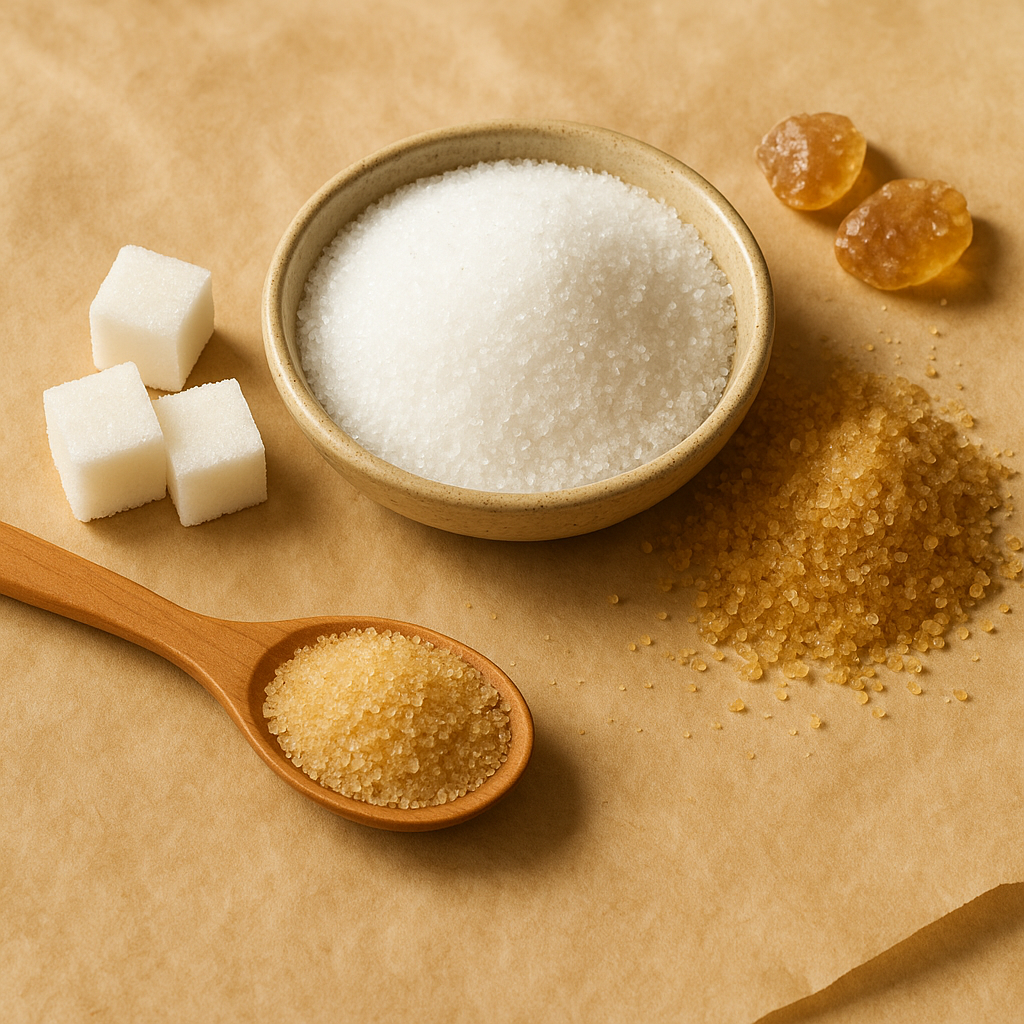
This is a natural sweetener derived from the sap of coconut palm blossoms. The sap is collected, heated to evaporate the water content, and then processed into granulated sugar. The granules are typically a light brown to dark brown color, depending on the processing and caramelization.
How people cook with it
Coconut sugar can be used in a variety of sweetening applications, both in baking and as a direct substitute for other sugars.
- Sweetening baked goods
- Adding to beverages
- Caramelizing sauces
- Sprinkling on fruit
You can substitute coconut sugar for granulated white sugar or brown sugar in most recipes at a 1:1 ratio. It dissolves similarly to brown sugar and can be used in cookies, cakes, muffins, and other baked items. It adds a subtle caramel-like flavor and a slightly moist texture to baked goods. It also works well in savory dishes where a touch of sweetness is desired, such as glazes or marinades. When making caramel, it will produce a darker color than white sugar.
How it differs from similar foods
Compared to refined white sugar, coconut sugar has a lower glycemic index and contains trace amounts of nutrients. Its flavor profile is also distinct, offering a mild caramel undertone that white sugar lacks. It is less processed than many other sweeteners.
Who it is for
Home cooks and bakers looking for alternative sweeteners often choose coconut sugar.
How to keep the rest
To maintain its quality, store coconut sugar in an airtight container in a cool, dry place. This will prevent it from clumping and absorbing moisture. It does not require refrigeration. Ensure the container is sealed tightly after each use.