
Grocery
Organic Coconut Sugar
What it is
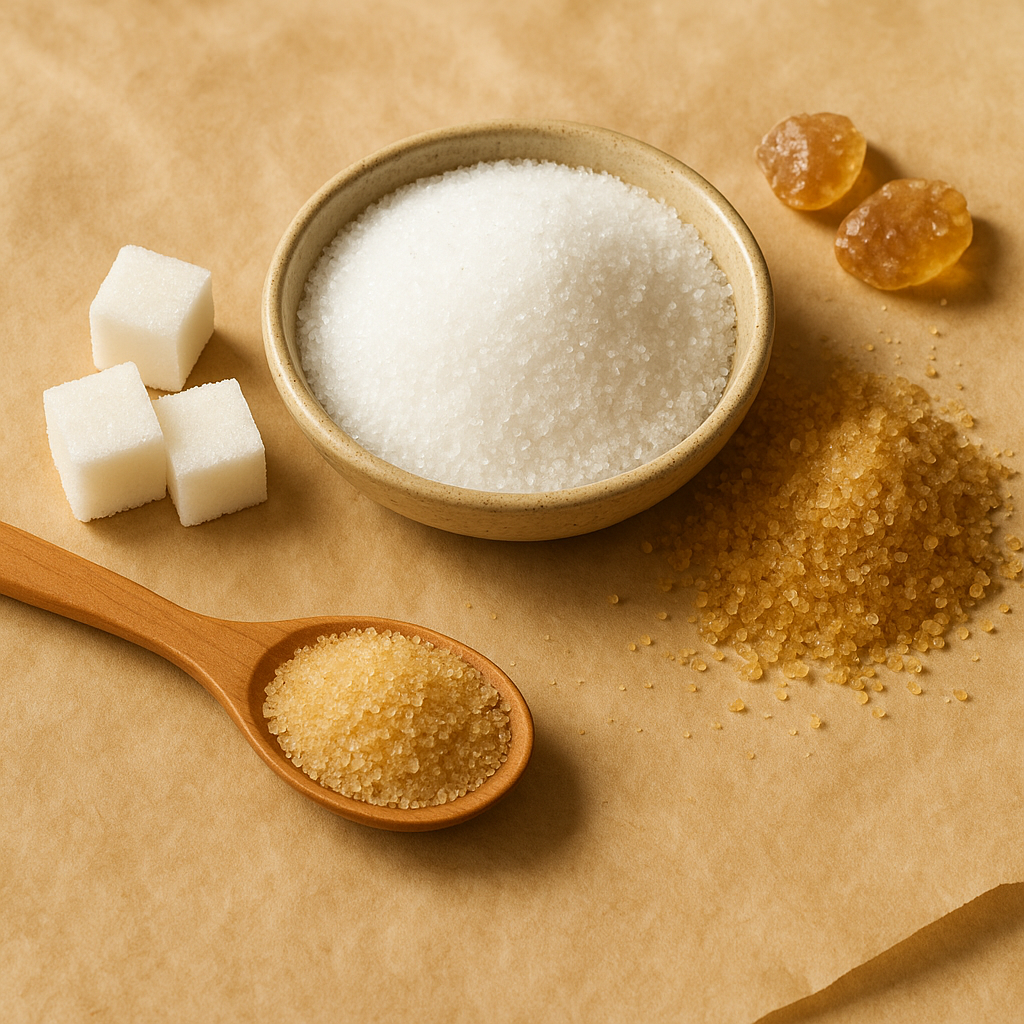
This is a natural sweetener derived from the sap of coconut palm blossoms. It is minimally processed, retaining some of its natural color and a subtle caramel-like flavor. The sugar crystals are typically fine, making it easy to dissolve in liquids and incorporate into various recipes. It is a popular choice for those seeking alternatives to refined white sugar.
How people cook with it
Coconut sugar can be used in many of the same ways as conventional sugar. Its unique flavor profile adds a pleasant depth to both sweet and savory dishes.
- Sweetening baked goods
- Adding to beverages
- Glazing meats
- Caramelizing vegetables
When baking, it can often be substituted one-to-one for granulated sugar. Its slightly coarser texture compared to some refined sugars might require a bit more mixing to ensure it is fully incorporated into batters and doughs. In hot beverages like coffee or tea, it dissolves readily, imparting a gentle sweetness. For savory applications, it can be used to create a balanced flavor in sauces, marinades, and rubs, adding a touch of sweetness that complements other spices and ingredients.
How it differs from similar foods
Its color is a light brown, and it possesses a distinct caramel undertone that is absent in white sugar, which can subtly alter the final taste of a dish.
Who it is for
Home cooks looking for a less refined sweetener option often choose this product.
How to keep the rest
To maintain its quality, store organic coconut sugar in an airtight container in a cool, dry place. This will prevent it from clumping and absorbing moisture from the air. Ensure the container is well-sealed after each use to preserve its texture and flavor.