
Grocery
Organic Cabernet Grapes with Seeds
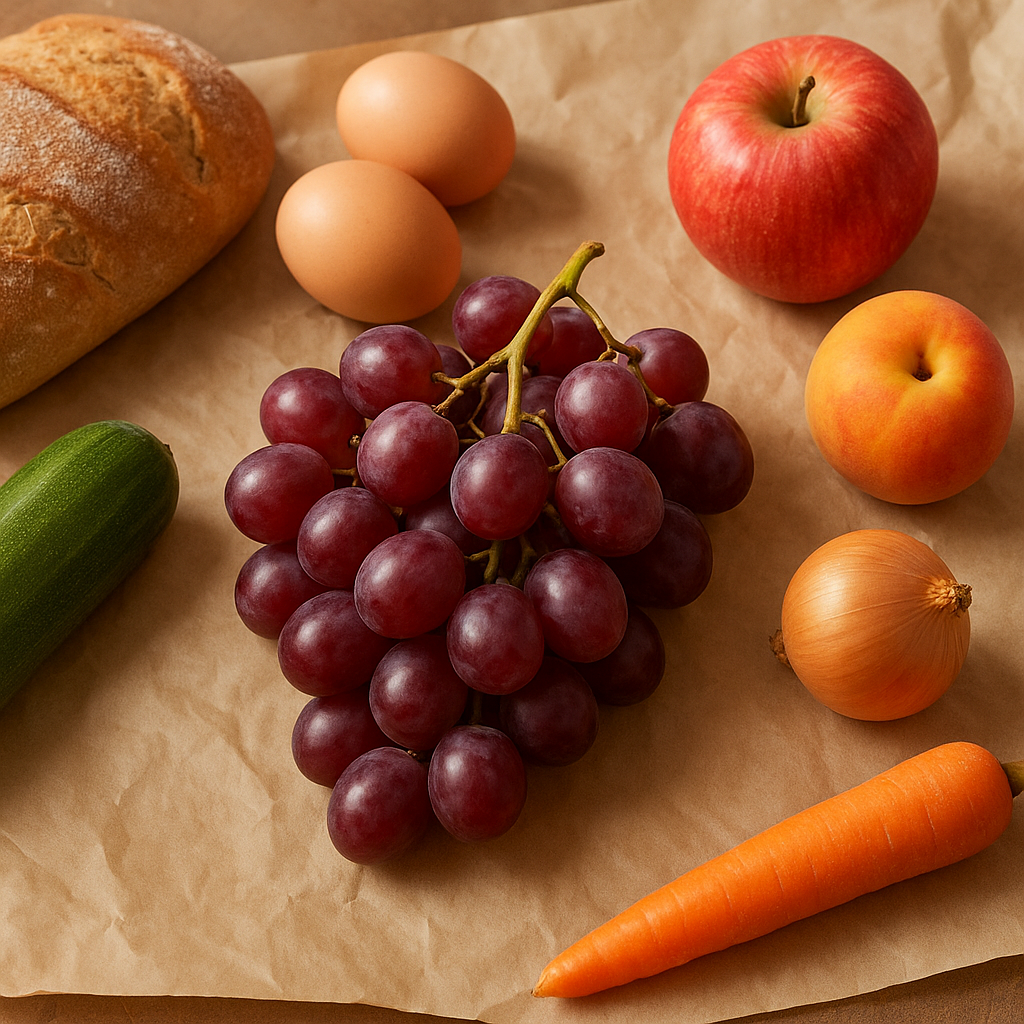
What it is
These are fresh, organic grapes specifically of the Cabernet variety. They are known for their deep color and distinct flavor profile. Unlike seedless varieties, these grapes contain small, edible seeds within each berry. The organic cultivation means they are grown without synthetic pesticides or fertilizers, adhering to specific agricultural standards. They are sold as whole fruit, ready for consumption or use in various culinary applications.
How people cook with it
These grapes can be enjoyed fresh or incorporated into a variety of dishes.
- Snacking
- Juicing
- Baking
- Salads
When using these grapes, you can simply rinse them under cool water and enjoy them as a healthy snack. Their firm texture makes them suitable for adding to fruit salads or green salads, providing a burst of sweetness and a slight chewiness. For baking, they can be incorporated into tarts or muffins, though their seeds should be considered. They can also be pressed to make fresh juice, offering a rich, full-bodied flavor. The seeds can be left in or removed depending on personal preference and the intended use.
How it differs from similar foods
The primary difference from seedless grapes is the presence of seeds. These seeds contribute a slightly different texture and can impart a subtle tannic note, which is characteristic of wine grapes. Their skin is also typically thicker and more robust than that of many seedless table grape varieties.
Who it is for
Home cooks and individuals who appreciate the natural qualities of fruit and enjoy the taste of wine grapes will find these appealing.
How to keep the rest
To keep the remaining grapes fresh, store them unwashed in their original packaging or a breathable container in the refrigerator. Avoid washing them until just before you plan to use them, as excess moisture can accelerate spoilage. They should be kept away from strong odors.