
Grocery
Organic Apple Cider Vinegar
What it is
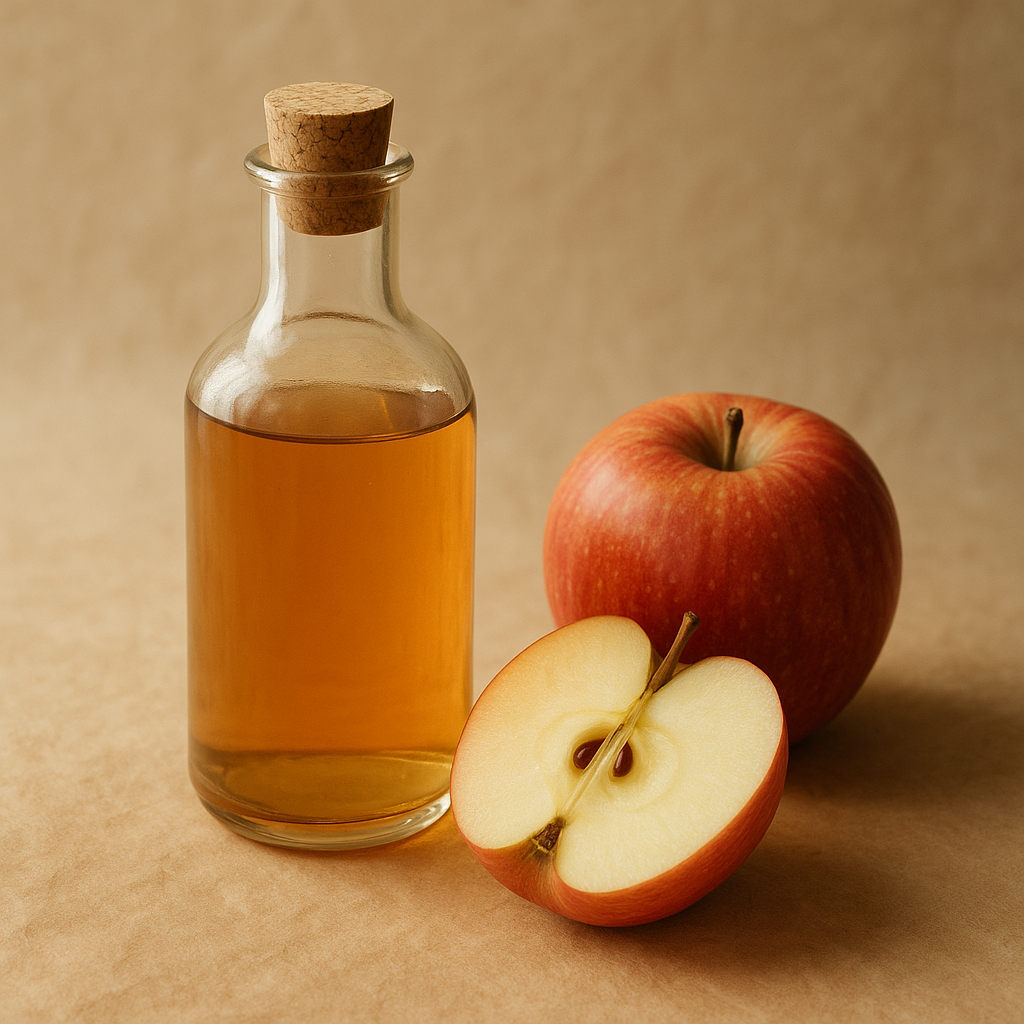
This is a fermented liquid made from pressed organic apples. The fermentation process converts the apple sugars into alcohol, and then into acetic acid. This gives the vinegar its characteristic tart and pungent flavor. It is often unfiltered and unpasteurized, meaning it may contain a cloudy sediment called the 'mother,' which is a collection of beneficial bacteria and enzymes. This vinegar is known for its versatility in both culinary and household applications.
How people cook with it
Apple cider vinegar is a staple in many kitchens, used for a wide range of cooking and preserving tasks.
- Salad dressings
- Marinades
- Pickling
- Sauces
In cooking, apple cider vinegar adds a bright, acidic note to dishes. It is commonly used as a base for salad dressings, where its tanginess balances the richness of oils and other ingredients. It also works well in marinades to tenderize meats and add flavor. For preserving, it is a key component in pickling vegetables, providing both acidity and a subtle fruity undertone. It can be reduced into glazes or added to sauces to cut through richness and enhance other flavors. Its sharp taste can also be mellowed by cooking or by combining it with sweeteners.
How it differs from similar foods
Compared to white distilled vinegar, organic apple cider vinegar has a fruitier aroma and a less harsh, more complex flavor profile. It is less sharp than distilled vinegar and offers a subtle sweetness from its apple origin. Other vinegars, like red wine or balsamic, have distinct flavor profiles that are not as universally adaptable as apple cider vinegar's bright acidity.
Who it is for
Home cooks and bakers often reach for this ingredient to add a distinctive tang to their creations.
How to keep the rest
To maintain its quality, store unopened bottles in a cool, dark pantry. Once opened, it can be kept at room temperature. Refrigeration is not typically necessary, but it can help preserve its potency and prevent cloudiness from developing further if desired. Ensure the cap is tightly sealed after each use.