
Grocery
Organic Apple Cider Vinegar
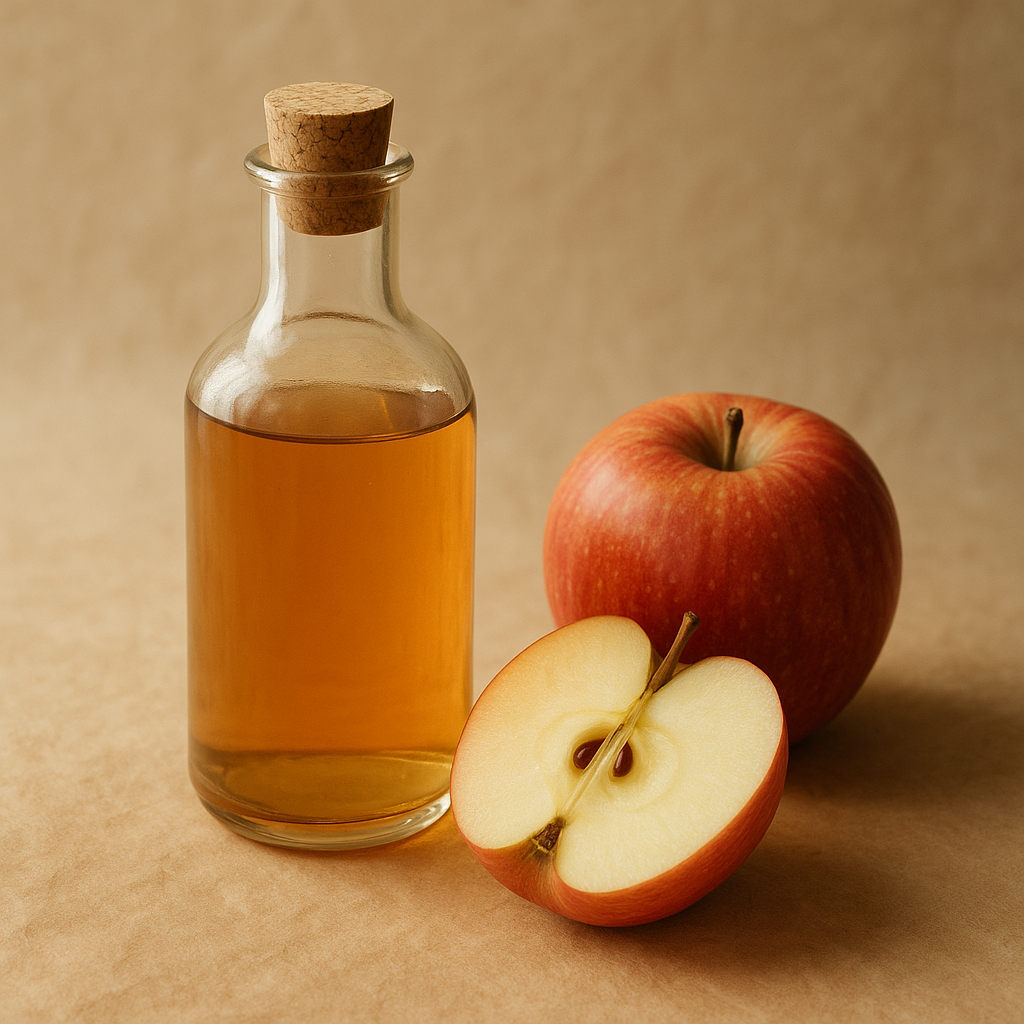
What it is
This is a fermented liquid made from pressed apples. It undergoes a two-step fermentation process. First, yeast converts the apple sugars into alcohol. Then, bacteria convert the alcohol into acetic acid. This acetic acid is what gives vinegar its characteristic sour taste and pungent aroma. It is often sold unfiltered and unpasteurized, retaining a cloudy appearance due to the presence of the 'mother,' a colony of beneficial bacteria and enzymes. This product is certified organic, meaning it is produced without synthetic pesticides or fertilizers.
How people cook with it
Apple cider vinegar is a versatile ingredient found in many kitchens.
- Salad dressings
- Marinades
- Pickling brines
- Sauces
It can be used in a wide range of culinary applications. For dressings, it's often whisked with oil, herbs, and seasonings. In marinades, its acidity helps tenderize meats and poultry. It's also a key component in many pickling recipes, providing a tangy flavor to preserved vegetables. Beyond these, it can be added to sauces for a touch of brightness or used in baking to react with baking soda for leavening. Some people also enjoy it diluted in water as a beverage.
How it differs from similar foods
Compared to white distilled vinegar, apple cider vinegar has a fruitier, milder flavor profile. Its color is also a distinct amber hue, while white vinegar is clear. The presence of the 'mother' in unfiltered versions adds a unique texture and complexity not found in highly refined vinegars.
Who it is for
Home cooks and chefs who appreciate natural ingredients and a balanced flavor profile often choose this vinegar.
How to keep the rest
To maintain its quality, store the unopened bottle in a cool, dark place. Once opened, it can be kept at room temperature. Refrigeration is not typically necessary but can help preserve its potency and prevent cloudiness from increasing.