
Grocery
Organic Apple Cider Vinegar
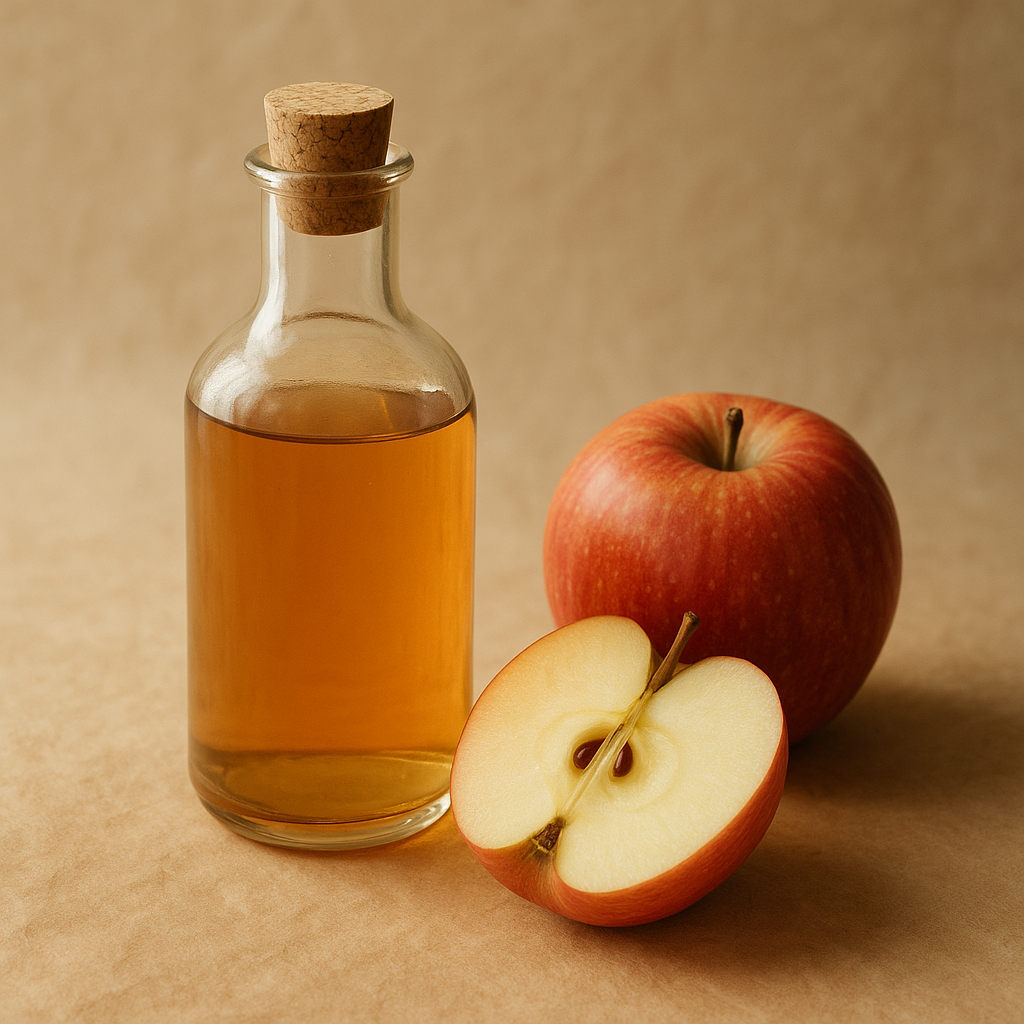
What it is
This is a fermented liquid made from pressed apples. It undergoes a two-step fermentation process. First, yeast converts the apple sugars into alcohol. Then, bacteria convert the alcohol into acetic acid, which gives vinegar its characteristic sour taste and pungent aroma. This organic version is made without synthetic pesticides or fertilizers, adhering to organic farming standards. It is a versatile pantry staple used in various culinary applications and beyond.
How people cook with it
Apple cider vinegar is a common ingredient in dressings, marinades, and pickling brines. It can also be used to tenderize meats and add a bright flavor to sauces.
- Salad dressings
- Marinades
- Pickling
- Sauces
In cooking, apple cider vinegar adds a tangy counterpoint to rich flavors. It can be whisked into vinaigrettes with olive oil and herbs for a fresh salad dressing. For marinades, it helps to break down proteins in meat, making it more tender and flavorful. It's also a key component in many homemade barbecue sauces and glazes, providing a zesty kick. In baking, a small amount can react with baking soda to help leaven goods. It is also used in preserving vegetables through pickling.
How it differs from similar foods
Compared to white vinegar, apple cider vinegar has a fruitier aroma and a less harsh acidity. Its flavor is more nuanced, making it suitable for applications where a delicate balance of sweet and sour is desired. Distilled white vinegar is typically sharper and more pungent.
Who it is for
Home cooks and chefs who appreciate a versatile ingredient for adding brightness and depth to their dishes.
How to keep the rest
To maintain its quality, store unopened apple cider vinegar in a cool, dark place. Once opened, it can be kept at room temperature. Refrigeration is not necessary but can help preserve its flavor and aroma for longer periods. Ensure the cap is tightly sealed after each use.