
Grocery
Fresh Local Oranges
What it is
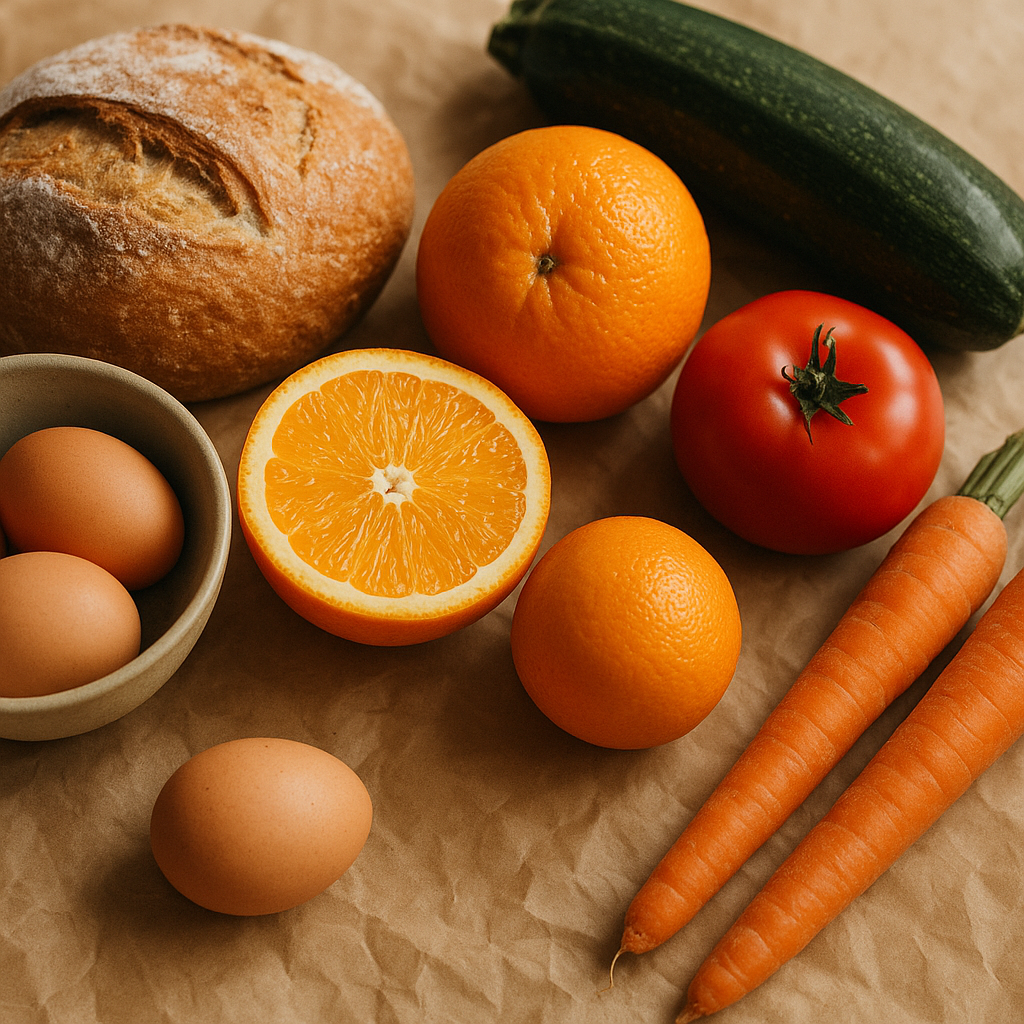
These are fresh, whole oranges sourced from local growers. They are typically round with a textured rind that can range in color from bright orange to a deeper hue. Inside, the flesh is segmented and juicy, offering a sweet and slightly tart flavor profile. The specific variety may vary depending on the season and local availability, but they are generally chosen for their good eating quality and vibrant citrus aroma.
How people cook with it
Oranges are a versatile fruit, enjoyed in many ways. They can be eaten on their own or incorporated into various dishes.
- Juiced for breakfast
- Added to salads
- Zested for baking
- Eaten as a snack
To enjoy a fresh orange, start by washing the exterior. You can peel it by hand, using your fingernails to lift the rind, or by cutting off the top and bottom and then slicing away the peel in strips. Once peeled, the orange can be eaten in segments. For juicing, a citrus juicer works best to extract the liquid from the flesh. The zest from the rind can be finely grated and used to add citrus flavor to baked goods, marinades, or sauces. The segments can also be a refreshing addition to fruit salads or served alongside savory dishes.
How it differs from similar foods
Local oranges may differ from those shipped long distances in terms of freshness and flavor intensity. They often have a brighter, more pronounced citrus aroma and a juicier texture. Their skin might also be thinner and more delicate, reflecting a shorter transit time from the grove to the consumer.
Who it is for
Anyone looking for a refreshing and naturally sweet fruit.
How to keep the rest
To keep the rest of your oranges fresh, store them in a cool, dry place, such as a fruit bowl on the counter or in the crisper drawer of your refrigerator. Avoid storing them in sealed plastic bags, as this can trap moisture and lead to spoilage. They will typically last for about a week when stored properly.