
Grocery
100% Orange Juice from Concentrate
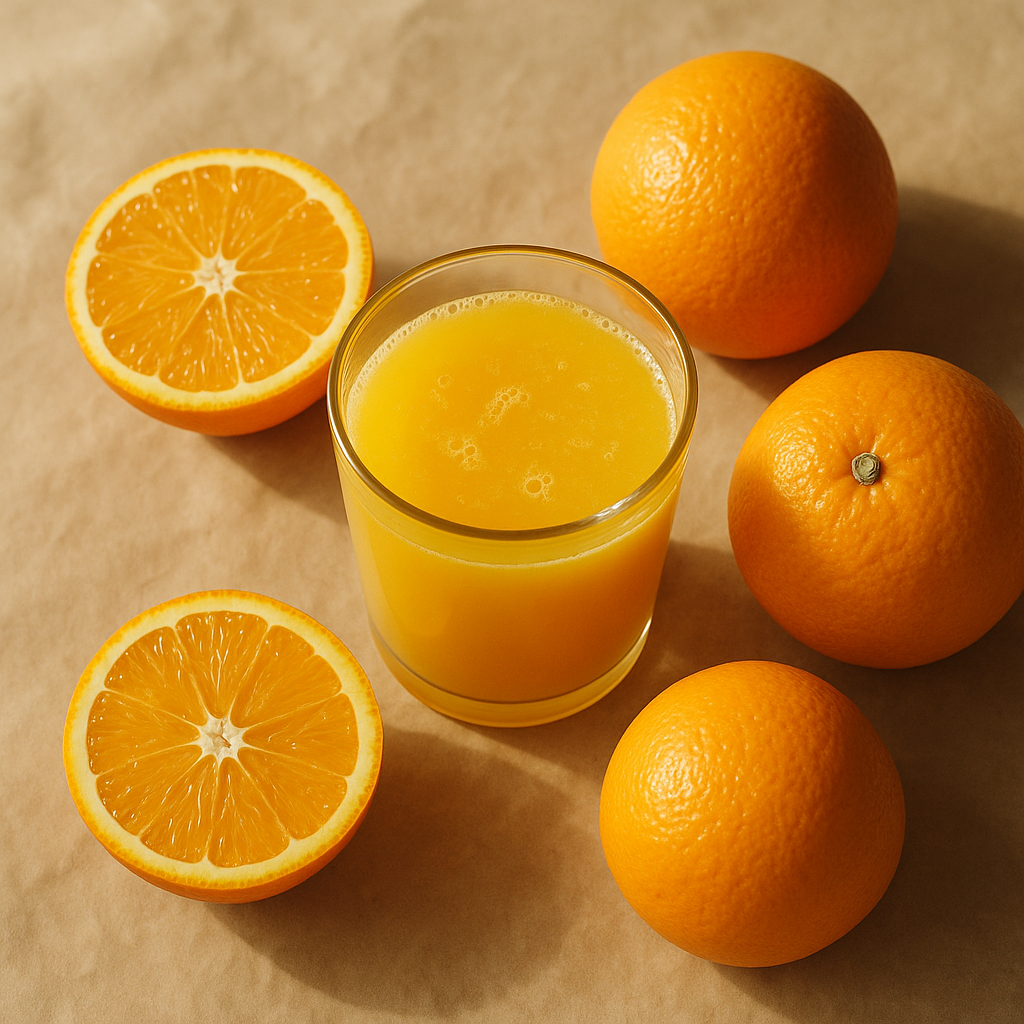
What it is
This is a beverage made from oranges that have been processed. The water content is removed to create a concentrate, which is then rehydrated with water to produce the final juice. It is a common way to package and distribute orange juice, making it shelf-stable and easier to transport. The product is typically pasteurized to ensure safety and extend its shelf life.
How people cook with it
Orange juice from concentrate is a popular beverage enjoyed on its own or as a mixer.
- Breakfast drink
- Smoothie base
- Cocktail ingredient
- Marinade component
To prepare, simply combine the concentrate with the recommended amount of water, usually indicated on the packaging. Stir or shake well until fully mixed. It can be served chilled over ice or used in various culinary applications. It's often added to baked goods for moisture and flavor, or used in glazes for meats and poultry. The rehydrated juice can also be frozen into popsicles or used as a base for sauces and dressings.
How it differs from similar foods
Unlike not-from-concentrate orange juice, this product undergoes a dehydration process. This concentrate form allows for more efficient storage and shipping. When rehydrated, it aims to replicate the taste and consistency of freshly squeezed juice, though some subtle differences in flavor profile may be perceived by consumers.
Who it is for
This is a staple for many households looking for a convenient and familiar citrus beverage.
How to keep the rest
After opening and rehydrating, store any remaining juice in a tightly sealed container in the refrigerator. It is best consumed within a few days to maintain optimal freshness and flavor. Unopened concentrate can typically be stored at room temperature until its expiration date.