
Green Valley · 3 lbs
Green Valley Yellow Onions
What it is
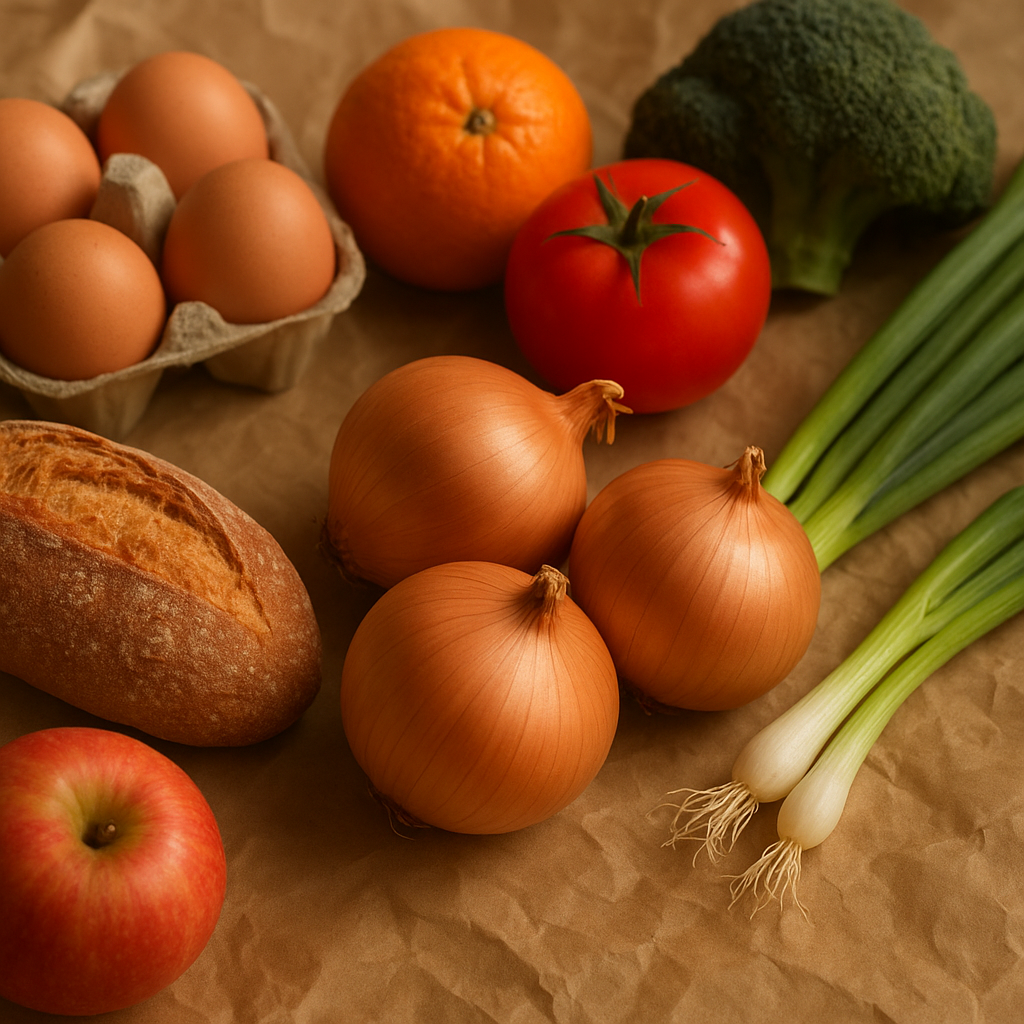
These are fresh yellow onions, a common bulb vegetable. They are known for their versatile flavor profile, offering a balance of sweetness and pungency that intensifies when cooked. The outer layers are typically papery and brown, protecting the firm, layered flesh inside. They are a staple ingredient in kitchens around the world, prized for their ability to enhance a wide range of dishes.
How people cook with it
Yellow onions are a fundamental ingredient for building flavor in many savory preparations.
- Aromatic base for soups
- Caramelized for toppings
- Chopped into stews
- Roasted alongside meats
Begin by removing the papery outer skin and trimming the root and stem ends. You can then slice, dice, or chop the onion according to your recipe's needs. For a foundational flavor, sauté diced onions in oil or butter until softened and translucent. For deeper, sweeter notes, cook them slowly over low heat until they turn golden brown and caramelized. They can also be added whole or in large pieces to broths and roasts, imparting their essence as they cook.
How it differs from similar foods
Compared to red onions, yellow onions are generally less sharp when raw and develop a more pronounced sweetness when cooked. White onions tend to have a sharper, more pungent bite that mellows less dramatically with heat.
Who it is for
Home cooks and professional chefs alike rely on yellow onions for their foundational culinary contributions.
How to keep the rest
Store any unused onions in a cool, dry, and well-ventilated place away from direct sunlight. Avoid storing them in plastic bags, as this can trap moisture and lead to spoilage. They should also be kept separate from potatoes, as the gases they release can cause each other to rot faster.