
Bertolli, Deoleo Usa Inc.
Bertolli Olive Oil
What it is
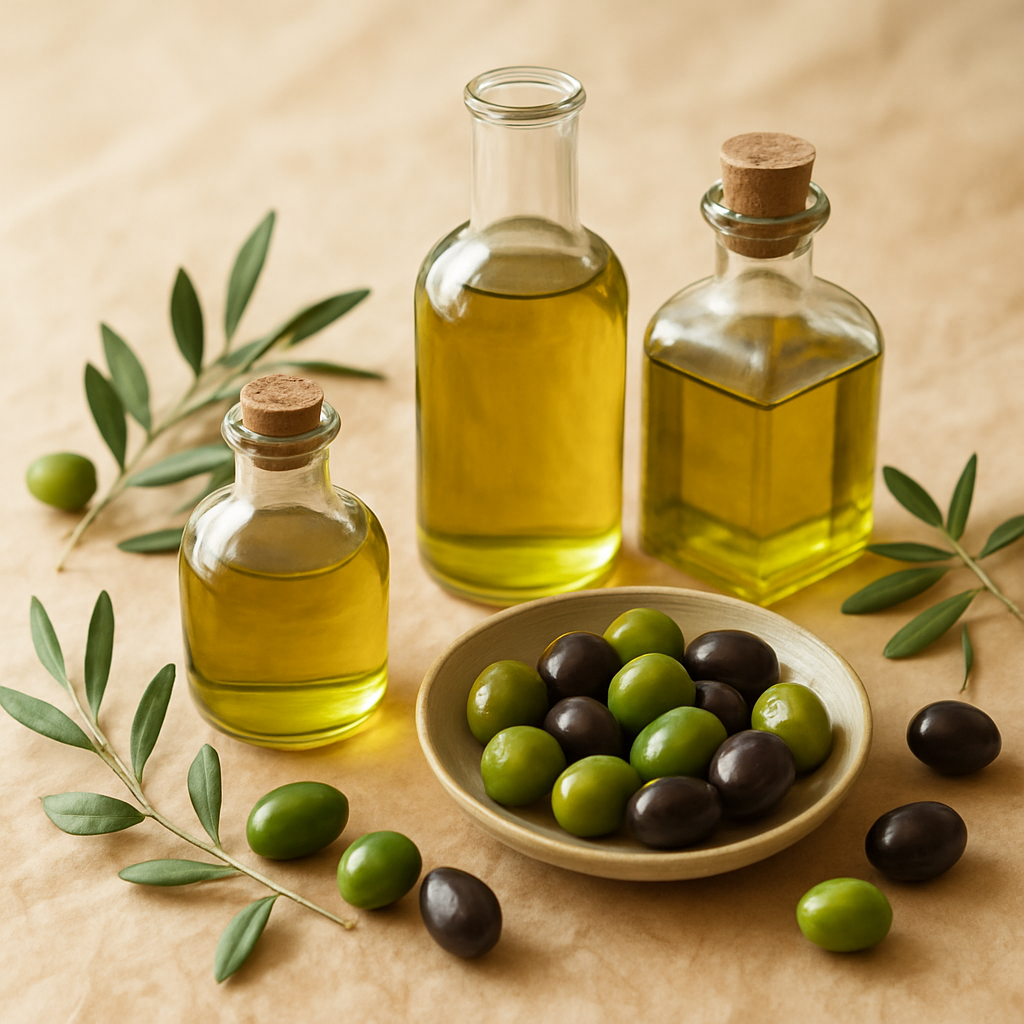
This is a bottle of olive oil, a liquid fat extracted from olives. It is commonly used in cooking and as a dressing. Olive oil is a staple in many kitchens, valued for its flavor and versatility. It is derived from the fruit of the olive tree, a traditional crop of the Mediterranean region. The oil is produced by pressing whole olives. Different types of olive oil exist, varying in flavor and processing methods.
How people cook with it
Olive oil is a fundamental ingredient for many culinary preparations. It can be used for sautéing, baking, or simply drizzling over finished dishes.
- For sautéing vegetables
- As a base for salad dressings
- For baking cakes and breads
- Drizzled over grilled meats
When cooking, olive oil can be heated to moderate temperatures for sautéing or frying. Its smoke point is a consideration for high-heat cooking. It is also excellent when used uncooked, such as in marinades or to emulsify sauces. For baking, it can sometimes replace butter or other fats, contributing moisture and a subtle flavor to the final product. Experimenting with its use in different dishes can reveal its full potential.
How it differs from similar foods
This olive oil differs from other vegetable oils due to its distinct flavor profile, which can range from mild to robust depending on the olives and processing. It also has a different fatty acid composition compared to seed oils. Its characteristic aroma and taste are often sought after in Mediterranean-inspired cuisine.
Who it is for
Home cooks and professional chefs alike utilize olive oil for its culinary benefits.
How to keep the rest
To maintain freshness, store the bottle in a cool, dark place away from direct sunlight and heat. Ensure the cap is tightly sealed after each use. Proper storage helps preserve the oil's flavor and quality over time. Avoid refrigerating, as this can cause the oil to become cloudy.